The hidden risk of over-familiarity
Editor’s note: Jana Rosewarne is a research consulting director at KJT Group in Rochester, New York. She has eight years of experience in mixed methods research, with a focus on healthcare. She holds a doctorate in social psychology from the University of Massachusetts Amherst, where her research focused on consumer behavior and close relationships. Find Rosewarne on LinkedIn.
Deep client knowledge is one of the great advantages of a long-standing research partnership. It can also become a blind spot when accumulated understanding masquerades as expertise, serving the client we remember more than who the client is becoming.
For me, this lesson didn’t begin at work. It began closer to home.
A new coat of paint
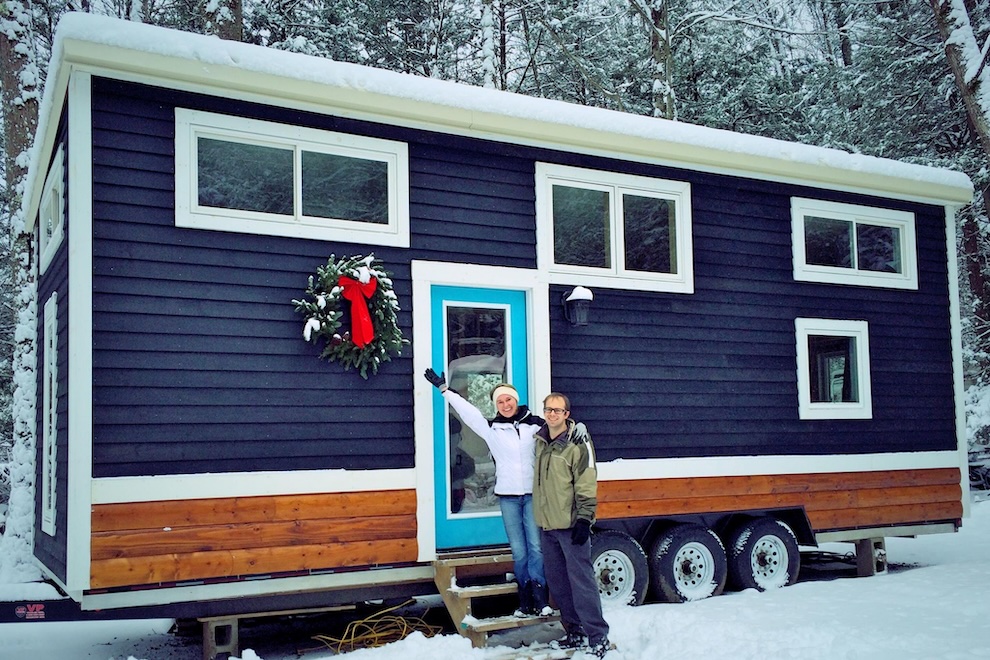
Years ago, my husband and I built a tiny house. It took almost two years to build, and we lived in it for three before selling it. Now it’s a farm stand where people come for eggs, baked goods, vegetables and maple syrup.
I still visit sometimes, and I notice what’s changed immediately.
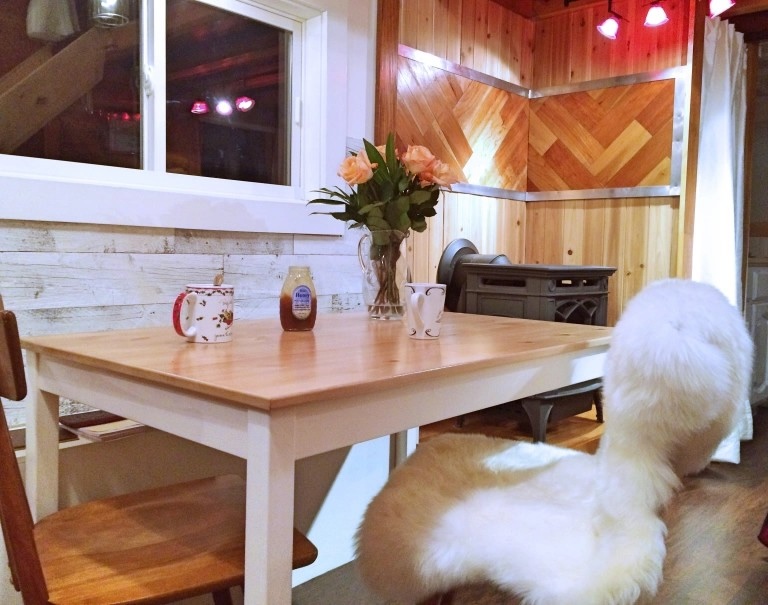
The teal door has been painted lime green. Boards we stained by hand were whitewashed over. The folding stairs we designed are gone, replaced with shelving. Some of the changes still catch in my chest, not because they’re wrong, exactly, but because they’re no longer mine to decide.
I still see the details I obsessed over and the ones that are now missing. The house is recognizable as made by us but changed enough to remind me that we are visitors now.
Seeing data differently
As researchers, we carry the history of a business through data patterns and accumulated understanding. The tracking study continues, and the team still reaches for the same language, templates and questions to guide the next step. But a client who once needed reassurance through copious data may now need a sharper story, meaning familiar reporting needs interpretation that unsettles the old frame.
The risk is that the work keeps coming in, the relationship feels healthy and the picture of the client inside the team begins to lag behind the client’s actual world. By that point, the next study may go to the partner who recognizes the account has changed before the request for proposal (RFP) fully says so.
A useful question for long-standing accounts is what the client may be outgrowing before anyone has named it directly. By the fifth or sixth study, a business question can arrive wearing the same coat of paint as the last one, even when the account is being lived in differently.
Coaching for outcomes: How we see with new eyes
One of the fastest ways to freeze account memory is when senior people mainly coach for correctness. The edits may be small: a sentence rewritten in the familiar account voice, a recommendation softened because “they won’t go for that.” Over time, the team learns how to satisfy the account’s inherited shape without having to think as hard about what the business now needs.
If newer researchers inherit process management and incremental communication tips without learning the way of thinking underneath, collective memory becomes a more efficient way of repeating the past.
Coaching for outcomes gives account memory somewhere to move by mentoring someone toward the outcome the client is trying to reach. Others learn how to see the client, and eventually how to help the client see themselves.
Sometimes our strongest work is giving someone else enough context and authority to see the account beyond the version we helped author, trusting that new eyes may be the first to notice when the door has changed color.
History without captivity: Creating strong research partnerships
The circle around the tiny house has grown bigger now. It feeds people. It gives the community a place to visit and dream a little. Letting go, I’m learning, means finding freedom in handing the paintbrush to someone else and letting them choose the palette. Even still, I smile when I visit and see the tiger-striped woodgrain beneath the whitewash.
Leaving the tiny house was not as simple as letting go. Something we had built and lived in needed someone who could keep it well. I knew it was time when what mattered already lived within me, and what remained was ready to be entrusted to good hands.
The strongest research partners carry history without captivity. Any relationship built to last has to keep renewing beyond our time. We keep earning trust by returning with enough humility to re-see what has been placed in our care, and by passing on the chance for someone else to imagine it differently.
When we have built something, there may come a time when we no longer need “the house” to remain ours. We have what it built in us.