
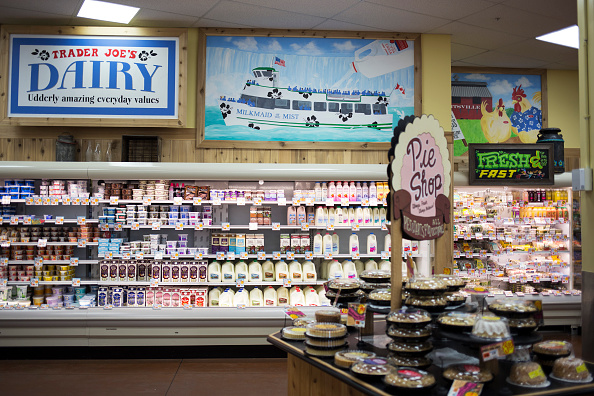
Editor’s note: Paula Rosenblum is co-founder and managing partner at RSR Research, Miami. This is an edited version of a post that originally appeared here under the title, “Trader Joes and the intangible in-store grocery experience.
In RSR’s most recent Store benchmark report, The Retail Store in 2016: Poised For Transformation, retailers highlighted the numerous issues they have in driving consumers back into their stores.
The elephant in the room is the shift from consumer’s interest in one-stop shopping in big box stores with broad assortments, to a preference for much more curated, specific assortments. There is also a prevailing sentiment that empowering employees with technology can improve and enhance the in-store experience.
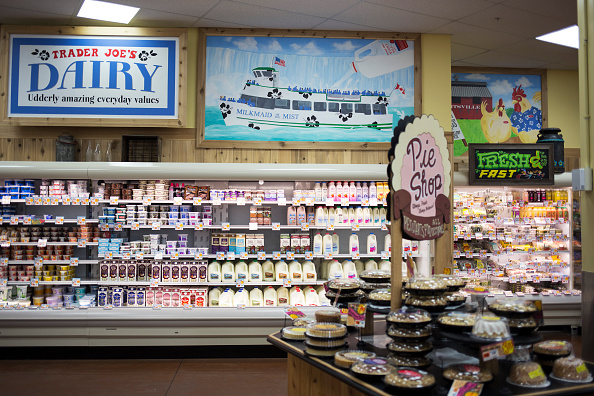
You could argue that Trader Joe’s is designed to keep customers away. Certainly, that’s true of the one down in South Miami. The parking lot is far too small and narrow for the endless volume of customers, out of stocks are rampant, the assortment changes irrationally, the design of their check-out stands is befuddling on a good day and the technology used to summon associates to the front of the store is a clanging bell. But the parking lot is always over-full, the check-out lines robust and business is booming. Why?
I’m not sure I could take a steady diet of the Trader Joe’s experience, but on this finally-glorious South Florida afternoon, I had a really good time. Yes, the wait in the parking lot was long, but my convertible’s top was down, Adele was blasting from the stereo speakers and my spouse and I rocked to the music (“Send my love” is one of the few Adele tunes you can dance to) and the employee gathering up shopping carts smiled and danced along with us.
We finally got a parking space, went in the store and experienced the usual crowd, available snacks and found some of our favorite frozen foods (some were not found). Then it was on to the packed checkout line.
More than a few people make their pilgrimage to Trader Joe’s with various kinds of coolers to keep those frozen products cold on their long drives home. I have been one of those people before and that day I ended up in line behind one. These folks had brought their insulated bags into the store so the check-out clerk could pack them right inside. I don’t know where they’d traveled from, but they bought a ton of food.
One thing I will say for sure – Trader Joe’s employees are friendly and accommodating. The check-out clerk very efficiently put their enormous order into the supplied bags, and the shoppers responded by saying something like “this is clearly not your first rodeo.”
Behind them, and in front of me, was a woman with a smaller order, who apparently lives right nearby. We chatted about the strange check-out stand design which has no conveyor at all, and requires the clerk to do all the work, and she told me how she times her visits to try to minimize the out of stocks she inevitably finds. We had a pleasant enough chat, eventually checked out and left. The one (happy) nod to technology was Apple Pay. Honestly, as a shopper, I find EMV so irritating and slow, I’m much happier to just tap the phone when the order is complete and leave the store.
On this beautiful day, the ride home was equally delightful.
This led me to ask myself more questions. With three Publix within a mile or so, and a Super Target just up the road, what kept this woman coming back to Trader Joes? Publix is consistently rated one of America’s favorite grocers, but this woman had things she could only get at Trader Joe’s. And she wasn’t willing to go without them for long. Why?
Here’s what I am left with. This curated assortment thing is not just generational. Most of the people I saw or talked to weren’t Millennials. Their ages spanned from old to young. Maybe they were price-sensitive, and maybe they weren’t. But they were happy to put up with a lot to get the stuff they wanted. That’s how I felt too.
The in-store experience really did rely on that as well as friendly employees. Without those two things, it would have felt like my Aldi experience (oddly enough, the same parent company): A “treasure hunt without the treasure,” product-wise, annoyingly long check-out lines and irritable employees who do far less to package up your purchase than you do. They sit. You work. The Aldi store is about a half mile from my house. I went once and never looked back.
Trader Joe’s is something of a singularity. For most other retailers, especially those not selling perishables, the work to keep customers coming back is harder. Retailers are clearly struggling to find a new formula that allows them to leverage their real estate assets and improve employee responsiveness. If you want to read more about how those retailers see their world, be sure to give our report a read. You can find it here (Editor's note: Link requires you to log in or register on RSR’s Web site.).