
Editor’s note: Bryan Pearson is president, LoyaltyOne at Alliance Data, Canada. This is an edited version of a post that originally appeared here under the title, “Setting the stage for food theater: A shopping list of 7 needs.”
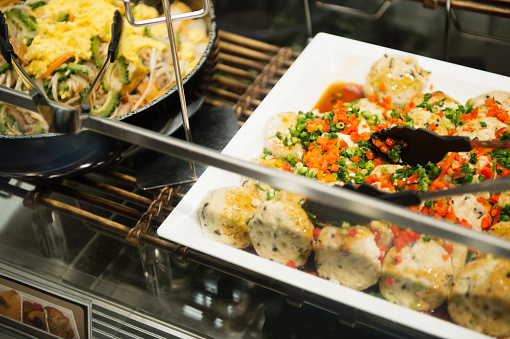
She used to come to the supermarket for diapers and bananas. Now she comes for duck confit, live bands and a break from it all.
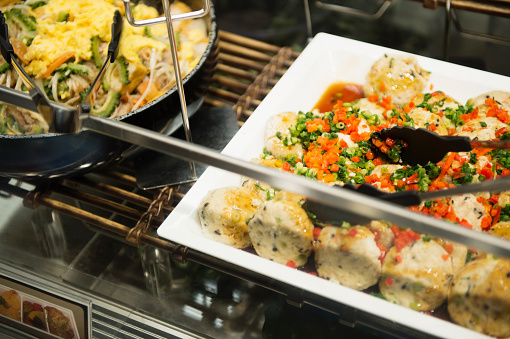
Since 2008, the “grocerant” market has grown 30 percent, according to The NPD Group. This translated to 2.4 billion food service visits in 2015 (most recent year for figures), resulting in $10 billion of spending. And as the market grows, so do the offerings.
Dine-in features at grocery stores have gained enough credibility that the industry’s leading trade groups are offering grocerant education. The trade magazine Progressive Grocer’s held the 2017 Grocerant Summit in September. And the Food Marketing Institute’s Energy & Store Development Conference, also held in September, featured a session called “Becoming a Grocerant: Winning the Customer Through Comprehensive Food Service Design.”
Design is just one element of grocerant success, as any restaurateur knows. Based on research into what top retailers are doing, from Whole Foods to H-E-B, here’s a grocery list of what it takes to pull together a supermarket restaurant that will steal the show.
- Manage the hot spot: Space for the kitchen will likely be tight, so efficiency should be baked into kitchen planning. This begins with assessing the menu and then building necessary work stations around the offerings. If there are a lot of grilled options, for example, a grilling station would be essential. Same if the menu is heavy on salads or pastas. The bonus of this kind of planning is it requires discipline to focus on what the staff is best at preparing. The good news: A supermarket restaurant does not require a lot of storage space, since the ingredients are all stocked in the aisles.
- Be label-to-table: An in-store restaurant is among the most cost-effective places to get people to try the brands stocked on the shelves, especially private-label brands. That being said, merchants should be wary of not overwhelming guests with a litany of brand names on the menu. Noteworthy ingredients, such as spice blends, gourmet marinades and local items, should be specified. A mix of locally sourced ingredients – from area farms to neighborhood startups – will add intrigue to the menu while ensuring a sense of community.
- Be buzz-worthy: Restaurants, even supermarket restaurants, need features beyond convenience to attract customers. This includes buzz like the kind that grocery chain Hy-Vee got when announcing plans to add menu items from Wahlburgers restaurants, co-founded by actor Mark Wahlberg and his brothers. Hy-Vee CEO Randy Edeker said the collaboration represents “a bold step to deliberately evolve our business to meet the change in our customers’ lifestyles and spending habits.”
- Dine in but carry out: Restaurants can make for bigger baskets. If the dining guest is dying to bring home a bottle of that wine she just drank with her salmon, or another slice of that salmon itself, a store runner could bring it to her. With a store app, the guest could order many of the ingredients (and select prepared entrées) on the menu, which store staff can have ready for pickup by the time the guest pays her tab.
- Don’t fear the niche: A supermarket restaurant does not have to be all things to all people. It should reflect the immediate market, which can be sharply defined in both urban and rural environments. At Mariano’s supermarket in the small town of Frankfort, Ill. (and other stores near Chicago), Todds BBQ offers in-store smoked meats that draw crowds, served with a variety of sauces that can be purchased in the store. And a Kroger store planned for Kentucky will include a restaurant, called Kitchen 1883, that will specialize in comfort food, to reflect “the community and the foods they love.”
- Location, location, food station: Shoppers who dine at the grocery store don’t need to be reminded of where they are. Overhead announcements and typical aisle noise should be muffled by walls or shielding. In-store promotions should remain in-store. A separate outdoor entryway is ideal. Texas chain H-E-B, which operates individual restaurants at several locations, provides indoor and patio seating at its Café Mueller Restaurant in Austin. Among the attractions on the patio is live music – not your typical grocery fare.
- Hire top chefs: Supermarkets should look at celebrity chefs, whether they are local or nationally known personalities. The key is identifying a chef whose personality fits the overall depth of the marketing strategy. The experiential goals of a hyper-local or statewide chain might require the familiarity of someone more local, while a well-known celebrity chef might better support a broader, experience-bending strategy. Through exclusive entrées, ingredients and even preparation techniques, the brand and chef are more likely to maintain relevance. Kroger Co., which announced plans to invest $2.5 million in a culinary training and education center, could for example develop its own in-house techniques or recipes.
Lastly, there should always be a takeout plan, or exit strategy. The menu may only hold up for a year, or the chef may move on to other pastures. A quarterly analysis of operations, with frank discussions among all parties, should encourage creativity and alert change. If it’s a good team, the shifts should work out – a second act is only as good as its talent.