Q&A with Roben Allong
Editor’s note: Nancy Cox is the founder/principal at Research Story Consulting, LLC, Kansas City, Mo., with over 30 years of experience in effective writing and research methodologies. She holds a Master of Liberal Arts in business admin and management, and a Bachelor of Science in journalism. Find Cox on LinkedIn.
In this ongoing series with research thought leaders, discover how the research community plays and how that plays out in their work life. In the Venn diagram of work and play, what happens when they overlap?
Roben Allong is the CEO of Lightbeam Communications and consulting staff member at Think Global Qualitative. She holds a Bachelor of Science from Cornell University and is a graduate of the Goldman Sachs 10,000 Small Businesses Program. Allong is a past president of QRCA and was recognized by the Insights Association with a Laureate Award. She is the joyful patron of many NYC museums.
Hello Roben Allong, CEO of Lightbeam Communications
What is the play in your life?
I play by finding joy through works of art. How did I get into this? My first job out of college, I traveled quite a bit. My boss insisted we always make time to go to a local museum wherever we were. If we were in Norway, we were going to visit the famous “The Scream” by Edvard Munch. I’ve visited museums, galleries, exhibitions and antiquities since the mid-1990s in places as far away as France, Monaco, the Czech Republic, South Africa, Spain, Italy, Sweden, Denmark, Ireland, UK, Finland, Greece and a host of others.
He framed it as play. Just go to relax and recharge! Go look at art! Go look at sculpture! Enjoy life! He was one of those people who would not work without enjoyment. I saw amazing things that I would never have seen without his enthusiasm. But I never truly understood the joy, the play in looking at art until we visited the Picasso Museum in the Marais district in Paris.
Of course, I knew Picasso from my college art history days as one of the originators of Cubism. But I wondered what was interesting about all Picasso, all the time. Then I saw the exhibit — not only his artwork but his inspiration. I considered myself a non-art person at this time. I never really gave much thought to Picasso’s inspiration. I thought the paintings, sculptures and ceramics just came out of his head. The museum showed me point for point, here’s the painting, here’s the inspiration. He was inspired by all these ceremonial garments and little African sculptures from Benin, Mali and many other African countries. What?! Wow!
Experiencing that unlocked so many things. One, OK, I now know more about Picasso and how he approached creating art. Two, I learned more about art history and how artists like Picasso draw inspiration. The third thing, by no means lower in priority, is the power and impact that African art had on him and other painters at that time. Finally, this experience unlocked a key to discovery and joy — a mode of play that I do practically every weekend here in NYC and make sure I include that play in my travels, business and otherwise.
Why does this mean so much to me? I grew up in a village of maybe 100 people. There were no museums. No department stores. No shops, aside from a tiny local bodega or grocery. A Caribbean country village where we grew coffee beans and cocoa trees. Today, living in New York City, I have access to this huge playground. A lot of people may not see it that way if they grew up with museum field trips where some kids are inspired and other kids are bored out of their minds by a bunch of old stuff. If you never had it, when you do get access, it’s a bonanza.
How has your play influenced your research work?
My play sparked my curiosity to uncover how people are inspired. How do I talk with people, connect with them in a deeper way? In a way that makes them feel seen. How I felt seen when I saw Picasso as a person who loved and was inspired by African art.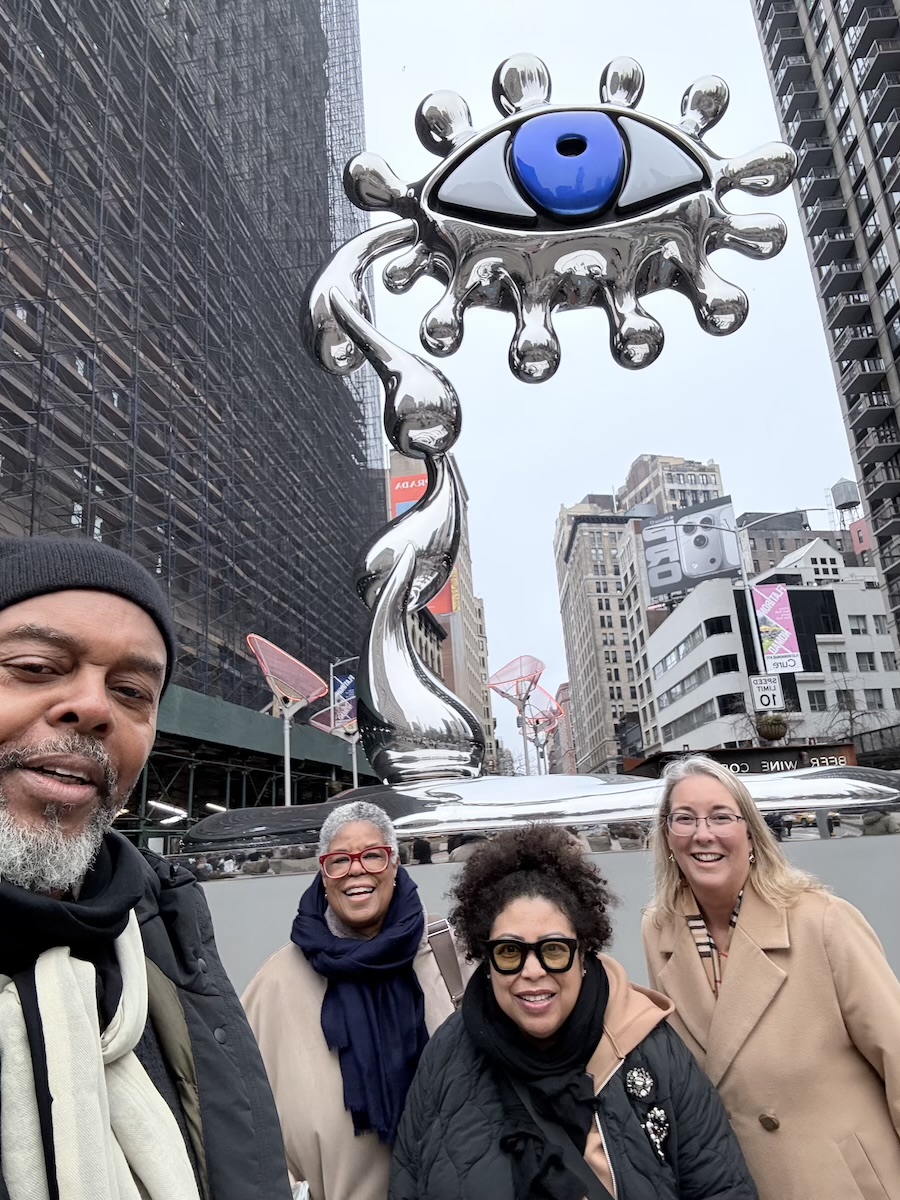
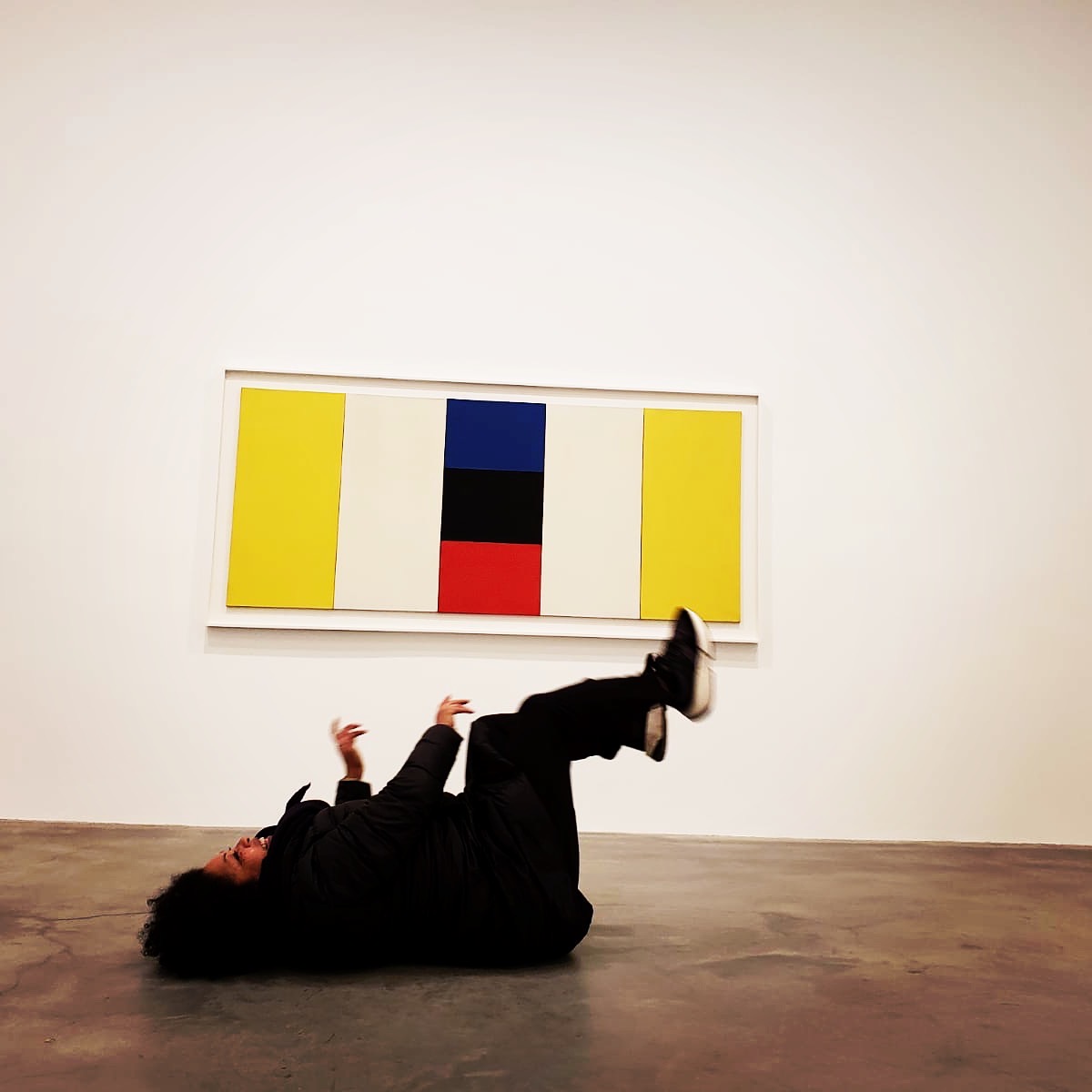
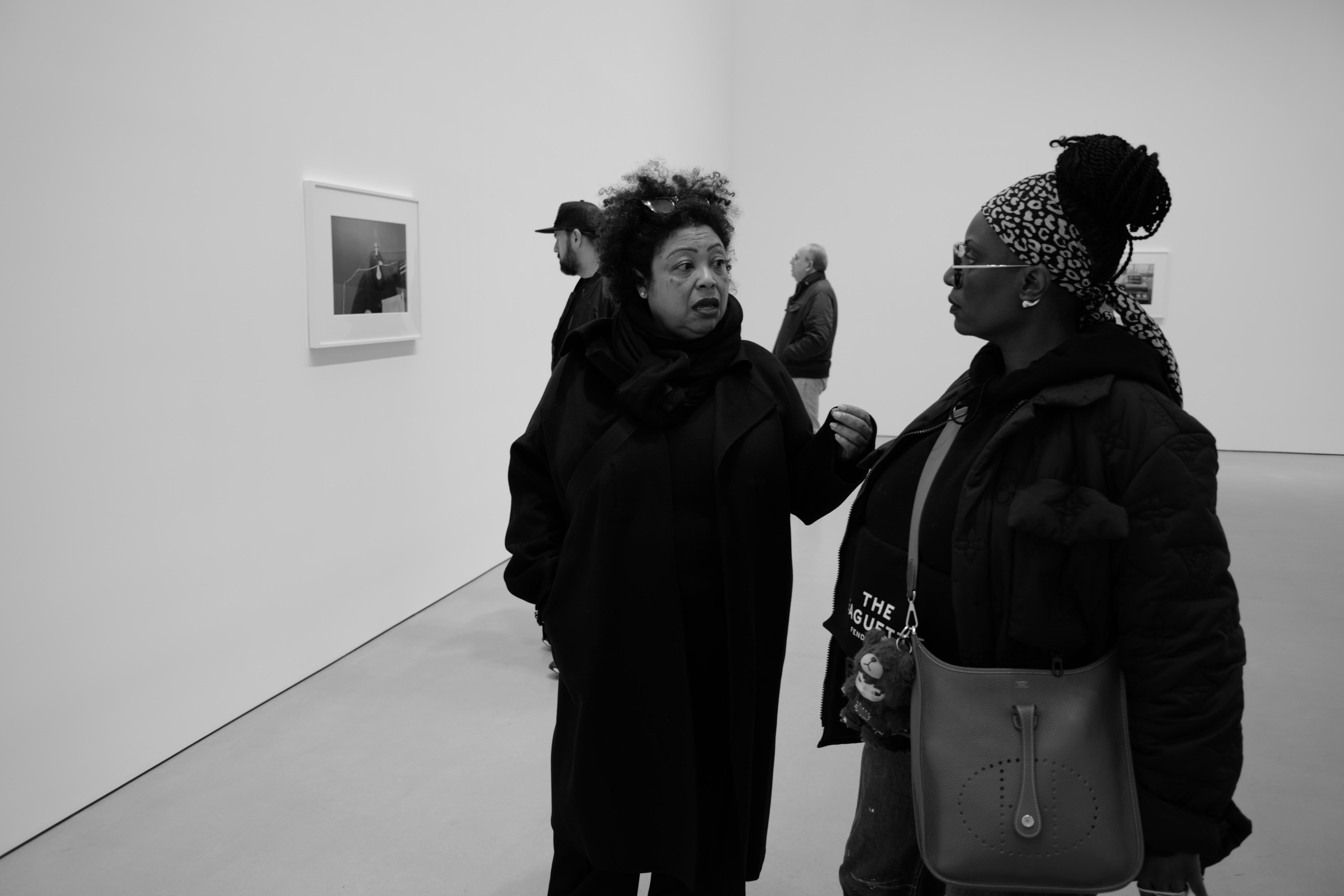
I started the whole idea of play with questions by including friends when I go to museums. I have the “jumbo” memberships to museums so I can invite everybody! It’s not a quiet, solitary museum visit; it’s lively. I ask my friends to pick out a favorite piece or talk about what the artist was trying to say or ask what they get out of the art. There was an Amy Sherald exhibit at a New York City gallery where I went multiple times with different friends. Amy Sherald, relatively unknown at the time of the exhibit, was later commissioned by First Lady Michelle Obama to paint her now-famous portrait hanging in the Washington, D.C., National Portrait Gallery. Each time I went to the gallery, I got something different. That’s the same feeling I get when I’m doing interviews, immersions or focus groups; you get something different every time.
I moderate more as an exploration rather than let’s find the one answer, the one key insight. That exploration is where I believe you find the richest knowledge, when you learn something new. With your friends, you learn something new that is kindling for building relationships. In the industry, we call these insights – the kindling for building and maintaining relationships – between your client and their consumers.
Messaging research in particular, I find, is quite similar to looking at art. I ask the same playful question, “Is this sparking any joy for you?” to my friends looking at art and to my research study participants looking at messaging. This joy question works better for me than the standard, “How does this make you feel?” Joy is an emotion that everyone relates to, that everyone understands whether they are feeling joy or not. This sets up a conversation that makes you think a little bit deeper and provokes more authentic, thoughtful answers.
An example is a recent focus group I moderated on weight loss medications. I needed to solicit reactions to disparate message executions: one focused on religious aspects, one dealt with status – how people saw you – and another took a more “pharmaceutical” benefits approach. For each message, instead of asking the usual, “How does this make you feel?” I asked, “Does this message spark joy? And if it doesn’t, what does it spark?” This was my way of introducing play even into the topic of weight loss. Play has a way of disarming and getting a group of people who don’t really know each other to honestly react, consider and share their different emotions.
What would you tell readers who want to know more about your area of play?
How do you play in a museum or an art gallery? First, it isn’t tied to always being indoors in a museum. I am super lucky living in New York City. But if you live in or visit any city, town or village there is also outdoor art – sculpture, floral and landscape design, murals, fashion, graffiti – that often include nearby seating. Pull up with a sandwich, a slice of pizza or a cup of coffee. Just sitting still brings a lot of opportunity for relaxing, introspection or, to use the buzzword, self-care. I never get tired of looking at a sculpture, because I never get tired of looking at people, who I consider living sculptures. And you don’t have to convince friends to go to a museum, just meet them by a piece of art that a city, local township or business owner has commissioned.
Second, this is for joy. It doesn’t have to be connected with learning. No, no, no! There’s joy in looking just for pleasure. You don’t even have to like the art! What I like about all art is the idea that a person created or designed it. Creation is, for me, a unique and special form of expression, and I’m so interested in how people are expressing themselves.
Third, when you find yourself in an art-filled environment, try looking at the art without first reading the little exhibit cards that are located at the side of the artwork. The cards inform and point you to what you should look at, which you then affirm by looking at those points. In research language, you’re being primed. I look at the art first, form my own thoughts, then read the card. If the card says something different from what I took away from the art, I still get the joy of a surprise and learning.