Editor’s note: Nancy Cox is the founder/principal at Research Story Consulting, LLC, Kansas City, Mo., with over 30 years of experience in effective writing and research methodologies. She holds a Master of Liberal Arts in business admin and management, and a Bachelor of Science in journalism. Find Cox on LinkedIn.
In this ongoing series with research thought leaders, discover how the research community plays and how that plays out in their work life. In the Venn diagram of work and play, what happens when they overlap?
Anna Vagramova is the international market researcher and director/owner of East to West Marketing Research, which serves Eastern Europe and Canada. Vagramova is fluent in English, Ukrainian and Russian. She has applied her language acumen not only in international healthcare and business development but also as an Olympic Village volunteer for the Vancouver 2010 Winter Olympic Games and, more recently, has volunteered at the Invictus Games 2025 in Vancouver. Vagramova is a member of the Crafts Council of British Columbia and has participated in three provincial exhibitions.
Hello Anna Vagramova, Director, East to West Marketing Research
What is the “play” in your life?
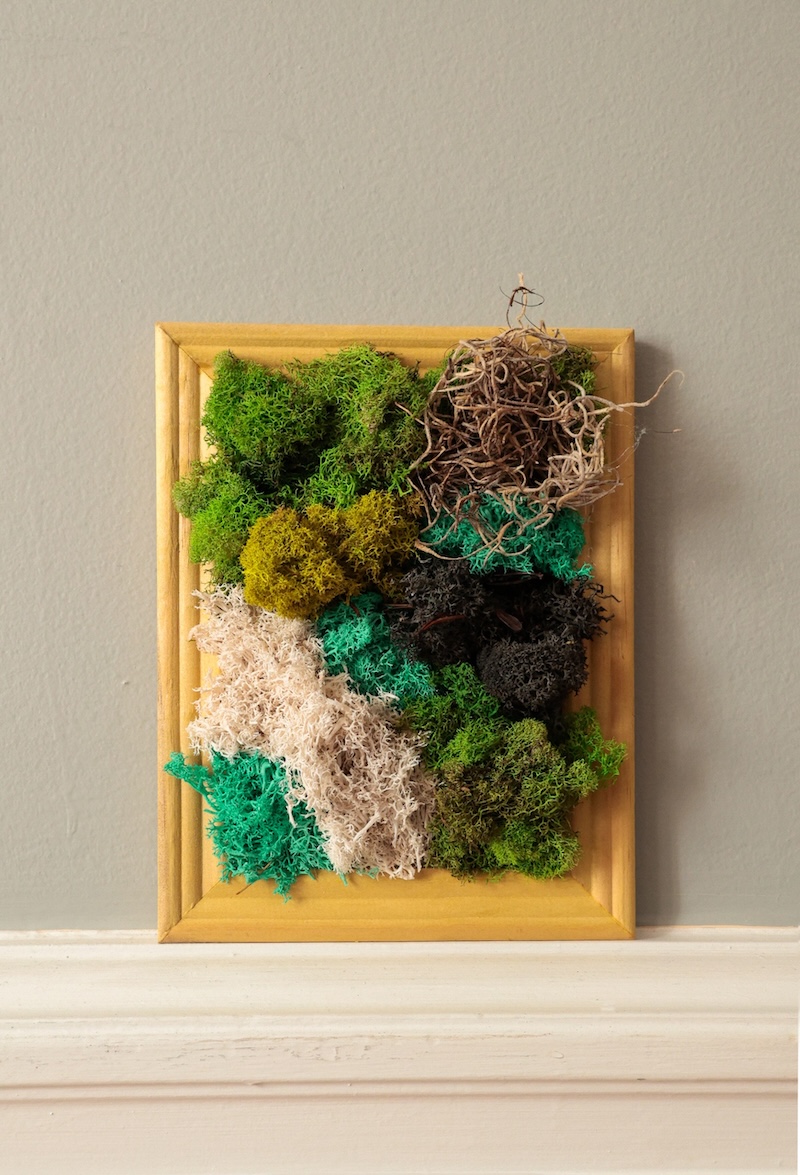
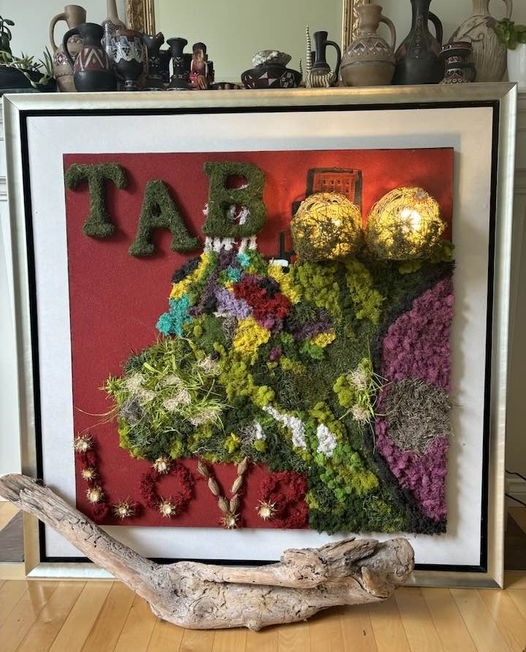
I create with multicolored preserved moss on recycled surfaces. I had noticed moss art installations, especially in international airports, inviting touch. During COVID when we were just on screens, I wanted to invite touch back into our lives, so I started making lush moss creations using color, shape and dimension.
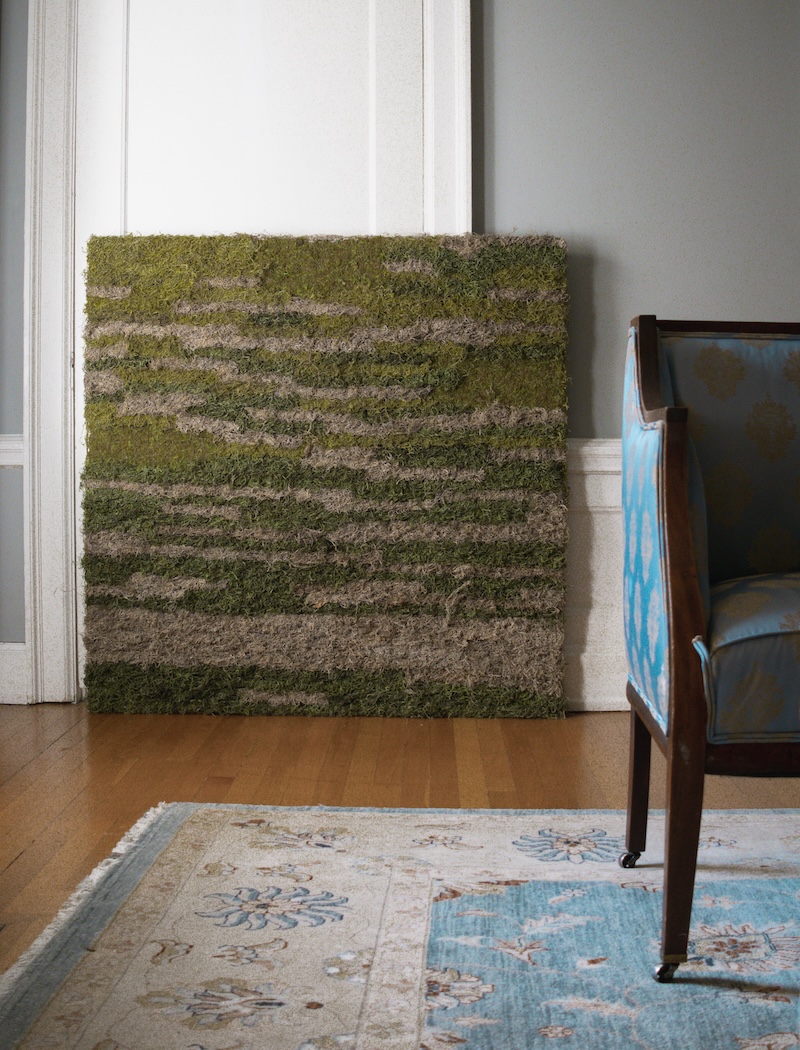
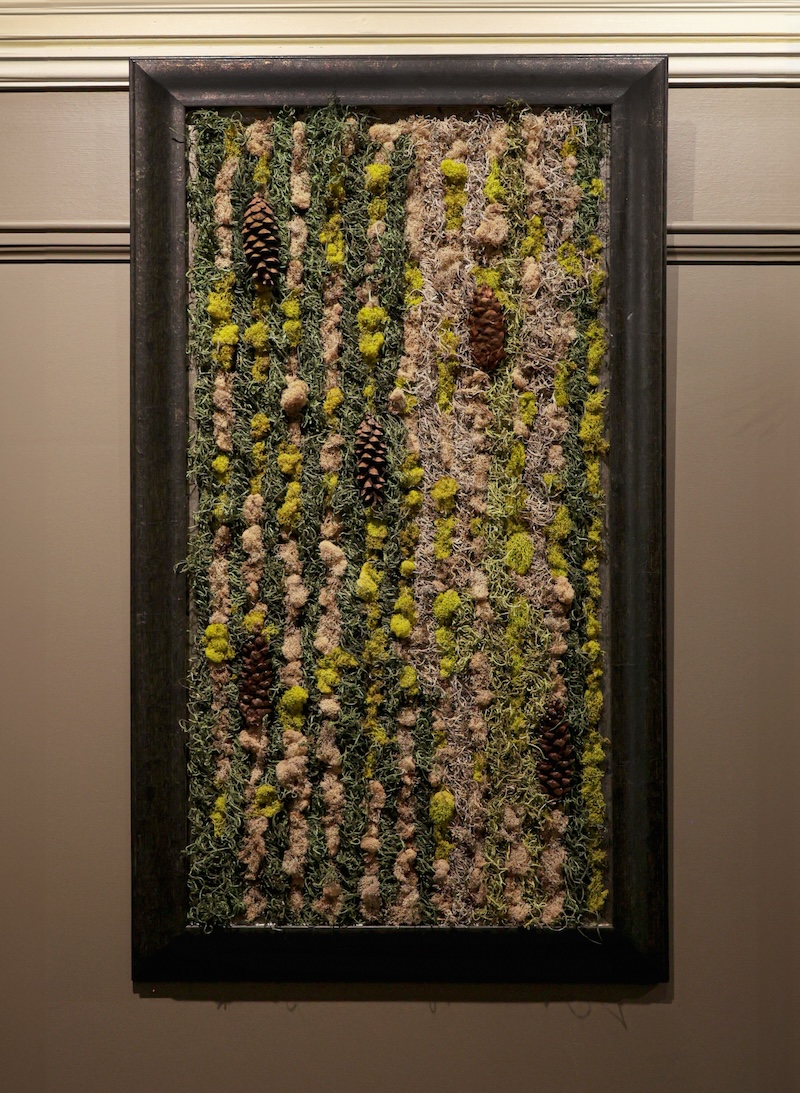
I have experimented a lot with applying moss to various surfaces and came up with different application techniques for which I should hold a patent. One of them is called "The Italian Tapestry." I am fascinated with medieval tapestries and I want to give the look of embroidery. My technique involves playing with various colors and types of moss, applying shorter and taller mosses close to one another to create three dimensions. I also created another technique called “Modern” where I roll and twist the moss into little tubes that create a carpet-like effect. I am always thinking about how people will experience my art not just visually but with touch.
Moss offers lot of variety — the texture of Spanish moss is different than deer moss. Different color mosses give the artwork ambience and movement. I also add an additional layer of meaning to my creations by gluing my moss art to recycled frames. Each frame brings a story or a story hint, such as a house or a heart that I mostly cover with moss. I think of the frames as having secret positive messages. So, when someone buys my moss art frame, they also receive the positive energy channeled via moss art.
Most of my pieces are abstract but some have recognizable elements. One piece features a frame made from recycled hockey sticks complete with a verification certificate that these are hockey sticks on the back. On another piece, the central moss motif has what some galleries describe as an upside-down heart — they thought I hung my piece wrong side up! But I was positioning the heart as a balloon. A balloon suggesting you can be less serious, you can open up to love in a time when it seems young people, in particular, are a bit afraid to fall in love.
I love being part of exhibitions and brand collaborations/commissions. Recent exhibitions include “From the Roots” at The Silk Purse Gallery in West Vancouver. This was an exhibition of women artists who create with natural materials such as painting with coffee. This summer, the 2026 Odlum Brown/Vancouver Open 125 WTA Tennis Tournament featured my moss tennis player mannequin with a beautiful moss outfit. This sculpture was positioned at the fan tent of the tournament along with several pieces of my framed artwork in the tournament lounges. This was very meaningful to me as my daughter, ranked tennis pro Alexandra Vagramov, won the doubles crown along with her American doubles partner, Caroline Dolehide.
I see myself continuing to explore moss art as I am fascinated by the fact that moss does not have roots. I feel a personal connection because as a woman immigrant, having lived in four countries, immigrants also don’t have roots. You replant yourself in every culture, in every country. Moss does this generously and wonderfully.
How has this play influenced your work?
Addressing client’s needs is very similar in the art world and the business world. For example, there were a couple of times where I tried to initially sell my own moss art ideas to a client. That didn’t work very well. Clients, such as restaurants, yoga studios or golf clubs, have different requirements and they also have ideas about how the art should look. Both art collaboration and research require going over the project layout before presenting a solution.
My brand positioning research has helped my moss art in that I have a business plan for my art. Many artists struggle with how to position themselves because they haven’t had this exposure to a business mind-set. I knew how I would run my brand, such as my Instagram account. I will say that my art brand doesn’t feel as demanding as my work — there’s more ability to go with the flow and even make mistakes.
Both moss art and research results also reveal more details when you take a closer look. There are stories within stories, almost like magic realism in literature. You can always find an extra detail that no one expects. And while my moss art is very detailed like research projects, moss is very generous. Really there’s no mistakes. If I glue it incorrectly, it will still be beautiful. That’s different from projects!
What advice would you give readers interested in your area of play?
Never put your artistic side on a shelf! Don’t think you’ll do it in 10 years because you need to work with your feelings, what you have inside you right now. Don’t wait until you retire because your research livelihood will be enhanced by artistic exploration.
Materials are very simple — preserved moss sourced from floral suppliers, a board or surface and a hot glue gun. You want preserved moss because then your finished piece can be displayed anywhere. No watering, weeding or even sunlight required. Your moss art will look lush even on a dark wall in winter. If you do a lot of online meetings, think how inviting and calming moss art would look as a background.
Let go of the restriction that you don’t know where to start. There are videos and you can search artist studios near you for workshops. Reach out to me at #rexandmoss as I’ve hosted in-person and online workshops. I recently did a workshop for Integrated Designers where I didn’t show any technique. I showed slides of what’s going on in the world with moss art design, then I simply asked them to do what I do — start with the feeling you have inside of you, lay out your moss, then glue it down. People came up with their own amazing, surprising techniques. Different ways to roll or manipulate the moss. All while enjoying drinks and snacks!
You can glue moss to everyday useful objects — you can make a lavish flowerpot with lots of texture. A flowerpot is a good starting place if you want to explore gluing moss onto shapes like I’ve done with mannequins. One tip: Working on smaller pieces is harder. I would start with larger frames, boards or flowerpots. And always remember moss is generous; there are no mistakes!