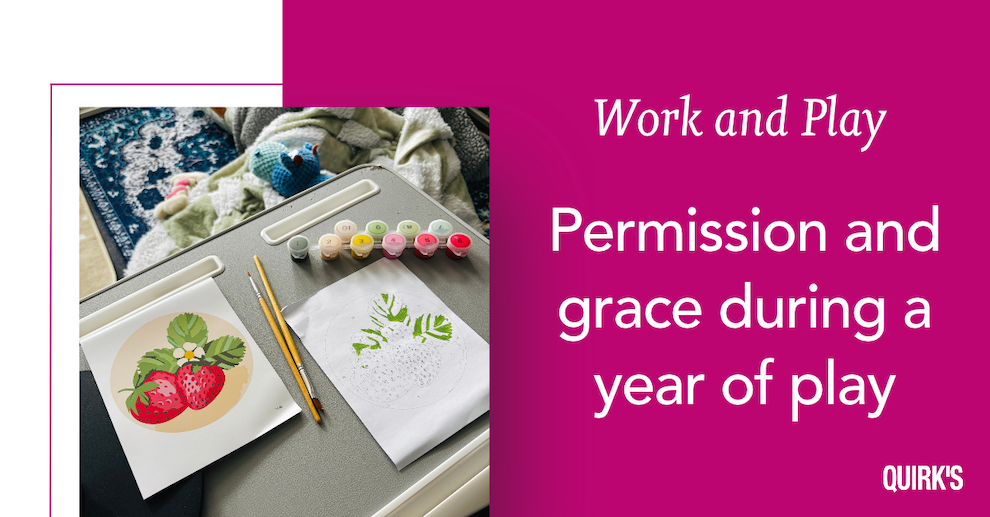
Q&A with Kayte Hamilton
Editor’s note: Nancy Cox is the founder/principal at Research Story Consulting, LLC, Kansas City, Mo., with over 30 years of experience in effective writing and research methodologies. She holds a Master of Liberal Arts in business admin and management, and a Bachelor of Science in journalism. Find Cox on LinkedIn.
In this ongoing series with research thought leaders, discover how the research community plays and how that plays out in their work life. In the Venn diagram of work and play, what happens when they overlap?
Kayte Hamilton is founder of The Social Question, a social media research firm. She holds a Master of Science in mass communication from VCU Brandcenter, a Principles of Market Research Certificate from The University of Georgia and a Bachelor of Science and Arts in marketing from Old Dominion University, where she also teaches marketing and marketing research as an adjunct instructor. Hamilton has volunteered with QRCA and remains an active volunteer on the Insights Association IDEA (Inclusion, Diversity, Equity and Accessibility) Council. She was recognized as a 2024 The Social Intelligence Lab’s “Insider 50” for her pioneering work in social media. Hamilton has become very intentional about play, recently launching her YouTube channel, inviting us to her hobby shed (more literally, her storage unit).
Hello Kayte Hamilton, Founder, The Social Question
What is the play in your life?
Prior to 2026, my most recent “playtime” was really just “me time” in the forms of reading or antiquing. I’d become an adult with very few extracurriculars in my 30s. So for every month in 2026, I set out to explore a range of activities. I was sparked by two contradictory questions: (1) Are we losing our sense of whimsy? A question on my mind during a keynote speakers’ bootcamp in 2025 as others discussed very responsible, very mature, very heavy topics — divorce in your 40s, financial management, stress and mental health. (2) WHERE WAS THE FUN IN OUR LIFE? My personal social media algorithm was starting to get flooded with hobby crafts and activities. Was whimsy coming back? Or was I in my own bubble?
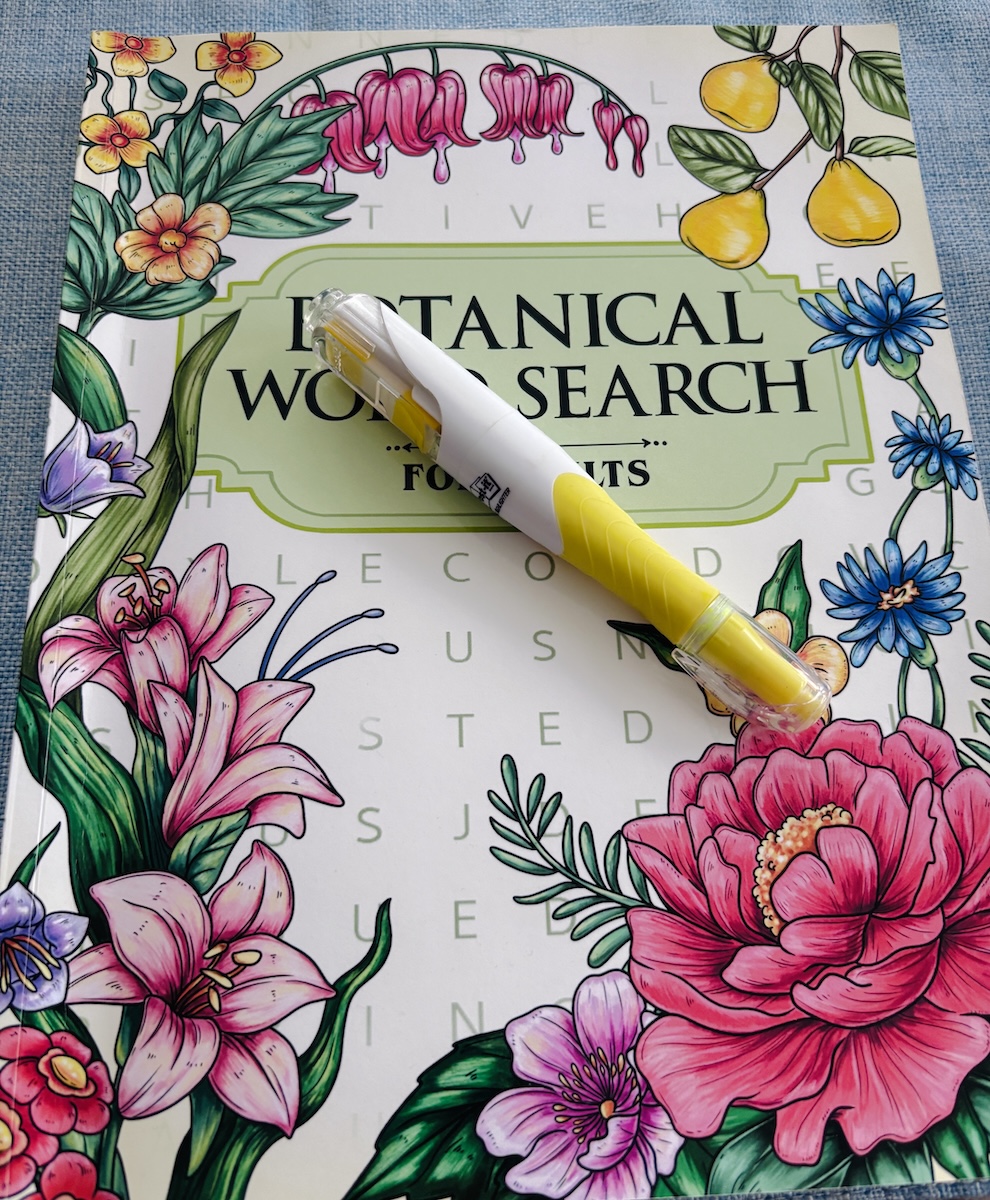
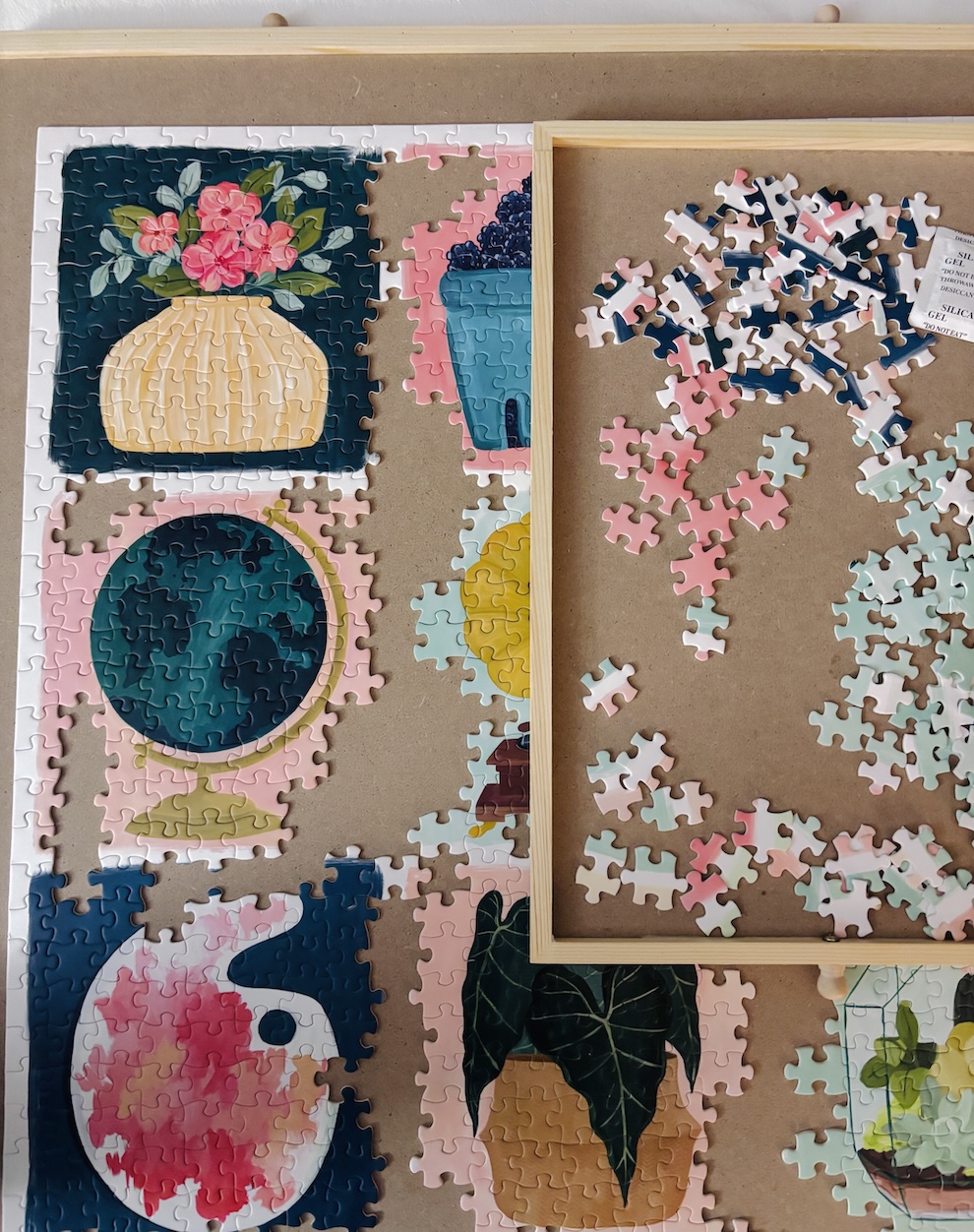
I decided the best way to dig into these questions was to create my own exploration into play. I started the year with low-energy ideas that were familiar and used what I had on hand — puzzles. I collect puzzles as trip souvenirs but it had been a long time since I sat down and actually did a puzzle. While surface space was a challenge I solved with a new puzzle table, I’ve tried to keep the buying to a minimum. February was coloring books. I had on hand a set that had moved with me from St. Louis to Virginia to Chicago. For a plot twist, a botanical-themed word search was way more fun than coloring in the lines. It had the trifecta: problem solving, reading and learning more about a topic as I looked up new words. I was on a roll, or so I thought.
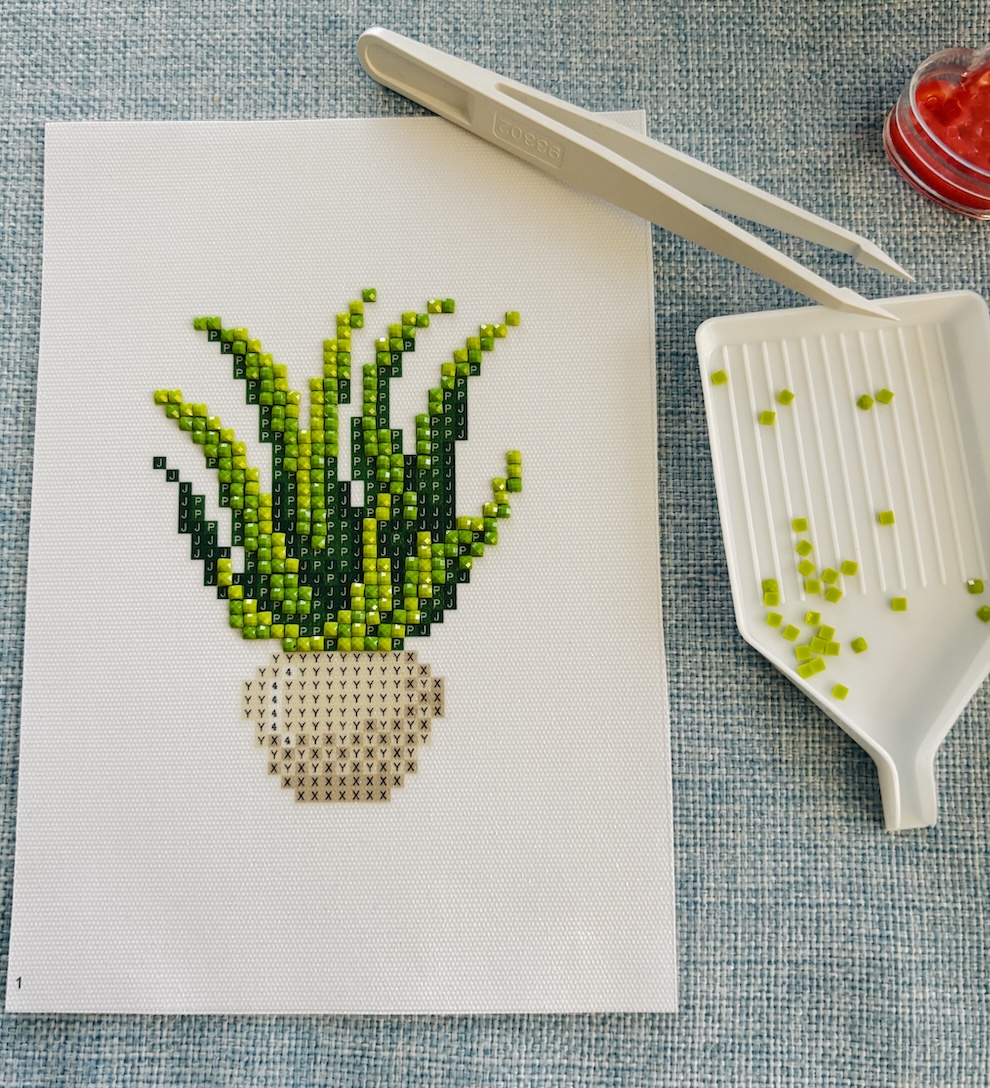
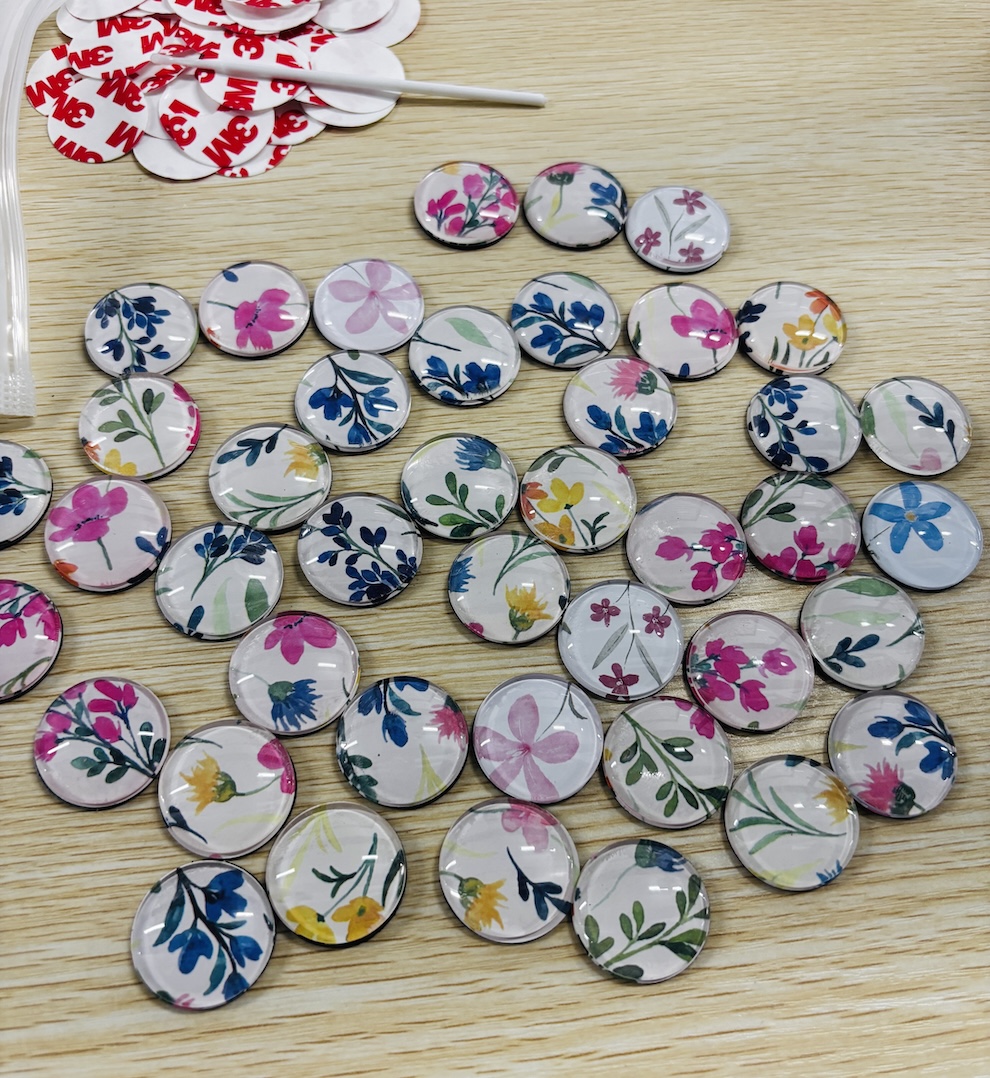
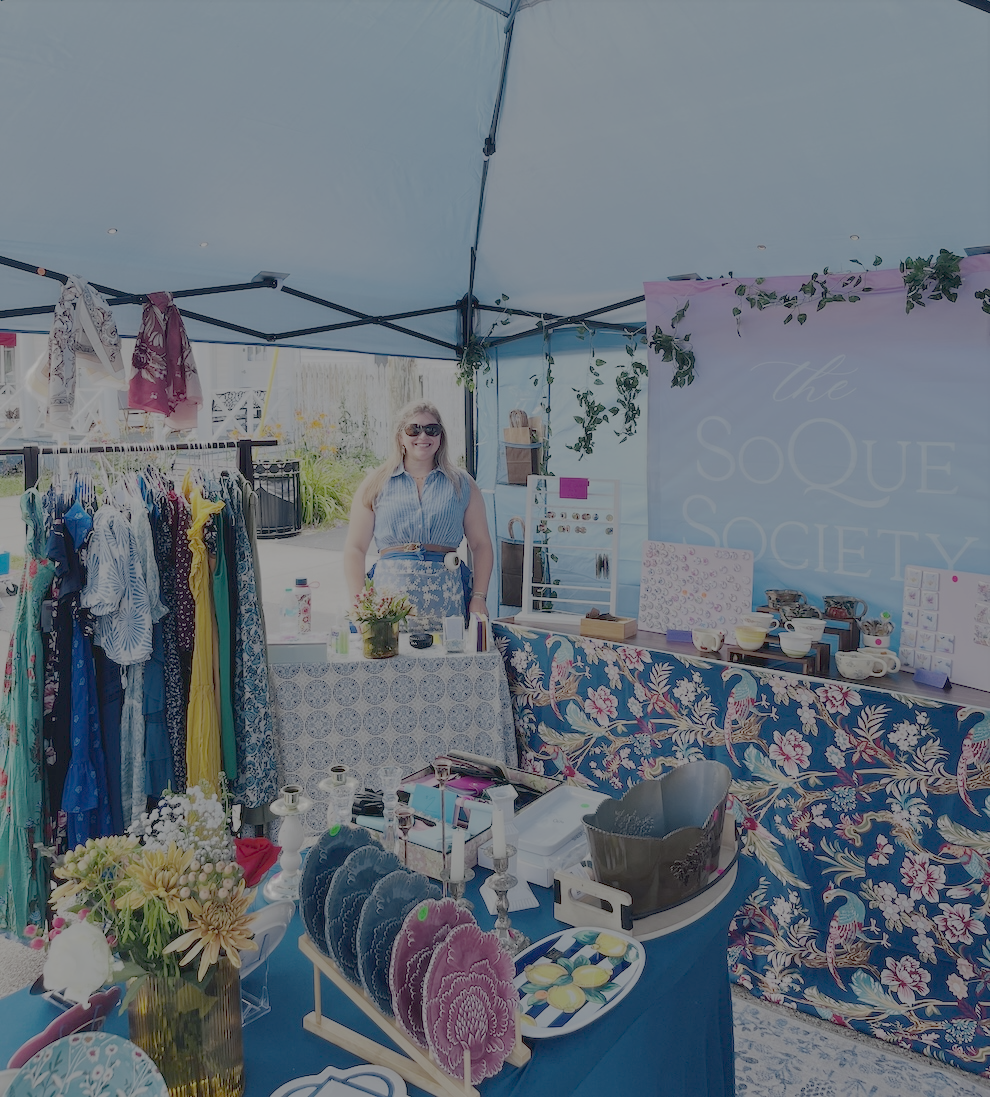
This summer I returned to activities with less of a learning curve and I think that’s part of my play sweet spot. I decoupaged beautiful paper napkins into botanical charms. Experimented with magnet and candle making. This also solved my craving for productivity, as I sold some of these items in my first vendor booth at a summer market, a program I am building as a side hustle to help college students get experience running a business.
All along I was learning tactical tips, such as mini does not mean easier, but also my own answers to what is play, as an adult? It seems my satisfaction rises when play has a purpose.
How has your play influenced your research work?
I’ve done some small convenience sample research on play. In the undergrad courses I teach I’ve used questions about play throughout the semester. Across a range of students, ages 18 to 50, their responses showed they thought play was childish, but hobbies felt more mature. For some, questions about play or hobbies implied that everyone else must have spare time for hobbies and they were missing out. For those who had hobbies, they seemed less stressed as they had a focus beyond just their careers, families or school. They also seemed like more interesting humans, not actually dreading that “What do you do for fun?” question because they already had an answer. I’m entertaining the idea of writing a research book on this topic. My own experience is providing a better work-life balance. For solopreneurs, it’s very easy to get trapped in 12-to-15-hour nonstop workdays. Feeling that productivity only comes from being at the computer — sending the emails, networking, digital “piddling.” Hobbies force me to work more intentionally on balance.
I also wanted to put myself in the shoes of the influencers often involved in my client work. So I am documenting my play on my YouTube channel, The Hobby Rx. I’ve witnessed firsthand how much time and skill it takes to video yourself, edit and add captions, post and blog. Consistency is hard. And it’s not just the mechanics. It’s also the storytelling that influencers and creators bring to the table that makes content interesting.
I know I’m relating more to the people I’m recruiting. I’ve started getting a higher response rate to my project outreach. I do think it makes me more human in an age of automation. My goal is that influencers I am recruiting feel that I’m not just someone emailing them oblivious to their livelihood demands. Seems to be working. Spoiler alert! For any of my clients reading this, my annual gratitude “Happy Mail” campaign is a play-themed hobby box. I got such a positive reaction to my first box four years ago it became my annual tradition, and the box keeps growing each year. I guess this has been a form of play for me, too, as I get to creatively consider what my partners would appreciate. For 2026, there’s a small gaming booklet I created related to hobbies.
What would you tell readers who want to know more about your area of play?
Challenge your definition of play. My definition is any activity – ironically not social media scrolling – where you actively find energy. For example, I loved word searches so I’m keeping that play in my rotation. I am also giving myself both permission and grace if there was something I didn’t enjoy. It’s OK to move on — I’m really struggling to pick up the crochet hook again! If you get energy out of learning new skills, good for you! But if you’re draining energy, probably not a good use of your playtime.
Make today your someday. Look at your pile of “things to do one day” to see what play you already have on hand — like my puzzles or the Lego kits I had for several years. Remember that play does not mean spending a lot of money investing in new materials. Reflect back on what you enjoyed doing as a child, teen or young adult. My mom told me that I was that child who would be happy for hours on end with crayons and a piece of paper, likely why I had collected and was gifted so many coloring books over the years. The holidays are a great time to ask your family and friends what type of play they remember you enjoying. Share your memories of what they loved as play, too. This could be a fun ice-breaker for stories and potential inspiration for your own year of play in 2027!