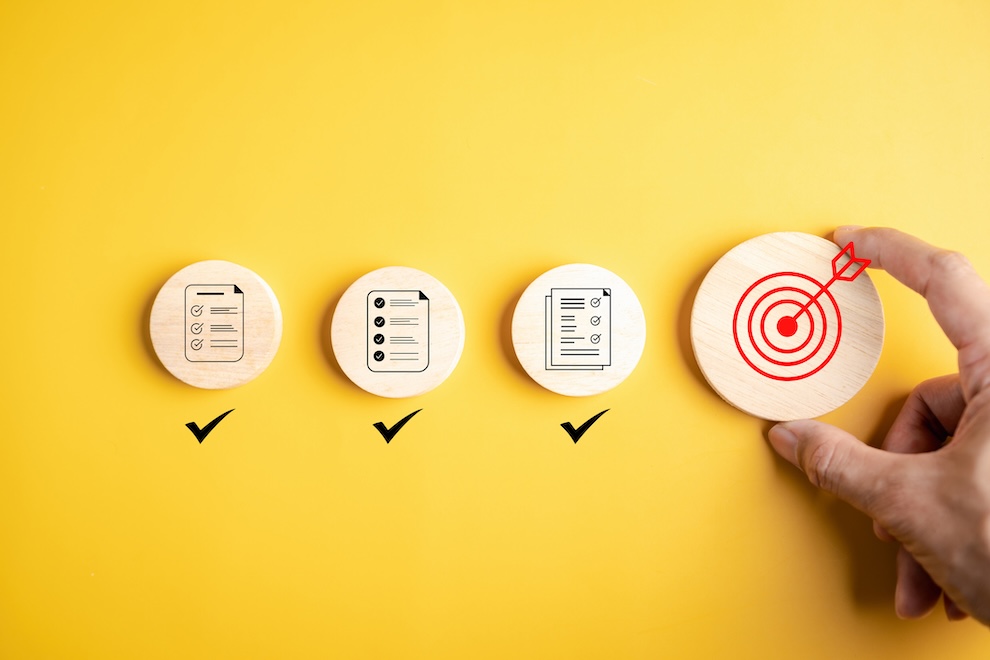
Ask a marketer whether synthetic data is ready for big decisions and you'll likely hear yes. Ask an insights leader and you'll hear: “It depends.”
Both are right. That’s the problem.
Our Connected Insights Imperative 2026 puts numbers on that divide: 47% of insights professionals won’t use synthetic data for major decisions, compared with just 18% of marketers.
Move too slowly on AI and the business adopts tools before their limitations are fully understood. Move too quickly and you risk sacrificing the rigor insights teams bring to business decisions.
“Do we believe in synthetic?” is the wrong question. “Would we trust it for this decision?” is the one that matters.
Without a clear standard, caution can look like obstruction. Put the standard in writing and it becomes leadership.
That’s where insights should lead: match the testing approach to the decision and set the standard for where AI can be trusted.
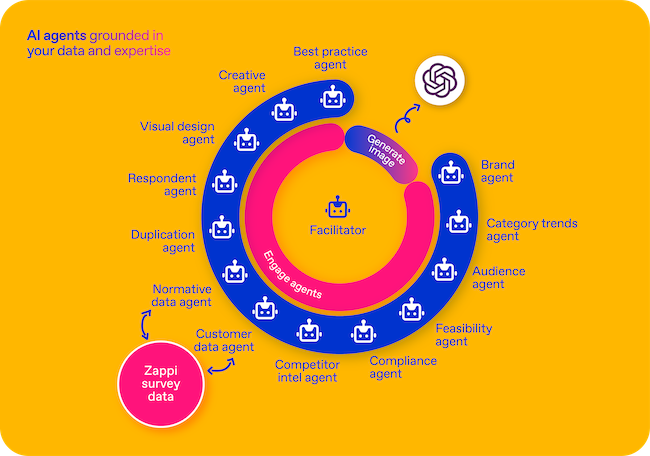
At Zappi, our AI agents build on a brand’s past concept tests and category norms to generate ideas up to 30 times faster. Where speed, scale or cost put traditional research out of reach, AI prediction and synthetic respondents can bring consumer evidence to decisions that might otherwise go without it.
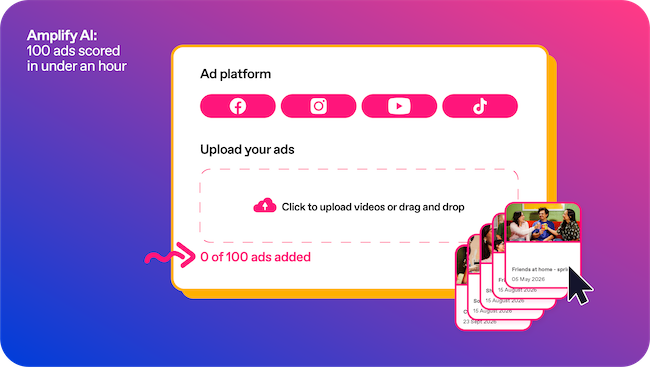
Our Synthetic Idea Pre-Screener can rank up to 300 early ideas in minutes; 88% of the ideas in its top 30% also score high or medium with human respondents. Amplify AI, trained on millions of real consumer responses, can score up to 100 social videos within an hour, with 84% of predictions landing within one point of human results. In our work with enterprise brands, only 5-10% of campaign creative is typically validated with consumers before launch.
For the highest-stakes decisions, you still need direct consumer input – and AI can make that research faster too.
But no single testing approach is the answer. The bigger opportunity comes when they connect. Human and synthetic evidence can build on what came before instead of starting from scratch.
AI has made speed easy. Insights teams make it something you can stand behind.