
Conversations with corporate researchers
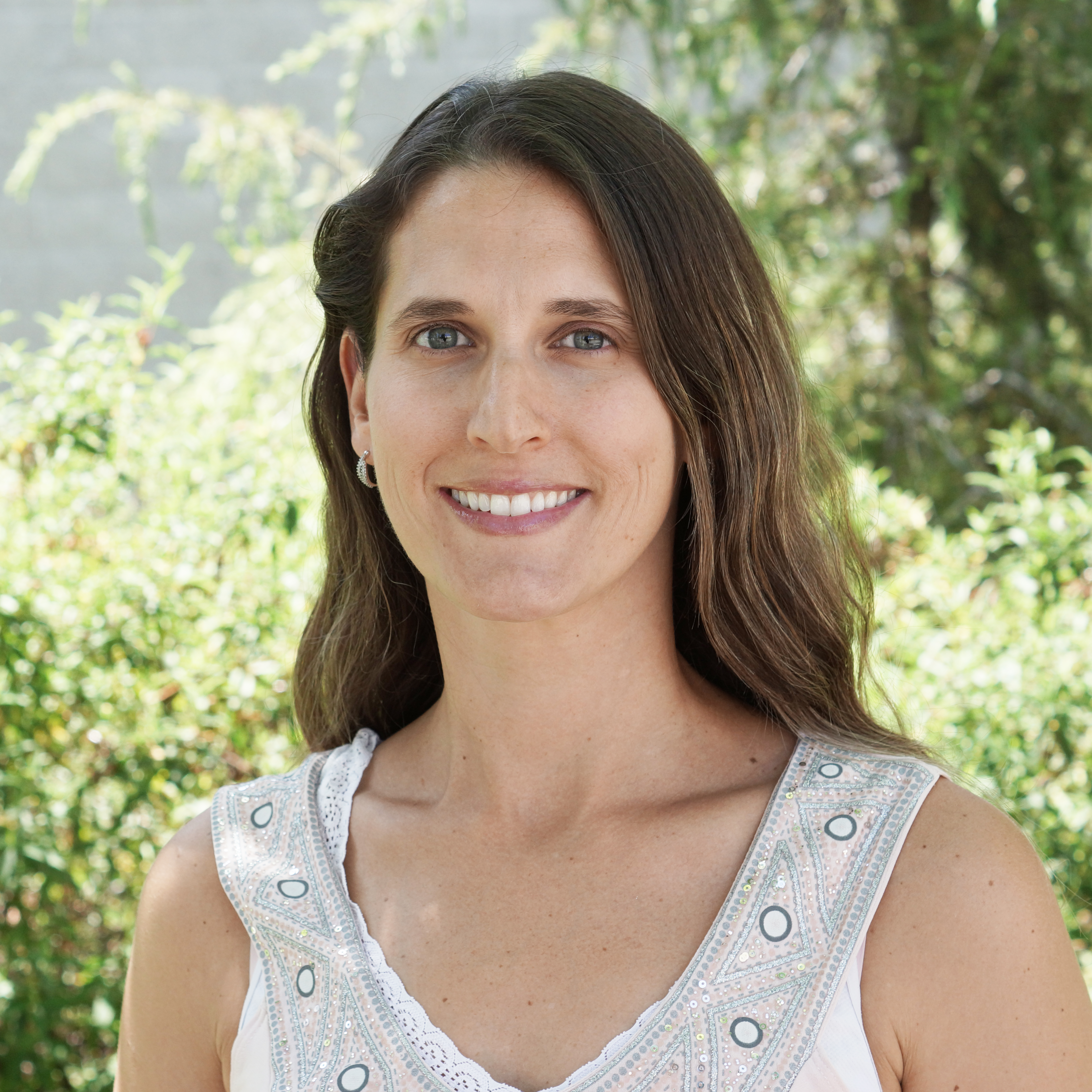
Kara Sterner
Director of Innovation, Bumble Bee Foods
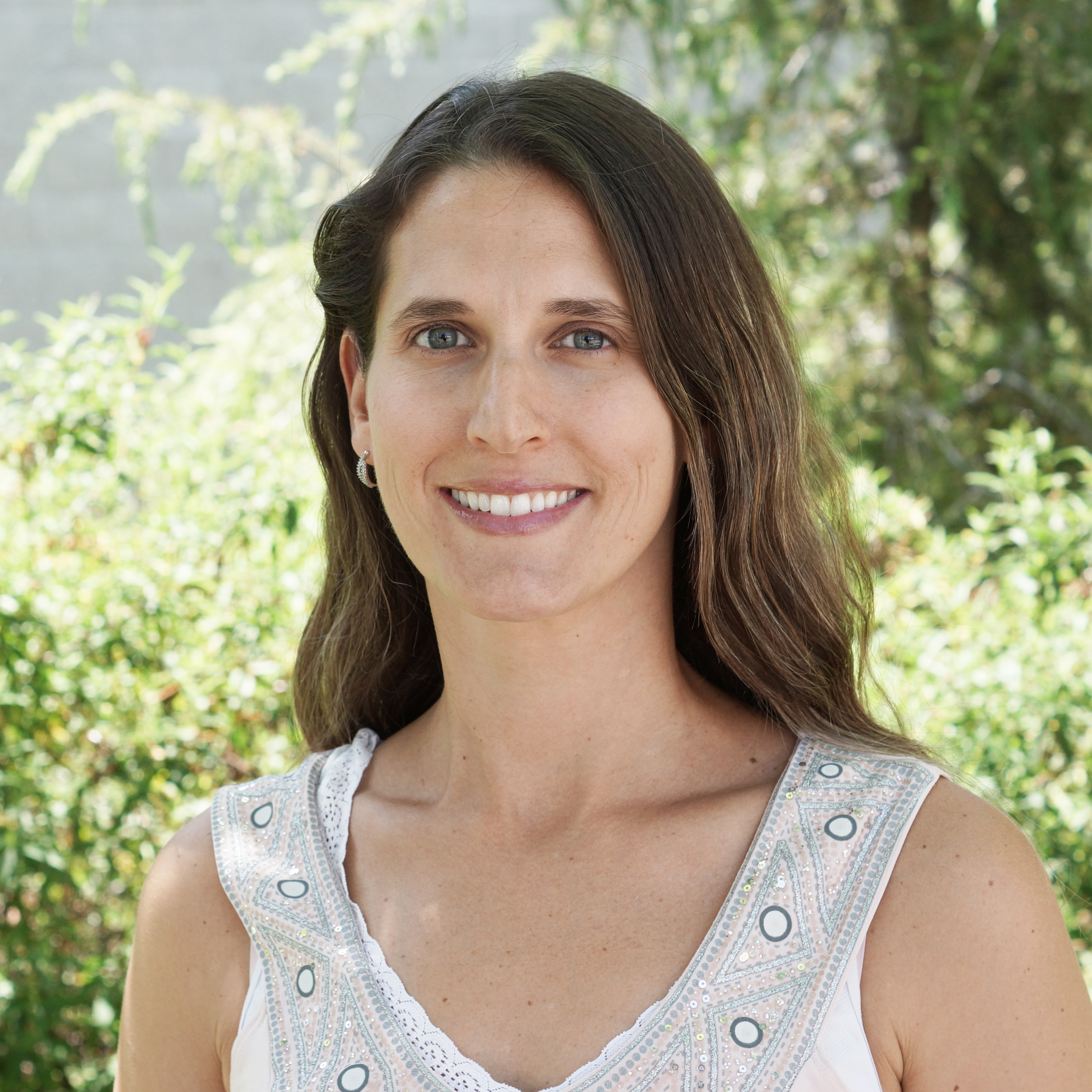
A learning journey is the perfect way to describe how I got to where I am today. It really all started with an interest in understanding how we as consumers make decisions to buy stuff. I have deep roots in the principles and practices of marketing, doing everything from introducing interior designers/magazine publishers to luxury textile lines, designing RFPs to win multimillion-dollar architecture jobs, bringing new technologies to life for retailers or building new brands and product lines from white-space opportunities. The common thread across these accomplishments is the use of insights and data to define the challenge and ultimately solve the problem.
How have you leveraged agile research in the past?
What I love about many of the new agile marketing research solutions becoming available and reputable is the speed at which we as a business can capture insights and integrate them into our processes. Marketing research gets a bad rap for being both costly and lengthy but with some of the newer agile tools, this is changing. For example, at Bumble Bee we have been able to iterate new product concepts multiple times through agile research – quant and qual – during the first two phases of our Stage-Gate process in a matter of weeks vs. months, which in the big picture has saved us time and money. In addition, agile research has enabled our organization to prioritize and focus on the ideas that resonate most with a targeted consumer through the use of quant concept testing that brings results within seven days. That is lightning-fast!
What tips can you offer to researchers looking to gain buy-in from the C-suite to leverage a new type of research?
C-suite buy-in is absolutely imperative if you want to grow the use of insights throughout the organization and continue to be funded. Two of the biggest challenges I have faced – not just at Bumble Bee – are when the C-suite does not understand how to use the data and when they are not seeing things move quickly enough. As insight-centric professionals, it is our job to help the C-suite by bringing actionable insights to the table – not just a bunch of data – as well as to use the best research method that will uncover an insight within an acceptable timeline. At Bumble Bee, the monthly/quarterly meeting cadence we have with our Innovation Steering Committee is valuable time where we established a consistent way to look at insights that help inform the go/no-go decisions. For example, when sharing concept scores, we show them in the context of everything we tested against as well as competitors in the category. This helps keep the group grounded. With regards to speedy research, we have addressed this by always providing a recommended approach but also including two other routes we could take the project, outlining what we gain or lose as the process changes.
Do you believe traditional research techniques can be used to better connect with research participants?
I think the answer depends on what it is you are trying to accomplish with the research, as well as who your target consumer is. For example, if you are trying to simply prioritize features of an existing product, an agile quant study could easily work. If you are trying to build new features for an existing product perhaps an agile qual tool such as an online community might be best. But if you are trying to build something that brings completely new value for an end-user it may make sense to do IDIs and/or traditional focus groups to really dig through dialog. The other layer to this decision is understanding who it is you plan to talk to. I think we all know that certain psychographic groups are digital natives who thrive in online environments and there are other groups who would just simply not be productive in that type of setting. I have done a little of everything and I think about the organization I work with and how receptive – or not – they are to alternative research methods. At the end of the day, the decision is a little bit of art and a little bit of science.
What keeps you up at night?
Thinking about how I be the best mom/teacher/friend for my two little girls (ages 5 and almost 2), to help guide them through a world that is so incredibly different than the one I grew up in.