
SPONSORED CONTENT
Jason R. Miller
CEO and Managing Partner, AnswerQuest
Mmm, mmm, good. Or is it? This is the question being asked by food and beverage companies every day. But how to best get the answers? After 18 years in this business, I realized the CLT taste test was one method that couldn’t be replaced digitally so I joined AnswerQuestin 2009 and opened a Boston facility shortly thereafter. I tested the waters with a minimal but effective facility (4,000 sq. ft., large CLT room, large prep kitchen and focus group room) and quickly realized that I might be on to something.
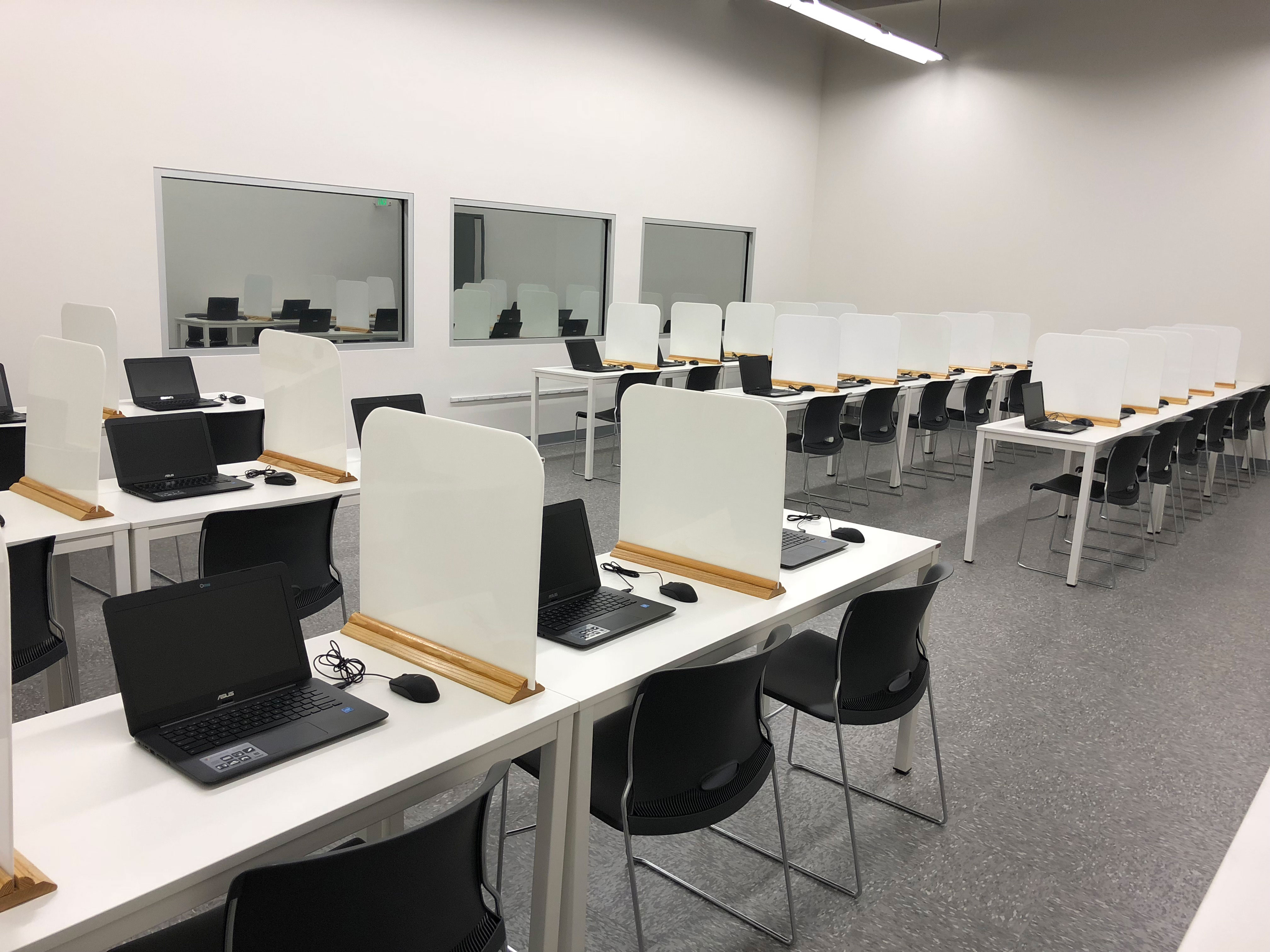
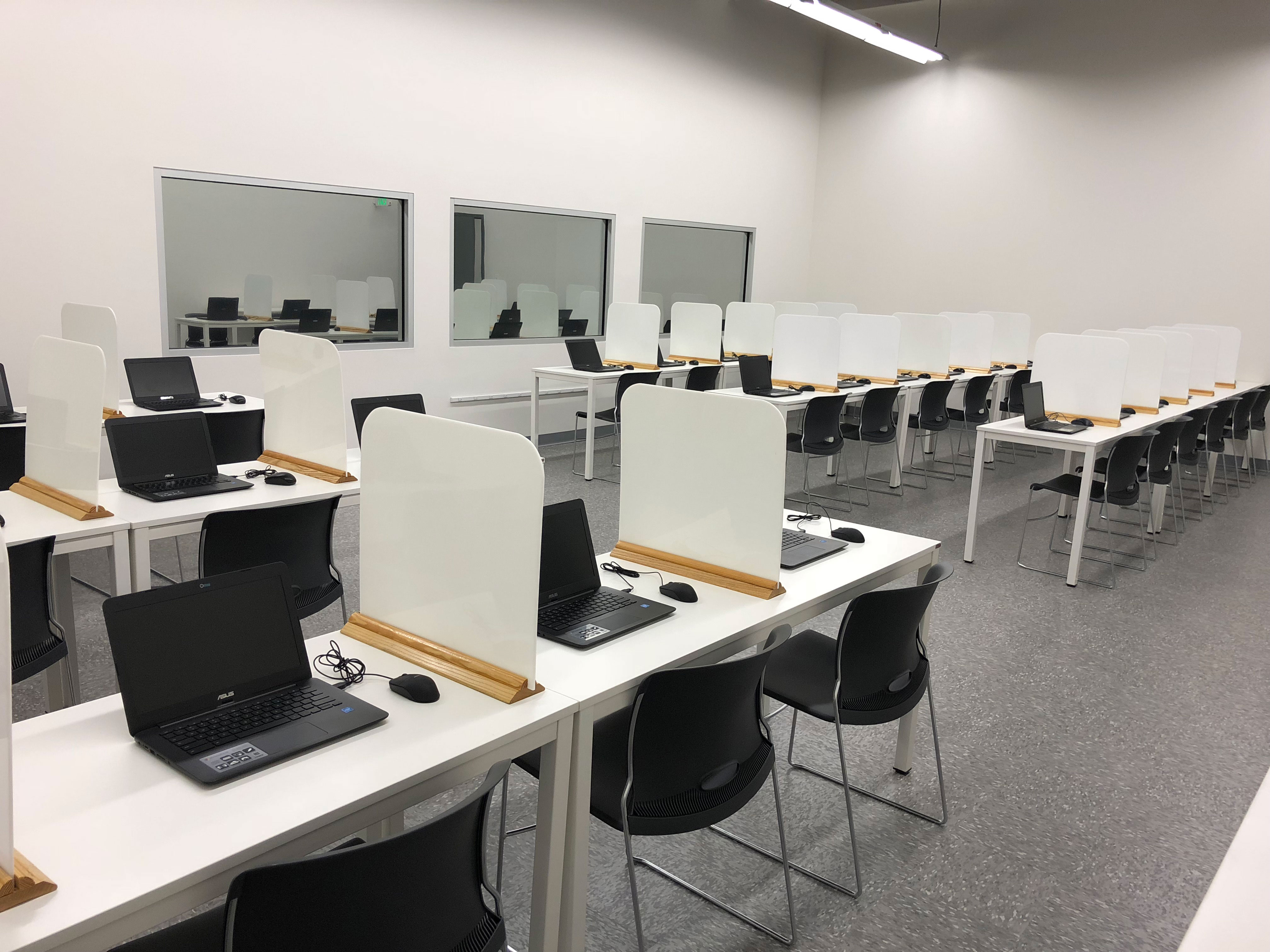
Fast-forward to 2017 and now we have a 9,000-square-foot facility with over 800 feet dedicated to our commercial test kitchen. We installed two 8x8 walk-ins, one cooler and one freezer and a 12-foot hood, commercial ranges, fryers, quick-connects, waterlines, etc. We also added another (larger) CLT room and a 450-square-foot multipurpose focus group room. Both rooms can be viewed simultaneously from the dual viewing room (through one-way mirrors) to accommodate these dueling needs.
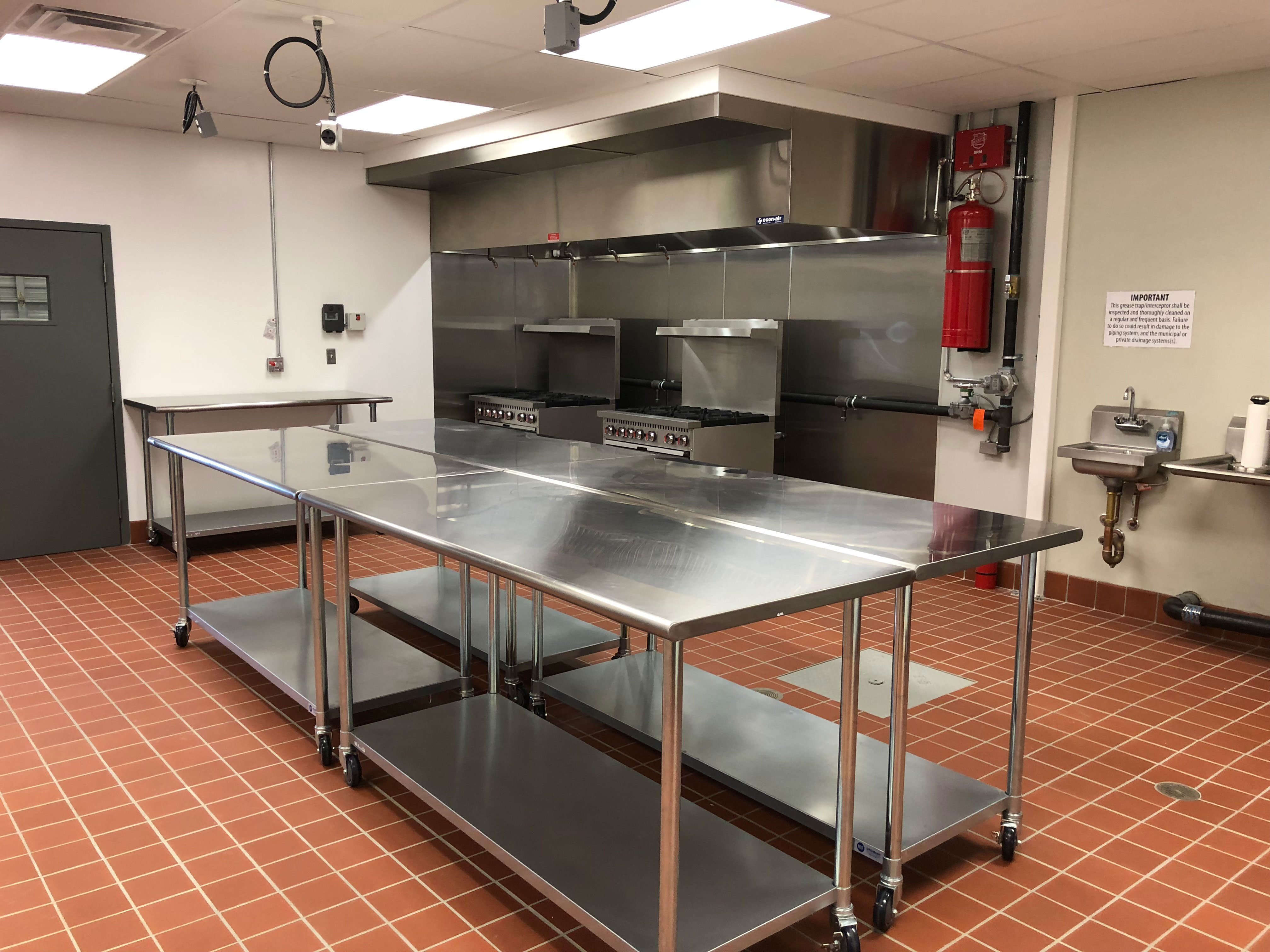
Why? Because the purpose of sensory research/product testing is to support the research and development teams at food and beverage companies, many of whom also utilize discrimination panels internally and therefore are used to producing product in their own kitchens. Being able to provide the same-level kitchen in a test facility is challenging. It requires a kitchen that is customizable; because each distinct R&D team will need to feel at home during the test and it is exactly why we built the commercial kitchen.
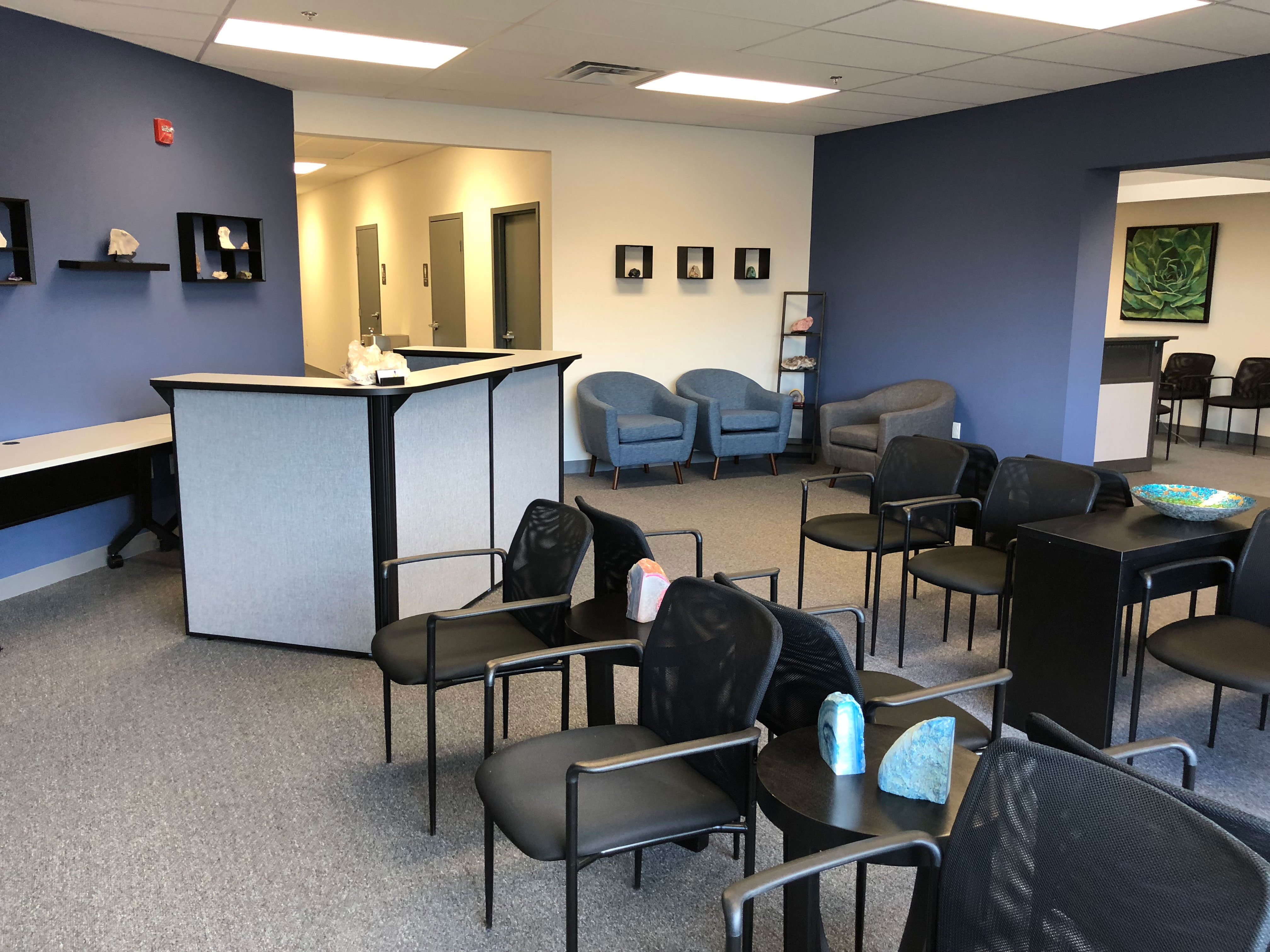
But adding commercial elements to a kitchen isn’t enough. Sensory research needs are changing. The days of sparse facilities are gone as suppliers work as much with the marketing departments as they do R&D. Those buyers are used to well-appointed – and often even luxurious – facilities for their qualitative work. In many cases,sensory suppliers and buyers are asked to make a choice: a nice facility or a commercial kitchen. So here at AnswerQuest I made a decision to accommodate both. The trend to accommodate hybrid sensory research has been growing over the years.
Hybrid sensory research is just that – a mix of different methodologies – and it is different for everyone. Many clients are now asking agencies to recruit for a standard CLT – with a twist. Sometimes, we are asked to conduct the self-administered portion of the tasting and then the client immediately pulls out consumers that pique their interest for either an individual interview or a focus group. Other times, we are asked to send consumers home with a product and a diary (online, packet of paper or mobile) and based on their responses they are invited into the facility for an in-depth interview.
Regardless, it’s imperative that a CLT facility cater to both R&D and marketing in order to succeed in today’s sensory environment.
Mastering the art of CLT work isn’t for everyone but I love the controlled chaos. The precision with which we have to operate, the intense pressure to fulfill specific quotas and helping buyers refine their products – this is what drives me and my overly-talented staff.
It’s also essential that everyone working on a study understand the type of method being employed. AnswerQuest (indeed, all Insights Center locations) personnel are all ServSafe® certified and trained. In addition, everyone in sensory must have a service industry attitude. As we all know, data collection is cut-and-dried – especially in a facility. Not only are we handling food and beverages, we are prepping, preparing and serving. On top of that, we wear our hospitality hats when clients are on-site to ensure they areas comfortable in our facility as they would be in their own.
In my opinion hybrid sensory/product testing is growing in popularity because these studies are incredibly efficient and in our budget-conscious world, researchers are able to gather top-level and deep insights in a single day. I also see the turnaround time getting tighter and tighter so lumping quant and qual together in sensory gives our clients the ability to make some fast decisions. And in food and beverage, getting it right is so important, especially at the data collection agency.
AnswerQuest – indeed, all Insights Center locations (Atlanta, Boston, Chicago, Dallas, Denver and LosAngeles) – understand how important the role of the data collection agency is in completing a successful project. It is imperative that we, as data collection agencies, understand the protocol of a project. We are the ones that are storing, preparing, handling, serving the product – as well as recruiting the correct consumers in order to give our clients the data they need to make (what can be) million-dollar decisions.

www.answerquestresearch.com
781-897-1822