

Editor’s note: Jeremy Eskenazi is author of RecruitConsult! Leadership, and founder of Riviera Advisors, a recruitment/talent acquisition consulting firm.
Have you ever struggled to hire the right people? Do most of the people you interview seem like a questionable fit at your company? You might not be using your employer brand to your best advantage. An employer brand is what employees and candidates say about your company and the work experience when you’re not in the room. It’s not something you can go out and buy or have a fancy branding exercise to develop and replace if you don’t like the one you have. Much like branding a product, your employer brand takes on elevated meaning and a predisposition to buy or join. In what is currently a competitive talent market, effective branding creates a sustainable competitive advantage and can make a huge difference in who is interested in working for you.
If you’re not sure what your employer brand is today, think about employer review sites that are popular in North America and many parts of Europe. If you’re not familiar with the concept of these sites, they’re user-driven platforms that encourage people to anonymously record their experiences with a company as a candidate or employee. They can write whatever they want, even if it’s negative, and they can encourage people to run in the opposite direction. The flip side is that reviewers can also sing your praises. Unfortunately, much like any user-driven site, anonymous contributors are usually either delighted with something, or were very upset; so you tend to see wild swings of positive or negative comments.
Every time you interact with a candidate, you create an impression. Now multiply these impressions dozens or even hundreds of times. This is a powerful force. This is your professional brand and your opportunity to create (or begin to re-create!) the first experience.
The people, symbols and meaning we try to attribute to a company can be a powerful tool in communicating where the organization is headed. The brand management process helps you to unearth the organizations’ brand expression in the marketplace. The five ways to leverage your employer brand are:
- Asset assessment. Be honest: What are your strengths and weaknesses? How large is your company? Do you need people who thrive in an intense corporate environment or do you want people who are happy to have a more stable career? What benefits do you offer? Is there opportunity for advancement? Knowing this and being able to clearly articulate it is so important.
- Employee involvement. What is your organizational culture? Is it vertical, with top-down direction and little front-line input, or are decisions made on a broad collaborative basis? Is there opportunity for creative thinking? Knowing how your employees interact today and empowering them to tell the story of how they contribute is powerful.
- Competitive assessment. What other organizations can your candidates work for? You need to know who your competitors are and what they offer. If another company offers higher wages, can you compensate with profit sharing or better benefits? Are there opportunities for you to be creative about your offerings based on what your competitors are packaging for candidates?
- Brand positioning. You need to know where your organization fits in the overall market. Does your company compete on price or are you targeting the upscale market? Are you known for promoting from within? Does your company have a reputation for treating women and minorities fairly? The comments left online are a good starting point for this, as are any internal surveys you run.
- Brand expression. This is the combined result of all of the brand signals that are present in the marketplace and are picked up by consumers and candidates. Every element of your employer brand needs to be in alignment. For example, if you claim to care about the environment and candidates are offered Styrofoam cups when they come in for an interview, you’d be surprised how much that can alter perceptions of your company and what you stand for.
In today’s competitive global economy, these five steps can help you find the candidates you need. Remember that candidates can be both internal and external. If you bring the right talent into your team, they may be interested and have versatile skills that could allow them to try new jobs at your company. They may be ready to take on a new role and be promoted, or they may be excellent at their current job. The point being: there is active work required to engage your current employees as brand ambassadors as well – they can carry your employer brand far and wide.
Your employer brand
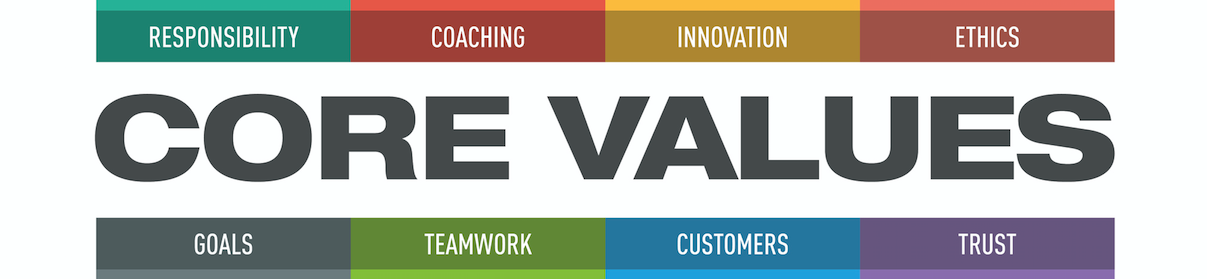
Remember, you can’t make an employer brand. Whether or not you know what your brand is isn’t the issue. It’s knowing the what the themes are that people use to talk about your organization. Then you can manage the expression of the brand – and how people receive it – as part of your brand as an employer. You can do this through your goals, vision and values, and the taglines that best explain what your company is about.
It’s easy for someone to say, “We aspire to be the best place to work.” Your employer brand cannot be solely aspirational – it has to be accurate for where your organization is today. When your position is too aspirational, people will likely be unhappy when they encounter you – both candidates and employees. If you were in their position, don’t you think you’d feel let down too?