
••• employee research
Workplace moods make a difference
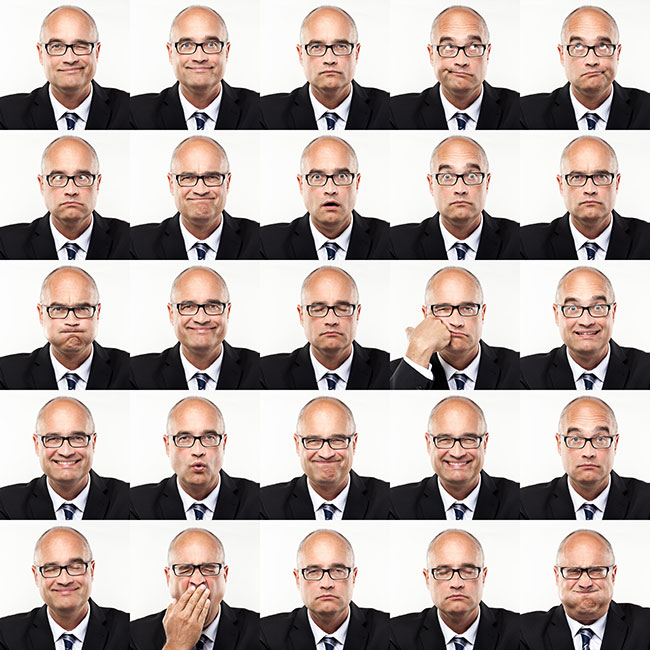
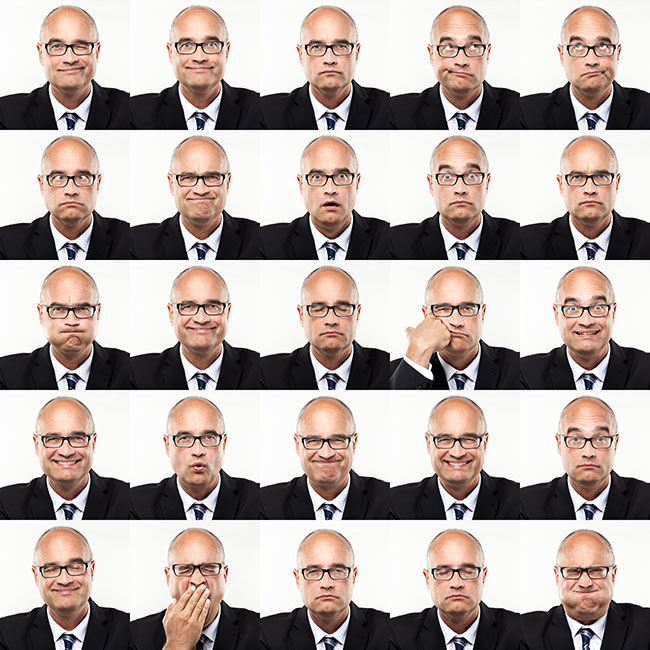
Myeong-Gu Seo, a management professor at the University of Maryland’s Robert H. Smith School of Business, worked with Michael Parke of London Business School to study just how much emotions and moods play into an organization’s overall climate and how that climate affects big-picture organizational relationship-building, productivity, creativity and reliability performance.
Whether intentionally or unintentionally, the researchers say company practices, leaders and routines together create environments that encourage certain types of emotional experiences or expressions among employees, specific uses of desirable emotions for functional goals and particular ways to manage undesirable emotions and moods.
Seo and Parke identified six different mood-based climates – ranging from workplaces that suppress positive, negative or any display of emotion to those that welcome positive, negative or all authentic emotional experiences and expressions – and how each can impact organizational outcomes.
Managers should assess their organization’s climate and make sure that it aligns with their strategic goals, say the researchers. If it doesn’t, managers should be more intentional and strategic in helping to shape the climate, and if necessary, take actions to change the existing climate or to try to establish a more beneficial one from the outset.
“The role of affect climate in organizational effectiveness” is featured in the Academy of Management Review.
••• multicultural
Many report economic uncertainty despite better 2017

Most Americans’ household income stayed the same in 2017 and slightly more consumers (41 percent) reported no major shifts in income compared to 2016 (38 percent). One-third (33 percent) experienced an improvement in income, compared to the previous year at almost 40 percent. Hispanics were most likely to report higher incomes in 2017 at 35 percent but this represented a decrease from 2016 (43 percent).
Americans appear less optimistic about the U.S. economy in 2018, with 42 percent saying they believe it will worsen or are unsure where things are headed this year. African-Americans were the least optimistic about the economy improving in 2018 and 23 percent think it will worsen. This compares to 36 percent of non-Hispanic whites who believe the economy will improve this year, down from the previous year at 47 percent.