

From the April edition:
As reported in the October issue of Breakfast Beat, McDonald’s began testing “Breakfast After Midnight” in 2012, offering a limited breakfast menu from midnight until 4 a.m. A second iteration, “McDonald’s After Midnight,” is now being tested in markets around the country, offering the most popular selections from both the breakfast and lunch/dinner menus between midnight and 4 a.m., at which time the full breakfast menu begins.
Quick-service restaurants enjoy an edge for attracting weekday morning visitors. Speedy drive-thrus and handheld foods offer a perfect solution to those eating on the run, but understanding today’s consumers is paramount to getting guests through thedrive-thru. Convenience, speed and portability have always been major requirements for weekday breakfasts but now health and nutrition and a tendency to snack have jumped farther up the list.
Morning patrons agree1 that healthy breakfasts are important (77 percent); functional foods are attractive (44 percent); a la carte is better than combo meals (35 percent); and restaurants need to offer more for restrictive diets (31 percent).
Although no operator will be able to satisfy everyone, one approach is to offer better-for-you items and smaller portions of core items, allowing patrons to make their own snacks or self-created combo meals. This would please guests wanting a more healthful meal, as well as others wanting to customize their experience.
While younger Americans still flock to restaurants, Baby Boomers are now the ones to court. Possessing plenty of time and 70 percent of U.S. wealth, they have the disposable income and dining habits that make them attractive to marketers.
Recent research3 shows that Millennials’ visits have dropped for five years, while visits from Boomers and older (48+) are on the rise, with Boomers dining more often in every industry segment than before the recession. Boomers tend to be loyal to their favorite restaurants, be well-traveled and have diverse culinary interests. Boomer restaurant desires are simple:4 cleanliness; booth seating; and table service and payment.
The research shows that morning meal visits have recovered to pre-recession levels entirely due to the increased visits by older consumers, who are now the most frequent purchasers of restaurant morning meals.
Other notes
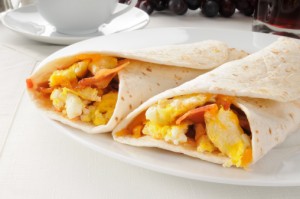
• The incidence of breakfast burritos on QSR menus rose 46 percent between Q3 2009 and Q3 2012.1
• 36 percent of fast-casual guests say they are ordering from the healthy menu more often than they did a year ago.2
• The use of “freshly baked” increased 49 percent on QSR breakfast menus between Q3 2009 and Q3 2012.1
• Quick-service restaurants’ share of breakfast sales has risen by 8 percent since 2007.5
• Boomers and older (48+) have increased their share of restaurant traffic by 6 percentage points since 2008, while Millennials have decreased their share of traffic by the same percentage points.3
• 51 percent of those surveyed say they purchased breakfast from a QSR within the past month.1
Sources 1. Mintel, Breakfast Restaurant Trends – U.S. – January 2013 2. Technomic, Future of Casual Dining Consumer Trend Report, 2013 3. NPD, Boomers and Beyond – Targeting for Success, 2013 4. 2012 research from Purdue’s School of Hospitality and Tourism Management 5. NPD, quoted in Restaurant Hospitality, 1/11/13