
Editor’s note: Dmitry Gaiduk is CEO of marketing research firm CoolTool, San Francisco. This is an edited version of a post that originally appeared here under the title, “The next 10 years: From artificial to insights intelligence.”
At some point, artificial intelligence (AI) will lead us to insights intelligence (II). It’s quite possible that within 10 years we’ll see a completely different marketing research industry landscape.
During the last few decades we have collected piles and piles of data. AI has the potential to help us analyze and systemize it, transforming big data into useful research insights. Moreover, we will discover a lot of opportunities during our journey from immersion into data analysis onto obtaining actionable insights. In such a way, AI will be the core component of marketing research automation.
Undoubtedly AI will change the consumer insights mining process within the neuromarketing industry.
1. Deep learning is the next big thing.
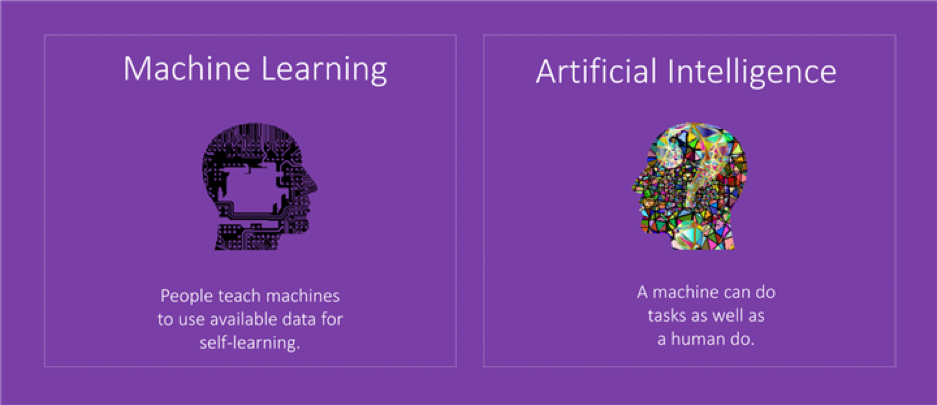
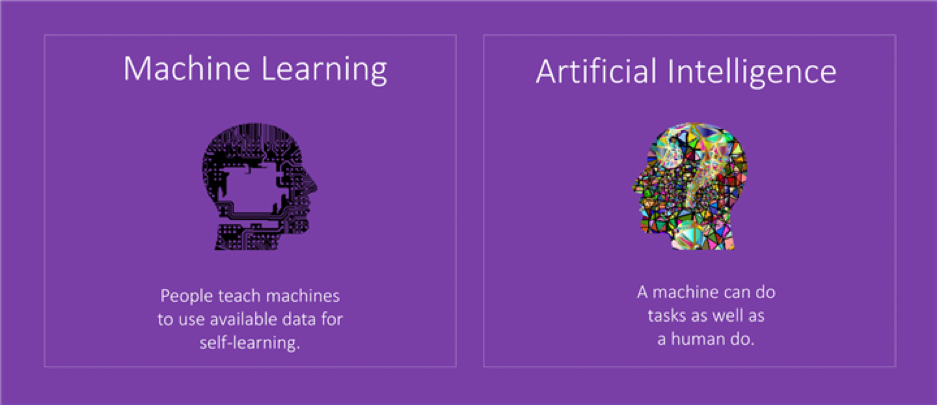
Basically, deep learning is the more advanced machine learning. Machine learning is based on the concept of feeding computer algorithms with a big amount of data and letting it make its own conclusions about this data. As a result of the analysis, these algorithms produce high-quality insights into the subject of the research.
The deep learning is practically the same process but within more advanced and smart algorithms. It has already revolutionized the neuromarketing research industry by a huge margin. Today, thanks to these technologies marketing researchers have a diverse and powerful toolkit for consumer behavior analysis. And the more actionable technologies in use, the faster the development goes.
2. Not all MR/analytics firms will survive.
There are many risks associated with new tech, especially for companies pioneering its application. If applied correctly and with a certain degree of courage new technology will always provide more opportunities than challenges. This is applicable for any industry, including consumer behavior research.
Some old-school MR/analytics firms will not survive this transition to AI technology. But those that will evolve and adapt, as well as embrace these changes, will reap huge benefits.
The landscape of the consumer neuroscience industry will change faster than one can imagine. To be competitive in five, 10 or 15 years you must start using AI in biometric research (already available). Such top brand names as PepsiCo, The Weather Channel, eBay and Daimler have already used neuro-tools to conduct marketing research and improve their marketing campaigns.
3. Neuromarketing technologies will be used by small businesses.
There are already new technologies allowing us to get better insights at relatively low prices. Neuromarketing allows you to receive a higher quality of customers’ insights at a lower cost than traditional marketing.
Changes driven by smart AI algorithms will evoke new opportunities which will revolutionize the insights industry. All businesses including SMEs will use the power of the II.