
Conversations with corporate researchers
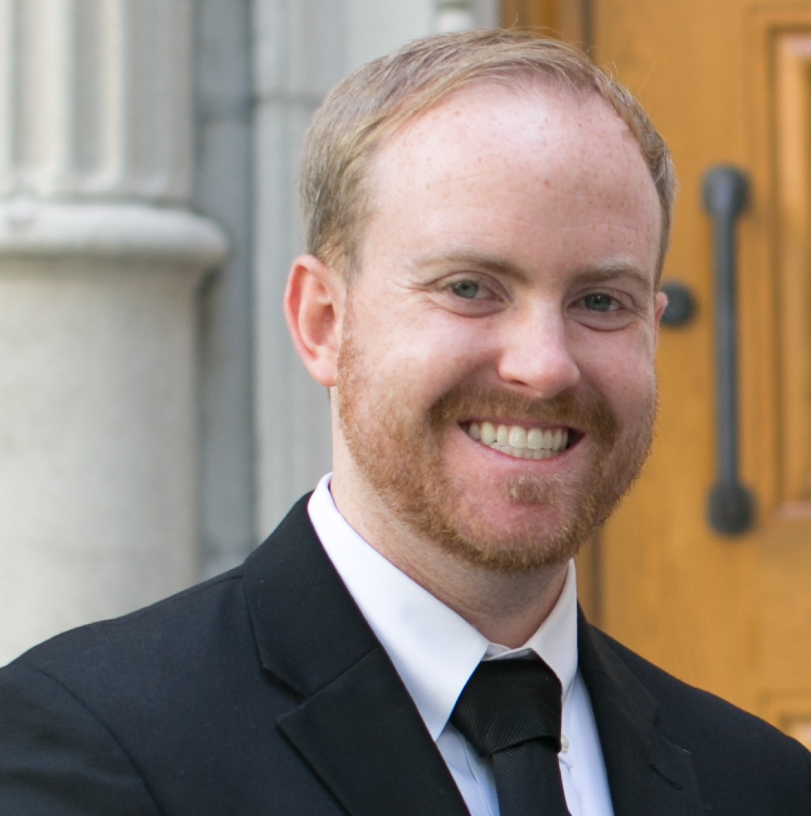
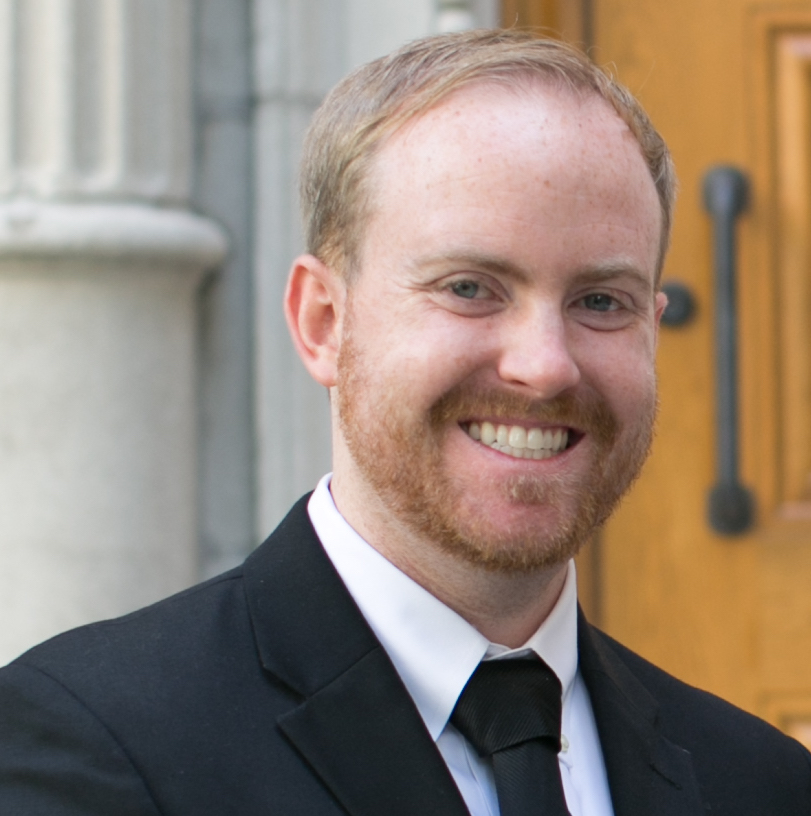
Tyler Kettle
International Insights Program Manager, Google
It had a significant impact on my career. I started my first internship on the supplier side and I found that I had a passion for MR and understanding what drives people to do what they do. I continued working part-time throughout college and started to tailor my college classes around areas focused on marketing research. At that time I was especially interested in quantitative models and predicting consumer behavior.
While this was very beneficial in furthering my career it also limited me in some ways because early on I had a narrow scope on research, focusing only on the quant side of things. It wasn’t until I entered the MBA program at the A.C. Nielsen Center at the Wisconsin School of Business that I realized I needed to learn more about qualitative methods and new approaches to gaining insights. This drove me to continually learn new approaches and methods throughout my career on the client side.
What tips do you have for client-side researchers who are interested in learning about new approaches and methodologies but don’t have the budget in place to dive right in?
I would recommend first leveraging resources online from vendors, research associations and publications like Quirk’s that are usually free to learn and come up with new ideas and approaches. Once you find an approach that you believe could bring value to your company you can build a business case as to why you should start exploring that method.
Leverage your research network to find people who have done similar types of work to build up case studies of how this has been done. Talk with vendors who specialize in this approach to learn about what they do and how they do it.
Identify the vendors that you would like to work with and even gather high-level proposals. Include this information in your business case on how this approach and method could solve key issues your stakeholders are facing and start to share it with your colleagues to get their feedback.
Realize that not everyone is going to agree with your ideas and some might even say your plan will never work. When this happens try to understand why. I have had ideas that people fully dismissed because they tried it before and it failed. However, the industry is constantly changing and growing and something that might had failed four-to-five years ago can be successful now due to changes in technology, how consumers engage with one another and businesses online, etc.
Your next step is to find advocates who will support you on this idea and build a list of potential use cases and studies. Highlight the benefits and potential risks with this approach vs. what is currently established. Put a plan in place on how you could do a trial and outline how you will determine success or failure with this approach.
The next step is to pitch it to your leadership. If you don’t get the buy-in needed, don’t be discouraged. Try to learn why, be persistent and wait for new opportunities to open up to sell your idea.
Talk about a time you gained greater internal buy-in for MR.
One situation that stands out was at a company where I developed new methods to allow us to get directional research to help with decisions where we didn’t have the budget or time to conduct a full research study. To do this I developed a research community that allowed us to quickly test and redefine hypotheses our stakeholders had. This led to us being able to provide research and insights to teams that never had the resources or even desire to conduct full-service research studies. The insights we provided from the community were directional in nature but at many times started to make our stakeholders question certain things they thought were true and identify that they needed to invest in more research to better understand their customers.
One example of this was when I was working on a product that was struggling in the market and we used the community to test different hypotheses they had to better understand the cause. We found that we had a possible brand issue with the product and were able to show our stakeholders with the research from the community that we needed to invest in a larger full-service study focused on brand equity to really understand this issue and increase our brand perceptions in the future. This led to the stakeholder allocating funds to support a global brand equity study. Once we completed the study we were able to fully diagnose the issues and our stakeholder and others saw the real value of research. This led to better buy-in for future studies and helped increase the relevancy of research in the company.
Are there any new methodologies you would like to explore in 2018 and why?
While I might not be able to next year, I would love to find ways to incorporate neuroscience into research. I’m fascinated by what happens subconsciously when people make decisions or see certain content and would love to better understand this methodology and how it can be incorporated into research. Many companies are currently doing this with ad testing and I would love to be able to see this in action and understand how consumers really think and make decisions. There have been some innovative developments in this field and it would be amazing to try this out sometime in the future.
One other thing I want to explore is how to incorporate virtual reality into research. I am an early adopter of new technology and have my own VR setup and there are many amazing things that could be done to put consumers in a virtual environment to test their behaviors such as shopping or interacting with future products.