
Editor’s note: Kim Johanson is vice president, client solutions at marketing research firm Schlesinger Group, Iselin, N.J.
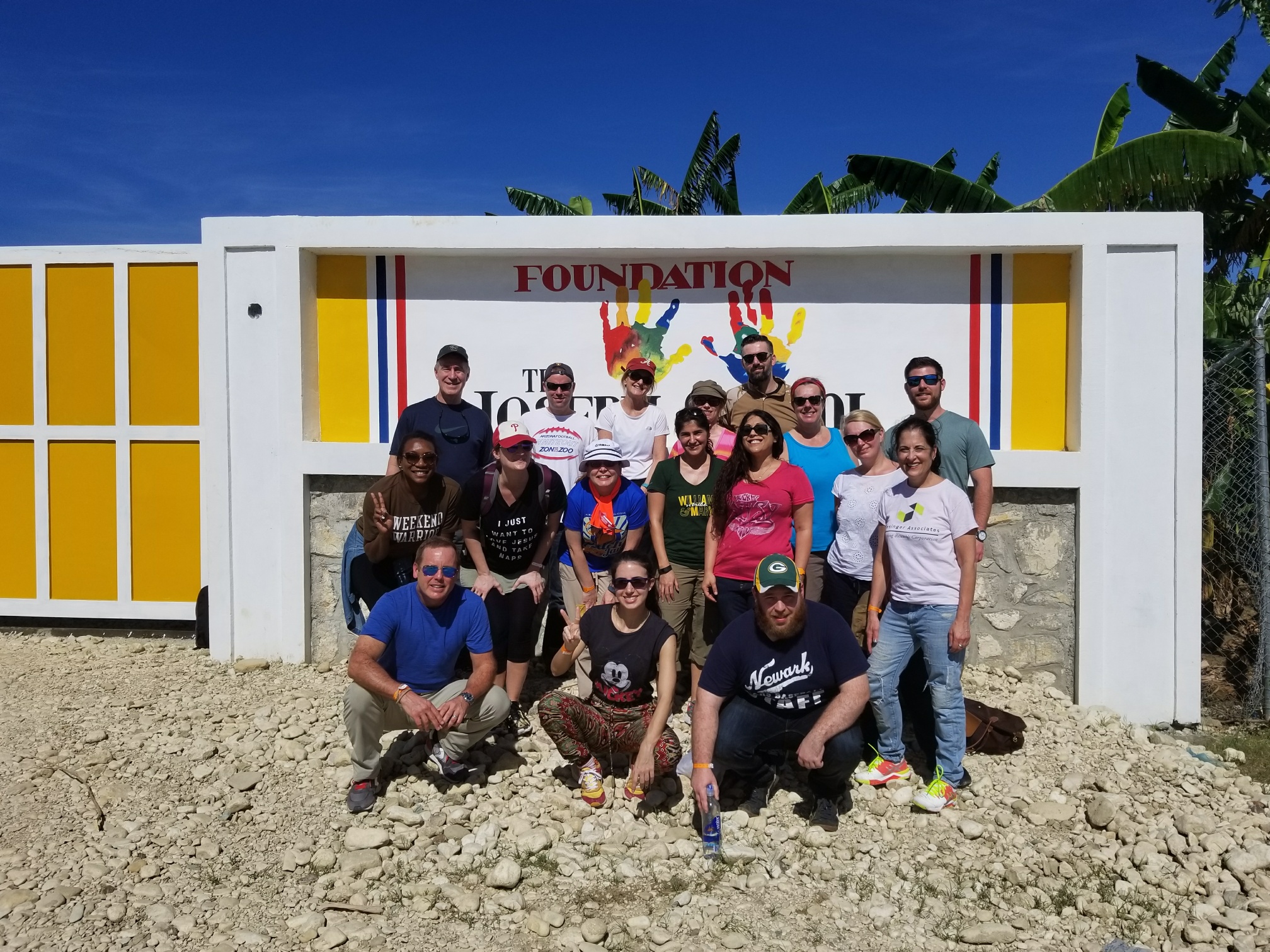
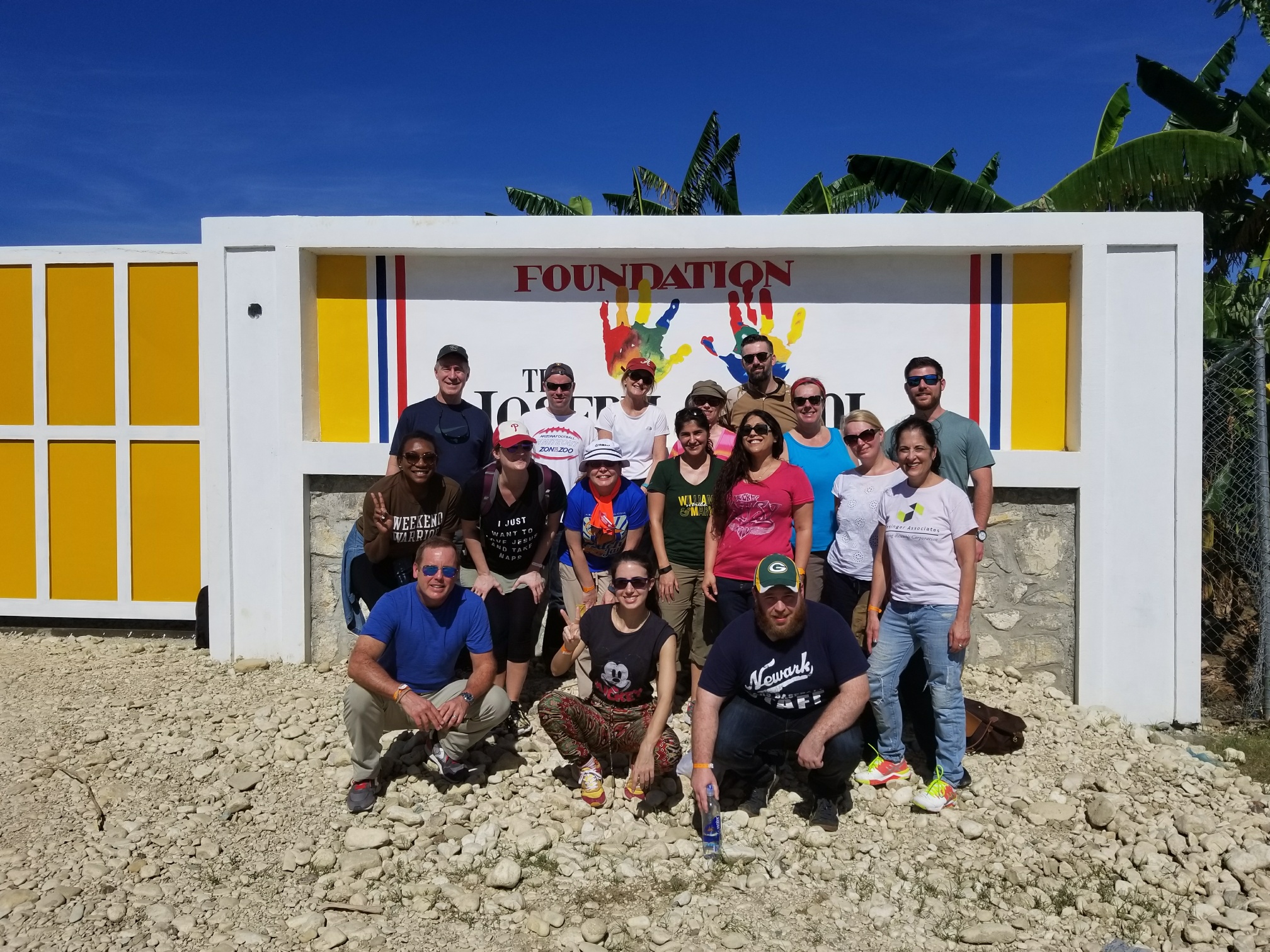
In its continued sponsorship of the Joseph School, the Marketing Research Education Foundation (MREF) has paved the way for many people in our industry to embark on service trips to Haiti over the last few years. I was fortunate to be a part of one such mission this winter with a team from Schlesinger Group and other research organizations. I anticipated a trip that would be eye-opening and raw. Having travelled extensively, I expected the wonderment of seeing a new place and experiencing a new culture. I expected the heartache of bearing witness to poverty and adversity and the self-awareness that comes from knowing that my standards of living are irrational. What I had not anticipated is the realization so late in my life that an ongoing connection is the most important kind of connection. For that reason, Haiti will be a big part of the rest of my life.
Last February Quirk’s published a powerful article by Carl Rossow, of Benenson Strategy Group, about his experience traveling to the Joseph School. Rossow wrote about the resilience of the people and the importance and relevance of service to the community. He concluded his article with a cry for unity around a philosophy that is undeniably important and bipartisan – philanthropy.
While Rossow’s article deeply resonated with me, visiting the Joseph School left an indelible impression on me only achievable by being there in person. In this article I intend to further Rossow’s plea for a commitment to service and philanthropy but also underscore the value of going beyond clicking a mouse to make a donation. While any effort to support this marvelous venture is important, leaving that ever-present mouse at the office and taking a trip to the Joseph School will change your life.
A vulnerable state
Our country is arguably more divided today than it was when Rossow’s article was published in February 2017. Haiti is front and center of the tense and divisive argument around immigration reform.
Haiti is in a particularly vulnerable state. Beyond being one of the poorest countries in the world, Haiti has been hit by a disproportionate number of natural disasters manifested by storms, earthquakes and hurricanes in recent years. This alone has made creating stability, driving out corruption and building basic infrastructure an overwhelming challenge for the small Caribbean nation.
Similar to the images captured by news programs and documentaries, our trip to the Joseph School was a journey through an alternate reality. We passed open markets amidst streets teeming with dogs, tap-tap trucks carrying loads of passengers and mounds of garbage. Through the green rolling hills there were women washing clothes in the rivers and children pumping water at local wells.
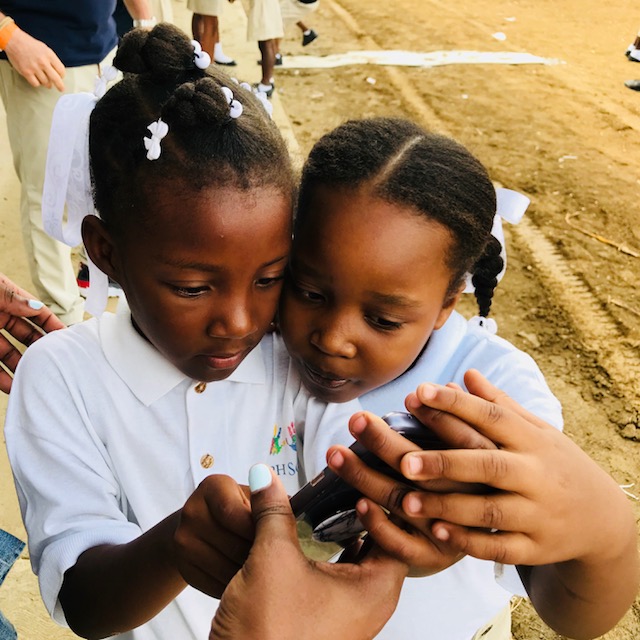
The Joseph School is a haven for children near Cabaret, Haiti. Bright-eyed and eager to learn, the children file off the bus to their tin-roofed classroom donning Reebok shoes thanks to a discount made available by a friend of the school board. They are greeted by Bildad, the operations manager, whose warm, happy presence sets the tone for the children each day.
Despite the striking poverty, the people we met in Haiti seemed happy. One day, as we were building the foundation of a home, we formed two teams – a cement team and a rock team. The rock team passed rocks to one another to fill ditches. We called ourselves the “rock stars” and happily worked for a few hours feeding off of the energy of the Haitian workers by our sides. In truth, the Haitian people we met were the rock stars. Children spoke to us about their dreams for the future. People made comments that inspired us – waking us up from the distorted notion that we had come there to inspire them. “We don’t have anything in Haiti, we only have each other,” Bildad said to us one day. “It doesn’t matter the color of your skin, we all have the same color blood.”
On our last night we took a bus to the top of a hill to have lunch at L'Observatoire, a restaurant located 3,100 ft. above sea level. From the peak, we had a view of the entire city of Port-au-Prince. Looking down at the whole city, I started to process my experience. There I was, about to return to a place where I do not think twice about having a home, clothing or health care, looking from a distance over a beautiful nation where many people struggle to meet their most basic needs.
Capturing the feeling
Despite my best attempts to describe this experience for you, I cannot capture the feeling of being there and the realization that I benefitted as much from this trip as the students at the Joseph School benefitted from our donations. To live the experience was to know that Haiti is a place full of beauty, resiliency, tenacity, warmth, happiness and love. Haiti is a place that has all of the most important qualities we pursue in life with a strong will to persevere but without universal access to housing, education and health care.
By visiting the Joseph School, I had an opportunity to network with amazing people within the marketing research industry – benefiting my career and my company. More importantly, I saw what it meant to give hope to people that face more adversity on a daily basis than most of us will in a lifetime. And with that, I left with an important charge: to return, often, to a project that is as sustainable as the hope of its people. To be a part of a project that is not another abandoned health care clinic. The people I met will know that I did not give up on them. That their hope isn’t for naught and their lives will continue to improve. And I will let everyone who will listen know about the challenges of the Joseph School so a movement is started – however small – and so more people are engaged along the way.
This is a plane ride worth taking. I promise you, when the students of the Joseph School look back at you with their big, bright smiles and giggles that could melt an iceberg, you will never regret your decision to be a part of this great effort. In fact, Haiti may become a big part of the rest of your life, too.