
Editor’s note: Carl Rossow is co-founder and chief operating officer of marketing research firm Benenson Strategy Group, Denver.
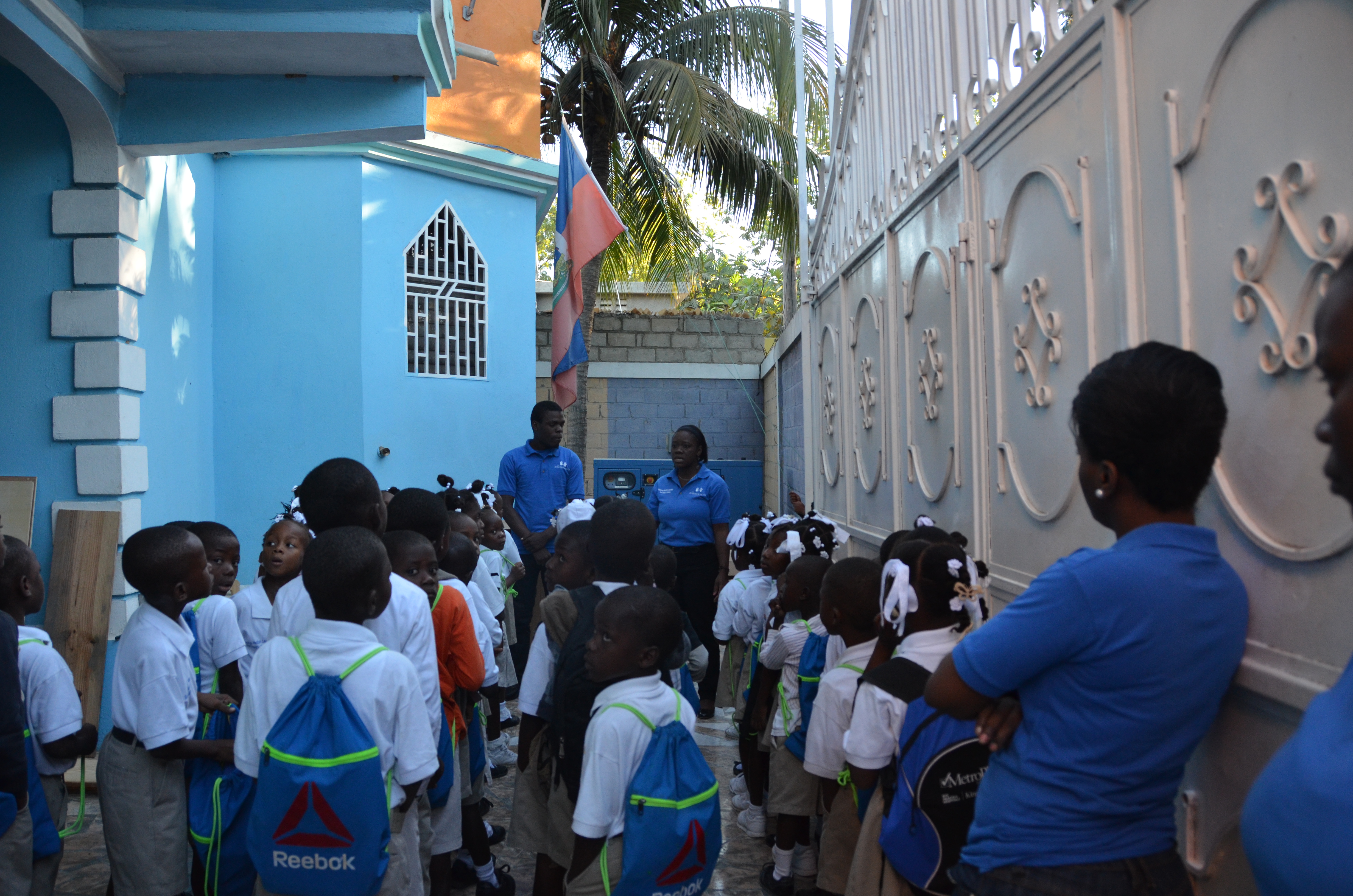
Last month a small group of supplier-side researchers and some of our friends at Quirk’s participated in a trip to Haiti led by Jim Bryson of Nashville, Tenn.-based 20/20 Research. The trip was sponsored by the Marketing Research Education Foundation (MREF), an organization that brings the marketing research community together to focus its collective resources on educating children and youth worldwide.
Everyone came with their own objectives, ranging from learning more about the struggles and opportunities that exist for the Haitian people, to educating themselves about global philanthropy in developing nations, to exploring a model for philanthropic service and giving. We came to the table with preconceived ideas about what we would see and the state of philanthropy in Haiti. However, those notions were quickly dispelled. We left Haiti feeling enlightened, knowing more about the country, its people and their needs.
Resilience
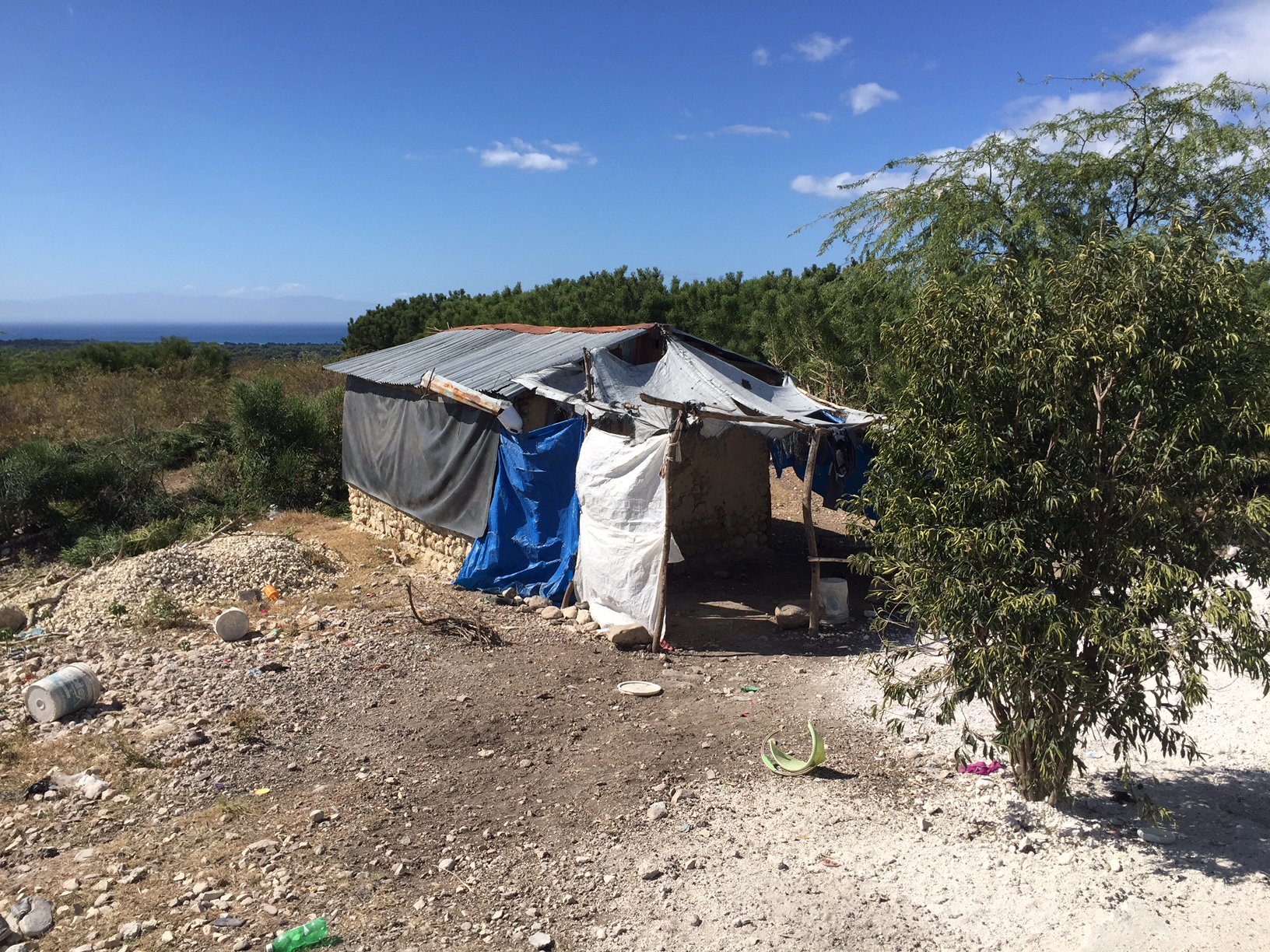
Haiti receives a large amount of aid from non-governmental organizations (NGOs) in the United States and around the globe – but not all aid is created equal. Unfortunately, many NGOs fail due to corruption and the lack of a strategic plan. In many cases, these organizations leave the Haitian people and communities worse off. We met people forced to leave their homes to provide land for organizations that promised communities that were never built. We witnessed kids suffering from lack of nutrition because large amounts of aid never reached them due to corruption. We observed people stricken by preventable illness near medical centers that had shuttered because there was no plan for funding their operation after they were built.
Determined to learn more and find a successful philanthropic model, we continued to visit communities, talking to people about their needs and the issues they face. Beyond corruption and lack of foresight, we recognized an imbalance in the types of philanthropy being provided. Only a small portion invest in the potential of the Haitian people. It’s heavy on material items and light on skill development and other less physical forms of aid. With a 70 percent unemployment rate in most communities, shirts, pants and shoes are needed but these items don’t help address long-term issues, such as how to create and sustain jobs. So, many Haitians have taken matters into their own hands, selling raw meat, fruit, shoes and clothing in market stalls consisting of a blanket on the ground. As I started to look through the shoes and clothes they were selling, I noticed that much of it was marked as aid from NGOs. The Haitian people were creating the balance they needed by amassing the aid provided to them and creating their own small businesses.
Serving the community
Haitians are putting forth a Herculean effort to take advantage of the opportunities and programs being offered to them and their children. But the unfortunate truth is, some barriers are just too large for them to overcome on their own. As my group and I learned, helping them is not about providing ad-hoc provisions. Creating lasting change that makes an impact is much more complex. Haiti needs aid that is broad, encompassing not only goods but services. They need efforts that serve the ecosystem of an entire community – ones spearheaded by individuals and organizations able to see the forest through the trees.
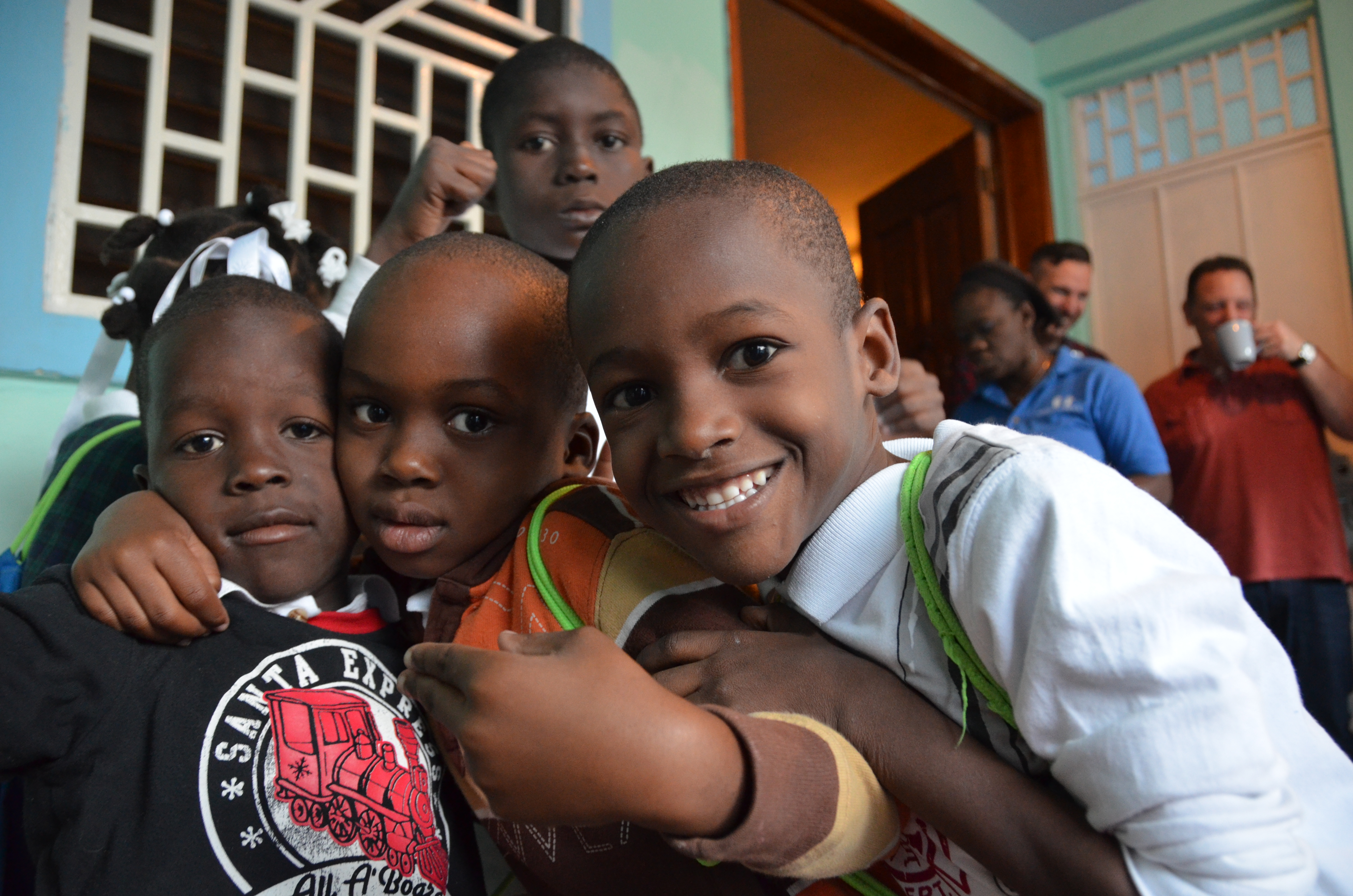
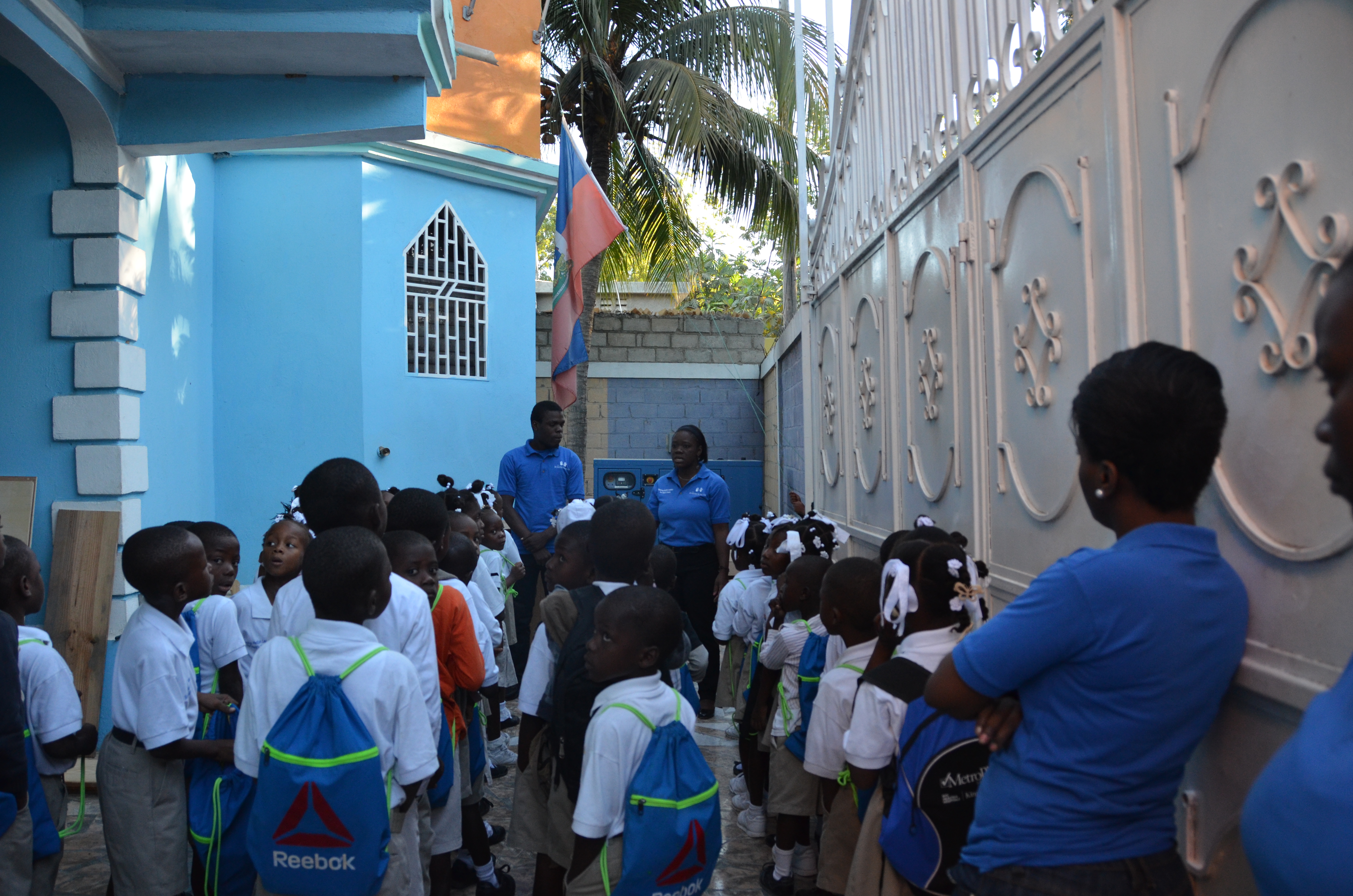
While there are many successful models of philanthropy, Bryson and his team provided us with an up-close look at a model that has been very successful in serving a community in Haiti. His approach has been to not just build a school but serve an entire community. The Joseph School provides students with meals twice a day; shares meals with surrounding schools; administers health screenings; spearheads community projects; rebuilds homes and shelters; provides transportation; and employs parents of students in its operations. The school is built on a philanthropic model of providing some aid with a heavier focus on investments in the potential of the individuals in the community. One mom of a student put it best when she said, “The Joseph School is not a handout, but a hand up.”
Supporting the efforts
Our group included individuals from all over the political and spiritual spectrum. In a time when most people are shutting out others who are not of like mind, we were all able to clearly see and rally around the power of properly-executed philanthropy and the impact it makes on the lives of people. As a research community, let’s come together and support the efforts of one of our colleagues who is changing the lives of people in Haiti.
We can all make a difference in a child’s life by investing in their potential. It is as little as $38 per month to sponsor a child at the Joseph School. To learn more and sponsor a child, visit thejosephschool.org or MREF’s Web site www.mrgivesback.org.