
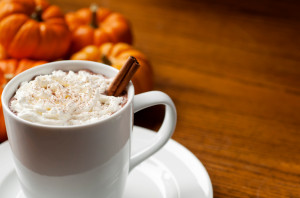

I’m far from the only one obsessed with the pumpkin flavor trend. Twelve years after Starbucks put the pumpkin spice latte (PSL) on the fall menu, it’s safe to say that pumpkin-flavored anything and everything has become a cultural force. Pumpkin products accounted for $361 million in sales last year alone and have grown 79 percent since 2011.
This year Starbucks’ PSL made a splash in the news with the inclusion of real pumpkin and the removal of caramel coloring. It was never a secret to me that the pumpkin-craze is really based on the spice and sugar mix we all associate with pumpkin, so I have to admit I found it odd that the PSL was called out for questionable ingredients and lack of real pumpkin. Even New York Magazine said in 2012 that, “The weird thing about pumpkin’s rise to bacon-like ubiquity is that pumpkin, on its own, is not a very appetizing food at all.” While it’s too soon to tell if the addition of real pumpkin will impact sales dollars, I’ll be interested to see if the tweak does make a difference.
Starbucks’ isn’t the only one making changes during pumpkin season. The flavor that was once limited to pie fillings, lattes and craft beers has spilled over to pet treats, baby food, chewing gum and even vodka. According to a study from Nielsen, 37 percent of U.S. consumers purchased a pumpkin-flavored product last year. Pumpkin pie filling is still the top pumpkin product, with $135 million of sales in the last year, followed by cream and coffee. Niche products like pumpkin-flavored peanut butter and chewing gum all sold about $1 million each last year.
Pumpkin-flavored goods show no sign of slowing down as the demand for new items continues to rise. How long do you think Americans will embrace the great pumpkin invasion? What other flavors should be noted for having a cult-like consumer following?