
Editor’s note: Lauren Bandy is senior nutrition analyst at market research firm Euromonitor International, London. This is an edited version of a post that originally appeared here under the title, “Sugar and soft drinks get a taste of the Jamie Oliver effect.”
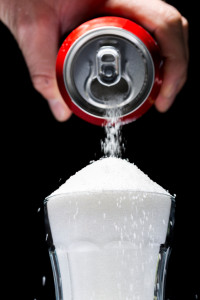
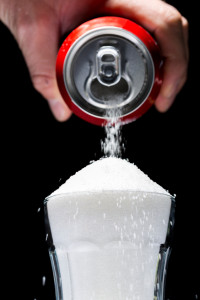
The overall point that Jamie Oliver is trying to make – that something needs to be done to curb the U.K.’s excessive consumption of sugar in order to control overweight and obesity and diet related disease – is a valid one. The U.K. Government recommends that people aged 11 years and older consume no more than 30g of added sugars a day, yet data from Euromonitor International shows that the average U.K. consumer purchases 93g of sugars, or 23 teaspoons, from packaged food and soft drinks, with 21g, or five teaspoons, coming from soft drinks alone.
But is the answer to tax soft drinks? The industry argues not, as it targets one product category when others contribute to sugar consumption too. And they do have a point, given that the average U.K. consumer purchases 22g of sugar a day from bakery products (including cakes, biscuits and breakfast cereals), 17g from confectionery and 14g from dairy. Evidence from countries that have imposed a tax, including France and Mexico, suggests that raising the price of sugar sweetened beverages – you can buy two-liters of own label supermarket cola which contains 150g of sugar for as little as 50 pence in the U.K. – does reduce consumption. Whether this single action significantly reduces diet related disease is yet to be seen.
Amount of sugar purchased by the average U.K. consumer by category, expressed in teaspoons

What about putting teaspoons on the label? Anecdotally, it’s simple to say that expressing the amount of sugar in a product in terms of teaspoons is easier to understand and would no doubt deliver a shock factor. However, do consumers know how many teaspoons of sugar they’re supposed to consume a day? Is it really easier than understanding grams? Would labeling in teaspoons really lead to reduced consumption of soft drinks and sugar? And would this in turn lead to a reduction in diet related disease? These are questions that first need answering with some sort of scientific evidence. While Jamie Oliver might be a bit premature in suggesting the teaspoon label as a viable improvement to current labeling, he’s certainly not the first to suggest a tax on sugar sweetened beverages; campaign groups, public health researchers and medical professionals have all done the same in the last few years. The difference, of course, is that celebrity sells.