
I’m back in the office after a fun and engaging three days in Orlando, Fla. attending the 2015 QRCA annual conference. I truly enjoyed my time at the event and I must say that my fellow attendees were some of the most welcoming people I’ve ever had the pleasure of meeting!
It was easy to see the conference theme – a whole new world of research – in the sessions that I attended. From discussions focused on the changing role of the qualitative researcher to new technology and how to leverage mixed methods, it was clear that presenters were focused on making the most of the shifting research landscape.
Several presentations focused on how new tech will shape the future of qualitative research. In their two respective talks, presenters Ricardo Lopez and Mike Courtney looked at how current technology has evolved in a way that adds depth to traditional qualitative methods. In his session, The Future of Qualitative: You Better Learn to Be a Techie!, Lopez provided a high-level look at how future technologies will impact qual’s role, what steps researchers should take to prepare for the shift and which technologies should be watched and incorporated today.
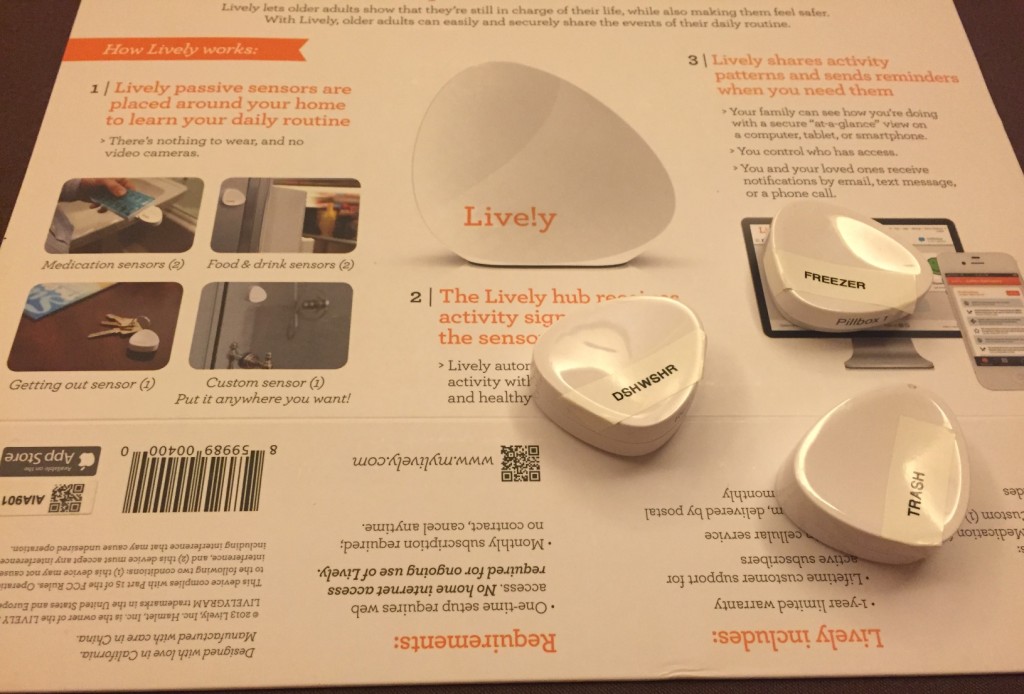
While also tech-focused, Courtney’s session looked at how present-day tech – dash cams; Narrative Clip 2; the senior medical alert device, Lively hub (shown below); and more – can be repurposed for conducting qualitative research. Courtney started the session off by asking the audience how much they thought a basic dash cam (recording both video and sound) would cost, including shipping. The guesses ranged from $90-to-$200 and there were audible gasps when he announced it could be purchased for $60. Based on this initial audience reaction, the number of questions asked during Q&A and the line-up to talk to Courtney after the session ended, the interest in leveraging DIY ethnography techniques that incorporate “non-MR” devices is quite high.
While Lopez and Courtney’s presentations focused on different areas of qual tech, the message from each was the same: Regardless of the power of technology, qualitative researchers will always be needed for their ability to make sense of information gathered and – ultimately – to understand people.

Courtney shared how researchers can repurpose senior medical alert device Lively hub by using it as a DIY digital ethnography device. Researchers ask participants to place the passive sensors in homes to be used to monitor the use of items such as freezers, dishwashers and trash bins.
I’ll be sharing a few more tidbits on the blog from QRCA 2015 later this week!