
••• automotive research
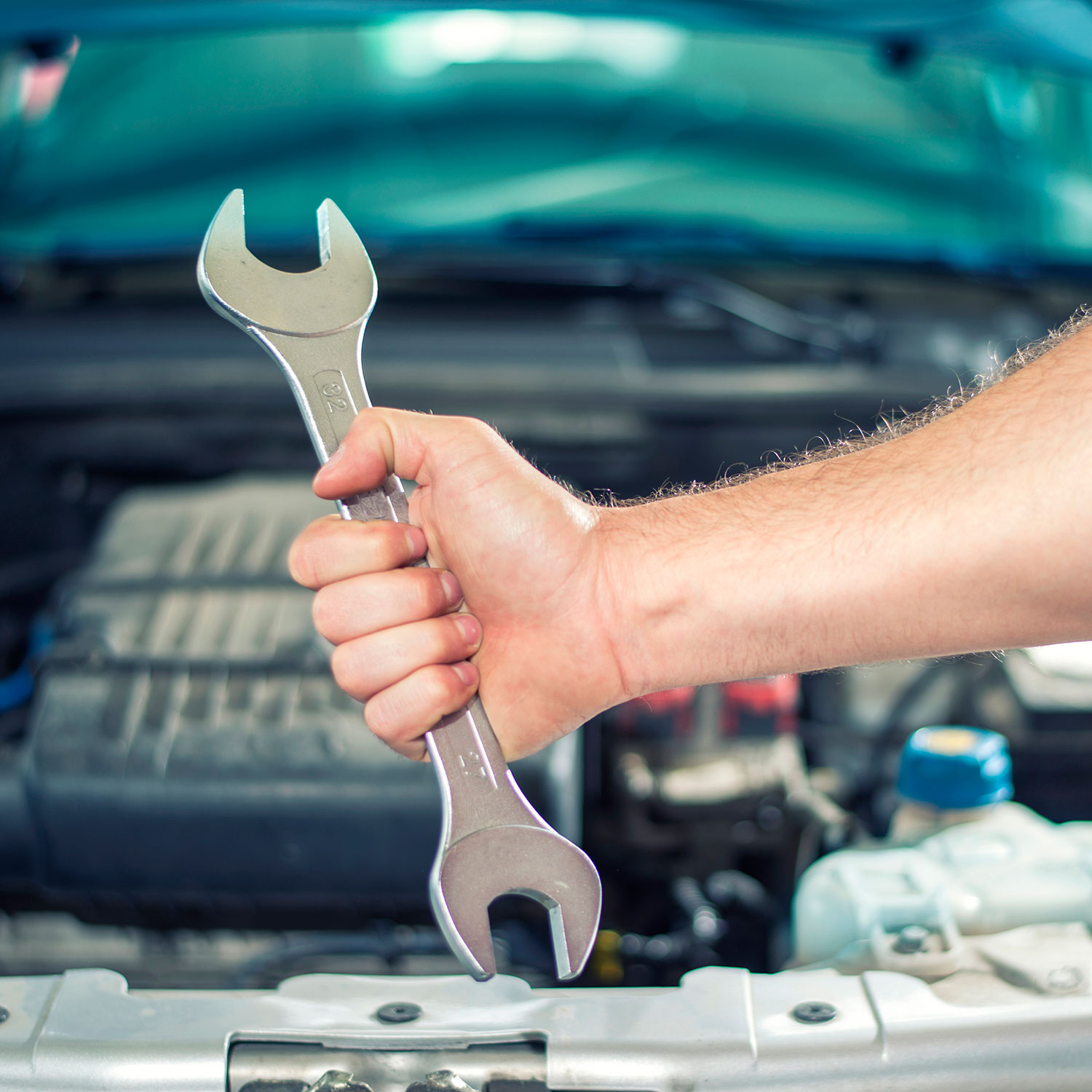
Most car owners have a trusted mechanic
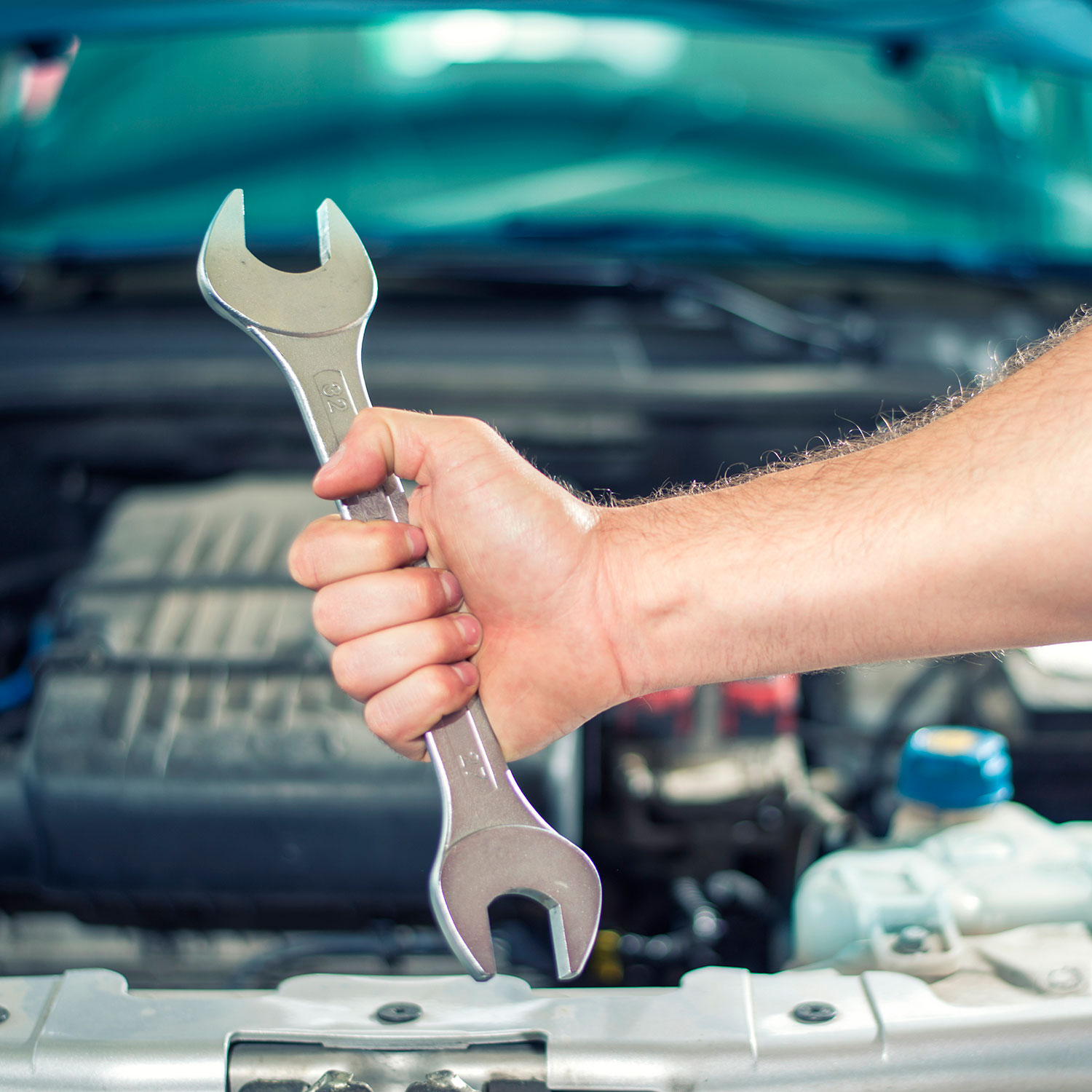
The top reasons that U.S. drivers do not trust repair shops are pretty much as expected: recommending unnecessary services (76 percent); overcharging for services (73 percent); negative past experiences (63 percent); and concerns that the work will not be done correctly (49 percent).
Older drivers are more likely to trust auto repair shops than younger drivers. Baby Boomers are twice as likely as younger generations to fully trust auto repair facilities in general, with one in five reporting they “totally trust” the industry. Baby Boomers (76 percent) are also more likely to have a chosen auto repair shop that they trust compared to Millennials (55 percent) and Gen Xers (56 percent).
With today’s cars collecting a variety of data about the health of the vehicle, drivers need a trusted repair fa-cility more than ever. Connected cars with built-in diagnostic capabilities can alert drivers to vehicle trouble and help repair shops quickly and accurately address issues. Unsurprisingly, given concerns around data security, AAA found that the majority of U.S. drivers want the ability to direct their vehicle’s data to the repair shop of their choice – the trusted facility with whom they have built a relationship.
••• travel research
Travelers love their tech
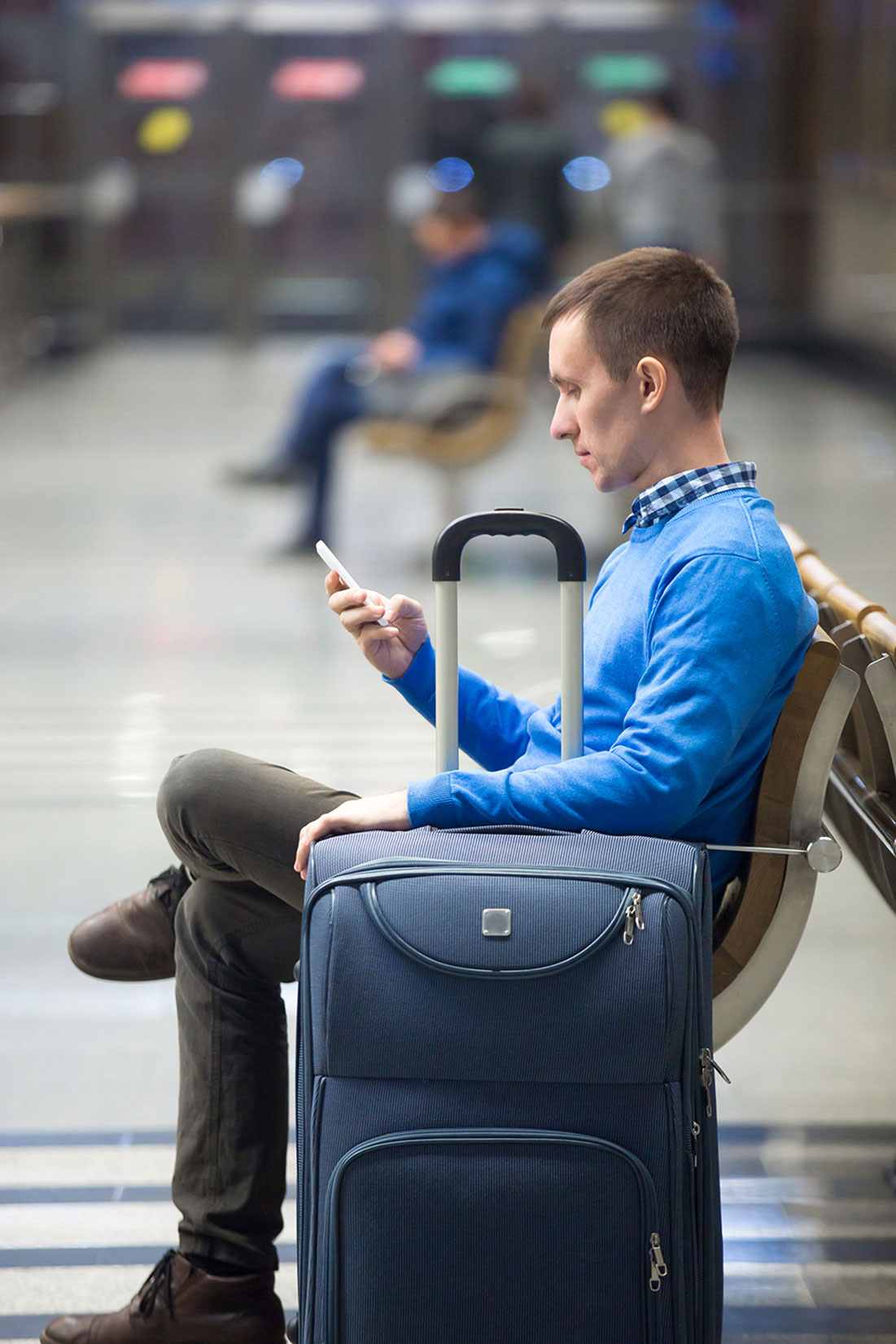
Survey respondents cited smartphones (64 percent), digital cameras (61 percent), tablets (27 percent) and laptops (17 percent) as the tech they use most on vacation. Additionally, almost half of respondents prefer a travel experience customized to their preferences and more consumers are willing to share personal information for travel providers to create a more customized experience.
Among the most valued travel-related experiences were time with family and friends (40 percent), experiencing new cultures (28 percent), visiting new places (22 percent) and adventurous activities (14 percent).