••• advertising research
Study links ad interactivity to brand connection
 In Los Angeles, audience technology company YuMe Inc. and researcher Ipsos have released a new study showing that interactive ad features significantly increase attention, recall and message breakthrough. The study was predicated in part on the concept of implicit reaction time, which measures how quickly and closely a respondent’s brain connects networks of associations that are the foundations for images, feelings and intentions. A faster user response indicates a stronger and more emphatic connection with a brand or product and, therefore, a higher conviction to purchase it. Interactive ads, according to this theory, succeed in these case studies because they increase certainty, illustrated by a shorter reaction time, and thus facilitate higher conviction and less inhibition. The study presented people with 11 different ad formats, representing five brands, on PCs, mobile phones and connected TV sets, finding positive impact of interactivity on ad engagement. The findings show that a positive media experience increases the chances for higher ad transference, resulting in stronger brand impact. The more interactive the ad units, the greater the impact on conviction across all brand associations. As a result, the level of interaction can potentially create stronger brand associations and connections.
••• shopper insights
Millennials can’t wait to spend gift cards
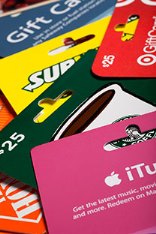 A survey by the International Council of Shopping Centers, New York, shows that of all age groups who received gift cards during the last holiday season, Millennials, at 31 percent, were the quickest to redeem them, doing so by January 2016, compared to only 23 percent of Baby Boomers. Millennials are also the most likely to purchase additional items when redeeming gift cards (64 percent). This includes spending on additional items in the same store where they redeem their gift card or picking up an online purchase in store and even making purchases at stores for which they did not have gift cards to redeem. Two-thirds (66 percent) of all American adults received gift cards during the holiday season. The most popular gift cards were for full-service restaurants (29 percent), followed by discount stores (26 percent), general Visa/MasterCard/American Express (21 percent), coffee/fast-food (19 percent), online-only (18 percent), traditional department stores (14 percent) and electronics (10 percent).