
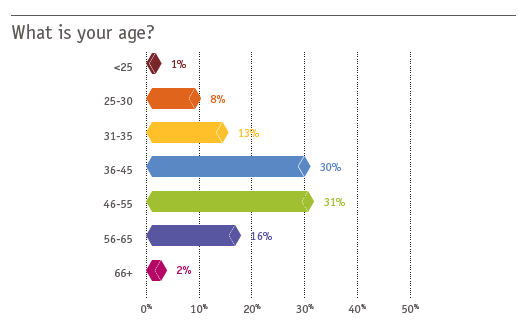
This year, instead of writing our traditional salary survey article, we’re letting the data speak for itself, with a few tidbits and respondent comments sprinkled throughout. If you’d like a more detailed look at the salary survey data (as well as supplier salary data), it is available online and is searchable by job title, location and more: www.quirks.com/tools/ salary-survey
So where is the research industry today?
Demographics
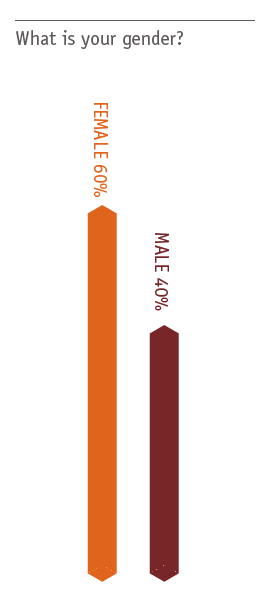
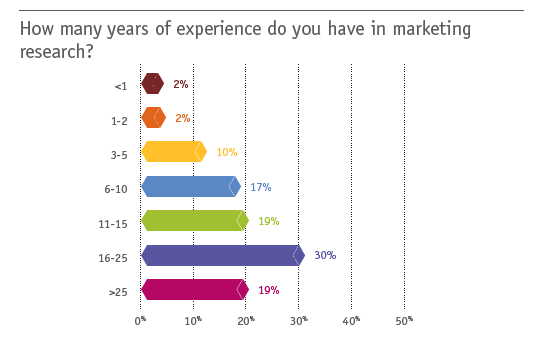
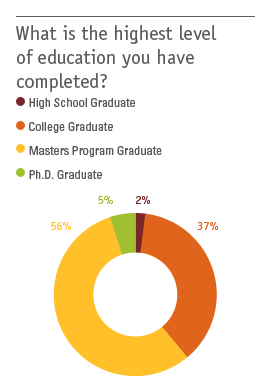
In 2016, we found a larger percentage of employed client-side respondents were women as compared to men, and made note to watch this trend. The 2017 survey showed a very similar breakdown. In both the 2016 and 2017 surveys, for those over age 66, men exceeded women, and for those under the age of 35, women exceeded men by more than 30 percent.
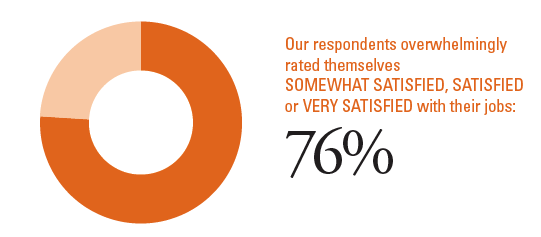
Job satisfaction
“We get a $25 gift card to a local restaurant on our work anniversary and our birthday each year … I have been with my company for 28 years.”
“On-site gym, separate work phone, health care services, etc.”
“Included free parking, as well as in-house fitness center and discount mobile service.”
Compensation
“I’m underpaid and I know it.”
"I do feel the market has been very stagnant here in Australia. Pay raises esp. in the media industry have been scarce to none.”
“I successfully made the case last year for a promotion and pay raise. Received a bump of $10K. You have to ask!”
“My company finally came through on the promise to better level my base (salary) with (similar) roles in other companies.”
“My salary is as much about my longevity as it is the organization valuing the position.”
Changes in employment
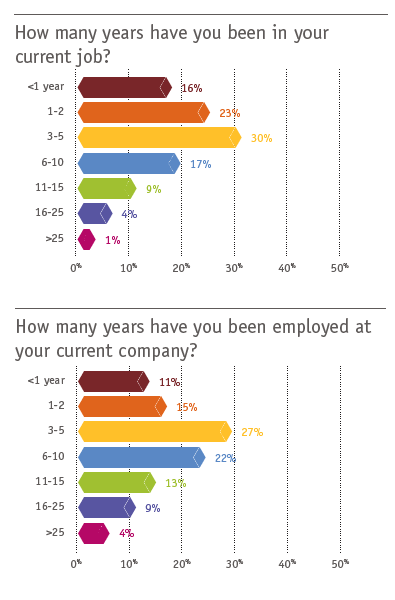
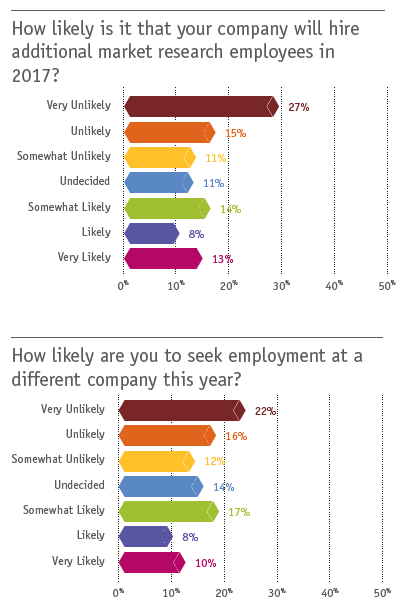
While members of the research industry have gone through rashes of wanting to change jobs, they reminded us again this year that as the grass isn’t always greener on the other side. Only 35 percent of respondents said they are somewhat likely, likely or very likely to look for work at another company this year. This should be good news to job seekers and employees alike, as 35 percent of respondents said it was somewhat likely, likely or very likely that their company would hire additional marketing research employees in 2017.
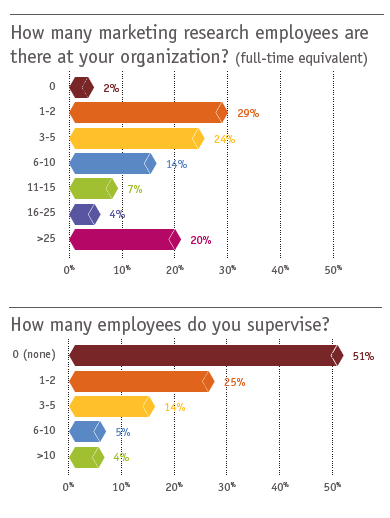
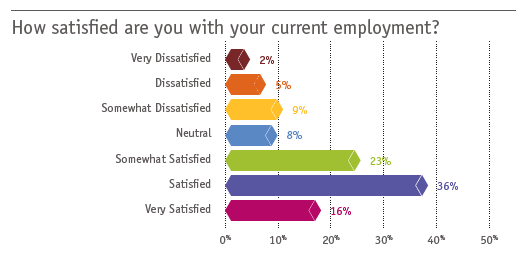
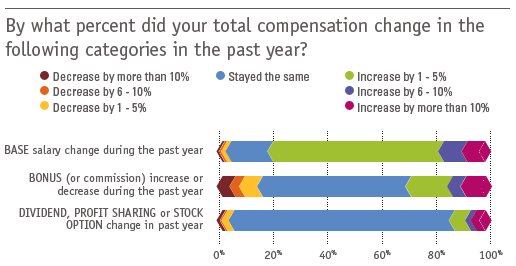
After nine years of collecting data, it’s clear that corporate researchers are still finding employment options that provide fair compensation and job satisfaction.
The survey has so much more to offer than we can include in this report and we encourage you to dig deeper on your own.
Don’t miss the opportunity to review a complete breakdown of compensation for all job titles, including crosstabs by age, gender, location and more.
Simply visit www.quirks.com/tools/salary-survey and start digging!
Methodology
The Corporate Researcher Report work life and salary survey was conducted online from June 5 to June 23 among pre-qualified corporate marketing research (client-side) subscribers of Quirk’s. In total we received 861 usable qualified responses. An interval (margin of error) of 3.3 at the 95 percent confidence level was achieved. (Not all respondents answered all questions.)