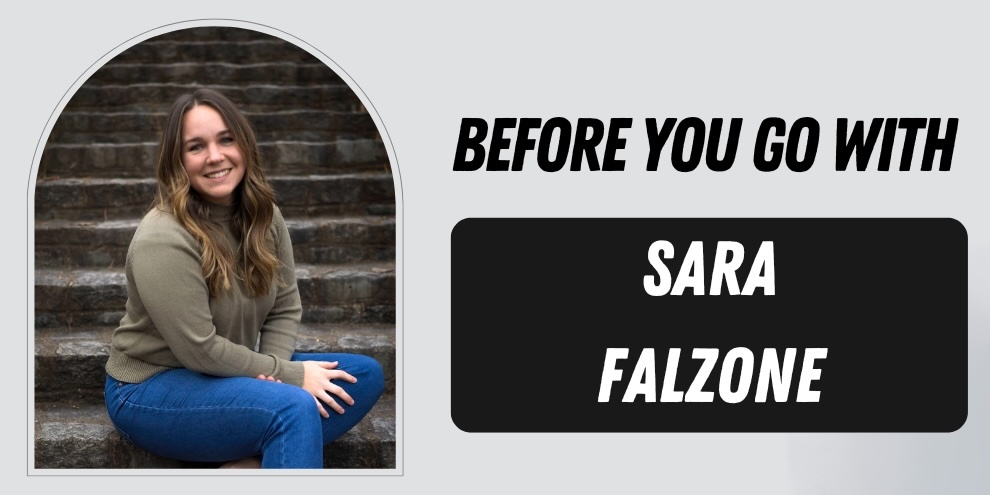
Q&A with a client-side researcher
Editor's note: If you're an end-client researcher and interested in participating in a Q&A with Quirk's, please e-mail me at emilyk@quirks.com.
What’s your top tip for improving collaboration between client- and supplier-side researchers?
One of the biggest differences between client- and supplier-side research is the level of investment in how the research will be used. On the vendor side, as a researcher I relied on what the stakeholder told me, without full visibility into internal dynamics, competing priorities or broader business objectives. As a client-side researcher, I can tweak my research approach to dig deeper into the true business needs – sometimes even uncovering insights that help multiple teams or solve adjacent challenges. I think the best way to improve collaboration is for clients to provide more strategic context upfront and for vendors to ask bigger-picture questions rather than just focusing on execution of the question at hand. When both sides are aligned on the bigger “why,” the research becomes more impactful and ultimately more valuable to the business.
How do you translate consumer insights and emotions into compelling narratives that ultimately guide business decisions?"
Translating consumer insights into compelling narratives starts with empathy. It’s not just about what consumers say but understanding what they feel and why it matters. Data alone doesn’t drive action; storytelling does. I focus on framing insights in a way that connects with stakeholders on both a rational and emotional level. That means going beyond charts and numbers to bring insights to life through real consumer voices, stories and immersive experiences.
Whenever possible, I like to involve stakeholders, sometimes future stakeholders, in building the narrative. Whether it’s through workshops, debrief sessions or firsthand exposure to consumers, this involvement deepens their connection to the insights and makes the findings more actionable. When stakeholders feel personally invested in the story, they’re far more likely to champion the consumer perspective in decision-making. The goal is always the same: making insights impossible to ignore and easy to act on.
Can you share an example of a time you used ethnographic research to uncover insights beyond what consumers say, focusing on their behaviors and actions?
First, I'm a huge fan of qualitative research and always want to conduct it whenever possible to uncover the nuances between stated and actual behavior. There’s always a gap between what people say they do and what they actually do, and qualitative research – especially ethnography – is one of the best ways to bridge that gap.
One methodology I love is friend group ethnographies or focus groups, where we recruit a person who fits our screening criteria and ask them to invite a few of their friends. Typically, we have the group gather at the host’s home, where we join them to conduct a group interview in a familiar, relaxed setting. I love this approach because friends tend to keep each other honest. Unlike a traditional focus group, where participants may filter their responses to impress the moderator or fit social expectations, friend groups introduce a layer of realness. There is little room to misrepresent yourself in the presence of people who know you well.
What makes these sessions so valuable is the natural dynamic that emerges. Friends build off each other’s experiences, challenge each other’s exaggerations and remind each other of past behaviors they may have forgotten. This often leads to richer, more candid discussions and unexpected insights that wouldn’t surface in a traditional research setting. It’s a fantastic way to get closer to how people truly think, behave and make decisions in real life.
What led you to a career in marketing research?
I have always considered myself a curious person and have a million questions all the time. So naturally, learning about what drives people, the problems they have and how companies can solve those problems is a space where I thrive. When I got to business school and majored in marketing, I was exposed to market research and instantly fell in love. It was then I realized that I didn’t just want to collect data; I wanted to understand the why behind it. Research gives me an outlet for that curiosity in a way that’s productive and impactful.
What keeps me in this field is the constant discovery. I love learning about people, how they think, what they don’t say and the tensions that shape their decisions. Whether it is observing real-life behavior, uncovering unmet needs or translating insights into action, every project brings something new. The most rewarding part is seeing those insights influence real business decisions and create better experiences for consumers.