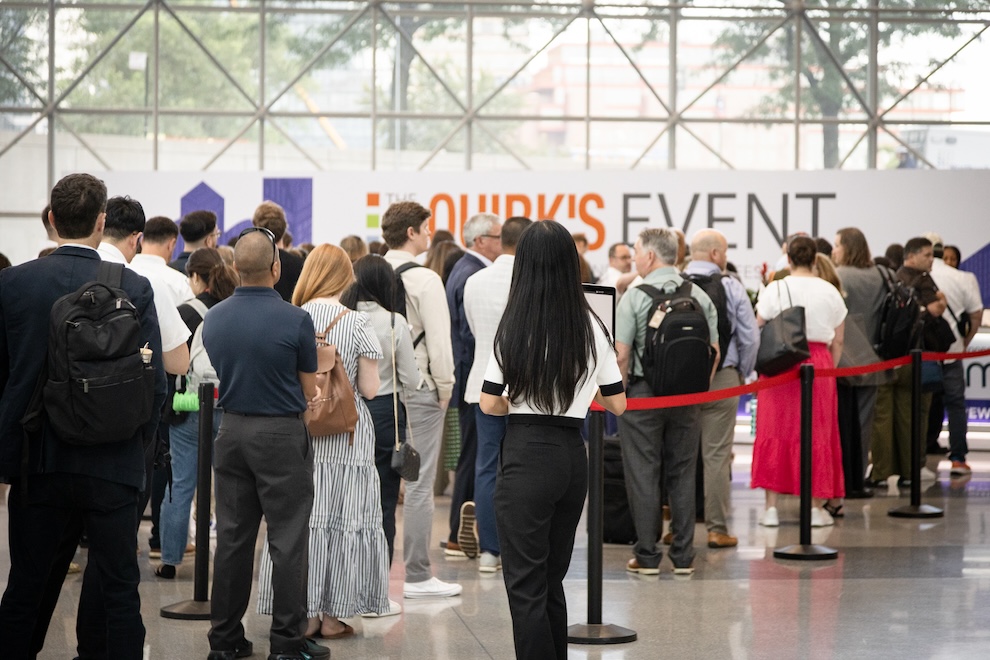
Highlights from the 2025 Quirk's Event - New York
As consumers demand more from brands, marketing researchers must be more strategic, intentional and informed than ever. The Quirk’s Event – New York, held July 23 – 24, brought together research and insights professionals to explore how consumer expectations, emerging technologies, cultural undercurrents and more are reshaping the industry.
From AI accountability to brand authenticity, sessions spanned a range of topics. This article highlights key takeaways from several sessions attended by Quirk’s staff.
Managing brand communications
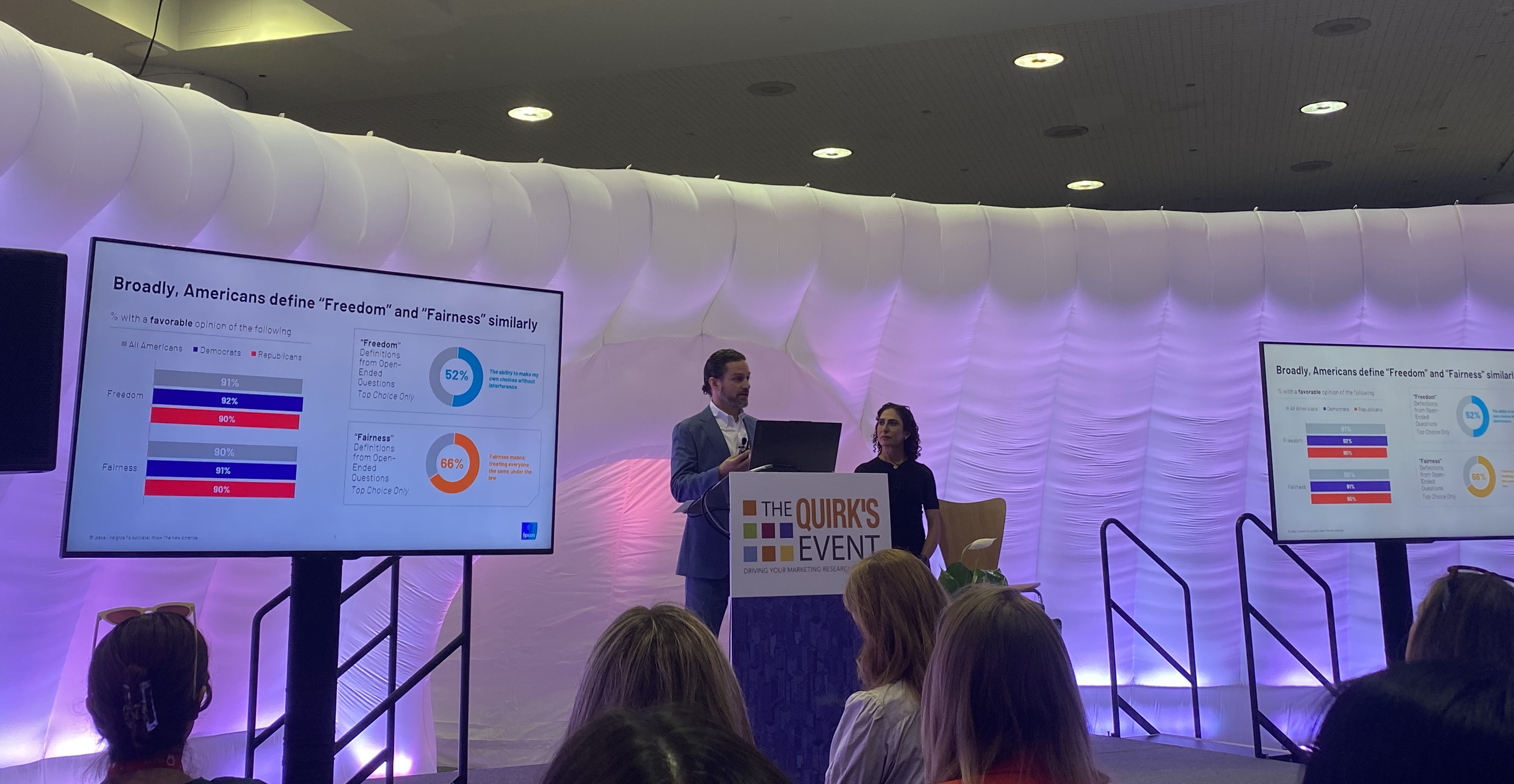
Americans are experiencing historic levels of distrust in institutions – and their opinions are more nuanced than ever. These shifts are reshaping how brands must communicate.
In the session titled “Knowing the New America: Managing your brand communications when words matter more than ever,” speakers from Ipsos discussed these topics and shared findings from the company’s new initiative, “Know the New America.”
Today, consumers expect brands to speak out on the issues that matter to them – making the words brands use to communicate matter more than ever. Ipsos shared four ways to activate brands in the new America:
- Know your authentic brand: Craft consistent messaging that stays true to your brand’s core values.
- Determine who is and is not your audience: Being clear about who you are focused on and the issues you support will help decide which risks to take.
- Know the issues that could affect your brand: Identify and poll your audience on the political issues that could affect your brand. This will allow you to better understand which matters to focus on.
- Test your strategies to understand nuances: Not only will this help in finding the key issues but also the various sides of the issues and the language that will resonate most with your audience.
As consumers expect more meaningful engagement from brands, communication isn’t just about saying the right thing – it’s about understanding who you’re saying it to, and why it matters.
Rethinking partnerships: From research vendors to collaborators
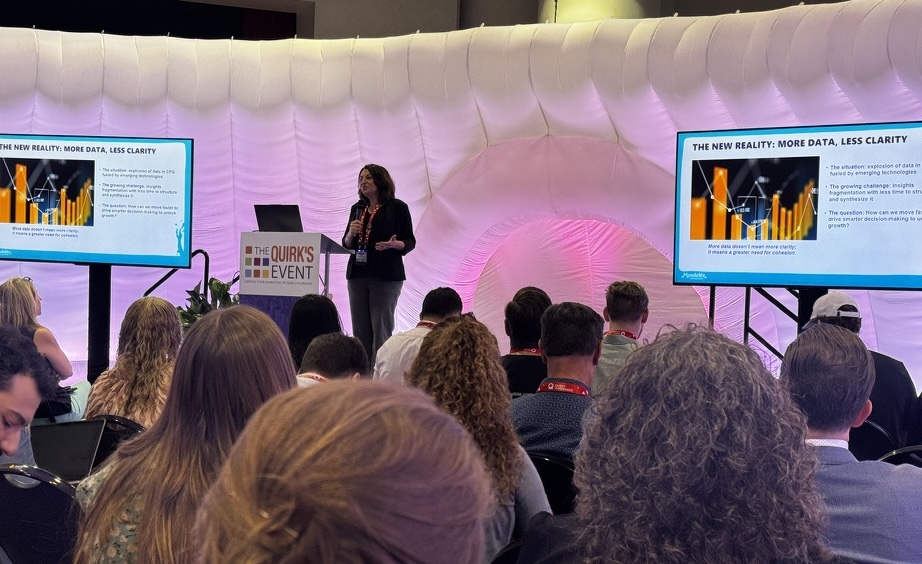
Michelle Gibb, Mondelez International, was looking to have more impact and improve the team’s insights game. She decided the most important step was to move from transactional to deeply collaborative agency relationships.
In her session, “Evaluating partner collaboration: Working together for success,” Gibb shared a simple yet bold move – inviting all of her agency partners, even those traditionally viewed as competitors, into the same room for a one-day workshop.
The goal?
To create a shared vision and collective accountability for delivering stronger insights.
The result?
“By simply asking our vendors to collaborate, we found they were incredibly open to doing it,” Gibb said. “It’s just nobody ever asked them.”
The workshop brought everyone together and allowed Mondelez to share out its vision: the brand needed agencies on the journey with them.
The agencies involved, along with Gibb, hope this case study of collaboration inspires other brands to create new ecosystems, bringing all superpowers to the table and amplifying the powers of everyone involved.
For clients, that means setting expectations, defining roles and asking for collaboration upfront. For agencies, it’s about embracing partnership, even in shared spaces.
Omnichannel advertising
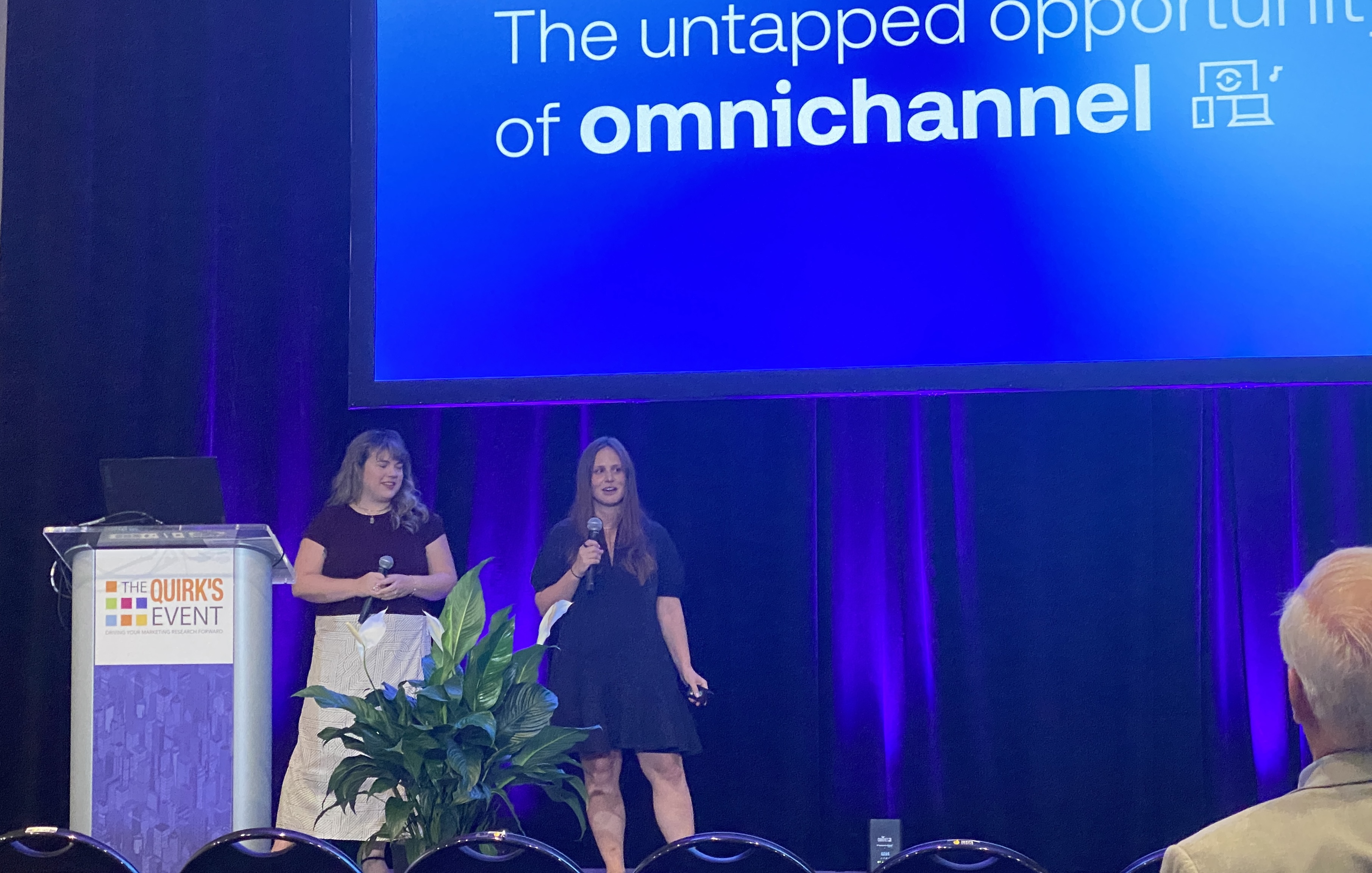
The Trade Desk walked through a recent study on the effectiveness of multichannel vs. omnichannel advertising. The session, “The untapped opportunity of omnichannel advertising,” detailed how the team took a multi-step approach to this difficult topic due to its subconscious processing and industry-specific jargon.
The study was split into four parts:
- Rapid evidence assessment: The Trade Desk team looked into the current industry knowledge on multichannel and omnichannel advertising to ground their research.
- Dynamic engagement space segmentation: The team sent out a 20-minutes quantitative survey to people in the U.S., U.K. and Germany. The survey looked at the needs and priorities of channels across different media moments and mind-sets.
- Ethnographic media diary: Over the course of five days people in the U.S., U.K. and Germany completed a qualitative diary allowing researchers to capture in-the-moment interactions with media across multiple channels all day.
- Experimental neuro testing: Controlled, in-person tests in the U.S. and U.K. explored the neurological response to omnichannel campaigns vs. disconnected.
The Trade Desk team found that omnichannel ads had an edge over multichannel ads. The omnichannel campaigns were 1.5 times more persuasive than multichannel and had a 2.2 times lower cognitive load on consumers.
The team also shared a strategy for creating an omnichannel ad campaign called the Three Ms: mind-set, moments and media.
For example, the team identified nine core media mind-sets – such as “boredom fix,” “keep informed” and “chill time” – that reflect how consumers engage with content throughout the day.
Pairing these with key media moments (like “daytime home,” “on public transport” or “family night”) helps brands reach people when and where they’re most receptive.
By understanding the intersection of a consumer’s mind-set, their context and the media they’re consuming, brands can craft messaging that lands more effectively.
Knowing when, where and how people engage with media is essential to creating a campaign that truly connects.
AI adoption hinges on functionality and transparency
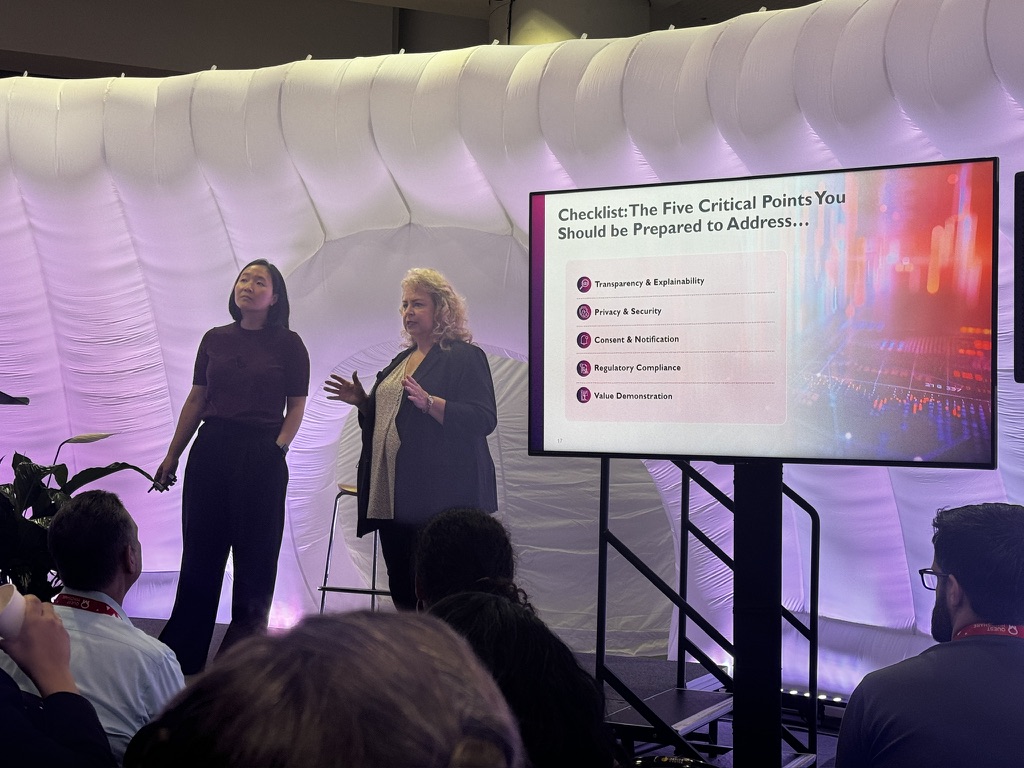
When it comes to AI and marketing research, speakers Elle Park and Lisa Courtade made it clear: flashy demos aren’t enough.
In their session, “Please don’t sell me your AI tool…unless you can answer these five questions,” the two offered a look at what client-side researchers are really thinking when agencies come to the table with AI solutions – and the tough questions they need answered before moving forward.
- Can you explain how your AI reaches its conclusions – in plain language?
- What’s your approach to consent?
- How are you safeguarding respondent and stakeholder data?
- Are you ready for an audit – or a subpoena?
- What measurable value will this AI capability actually deliver to our business?
Park and Courtade emphasized that while agencies may see AI tools as exciting innovations, clients often see risk – particularly in heavily regulated industries like health care.
“Where you see a really cool product that you can pitch us, what we see is a lot of hurdles, a lot of meetings, a lot of suspicious faces asking why you’re trying to fix something that isn’t broken,” said Park. “So, we have to convince them. We have to convince them that our very proprietary and sensitive data is safe.”
Courtade pointed to many sub questions around data quality: How did you train it? Where did that data come from? What data gives us a reason to believe it does what you say it does? And when you use it, how do you assure the quality of that data?
Ultimately, AI adoption hinges not just on functionality but on transparency, accountability and measurable ROI. Brands are looking for agency partners who bridge the gap between promise and proof.