
Youth marketing needs to grow up
Editor’s note: Kurt Stuhllemmer is a European partner at Hall & Partners with 18+ years of experience in brand and communications research. He helps global organizations turn consumer insight into clear strategy, stronger brands and better customer experiences.
Governments around the world are tightening controls on young people’s access to social media, with Australia leading the way as the first country to introduce a nationwide ban on accounts for under-16s and several European markets, including the U.K., Spain, Denmark and Portugal, actively considering similar legislation. The debate has reignited anxiety across marketing teams, with fears of lost reach and cultural disconnection dominating industry commentary. In the United States, proposals have been tabled at both federal and state levels, but a national ban remains unlikely in the near term amid political and legal challenges.
The real risk isn’t regulation itself; it’s clinging to a youth marketing model that prioritizes speed and efficiency over responsibility and long-term brand value. If age-based restrictions do arrive in more markets, he argues, it may not signal the end of youth marketing, but rather the moment it is finally forced to grow up.
Every few months the idea of restricting social media for under-16s resurfaces, usually accompanied by hand wringing from platforms and quiet panic in parts of the marketing industry. If the U.K. and other countries were to introduce a ban, the immediate narrative would be predictable. Brands would lose access. Creators would lose income. Youth culture would vanish overnight. In reality, none of that is quite as simple, or quite as true.
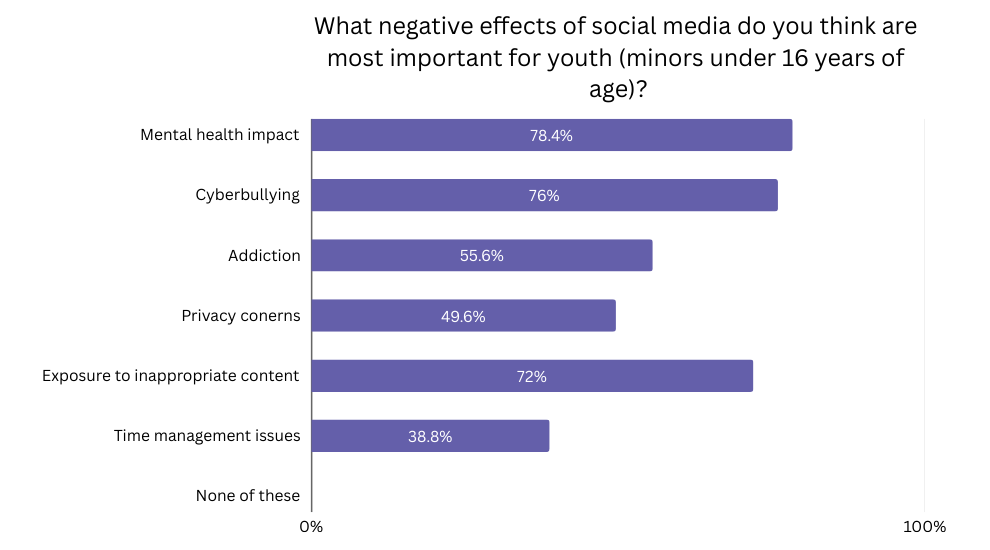
Public sentiment suggests the concern is real and growing, according to research from Hall & Partners. In recent consumer polling, nearly eight in 10 respondents (78%) identified mental health impacts as the biggest risk of social media for under-16s, followed closely by cyberbullying (75%) and exposure to inappropriate content (72%). This is not a fringe debate. It reflects a broad perception that the current model is doing more harm than good.
This isn’t about restriction; this is about well-being and protection. A social media ban for under-16s would not signal the end of youth marketing, however. What it would signal is the end of easy youth marketing, and that distinction matters.
For the last decade, brands have grown accustomed to the efficiency of youth reach. Algorithms did the heavy lifting, creators carried the cultural credibility and marketers could measure success in views, likes and fleeting moments of relevance. The problem is that efficiency slowly replaced responsibility, and speed replaced strategy. A ban would force a long-overdue reset.
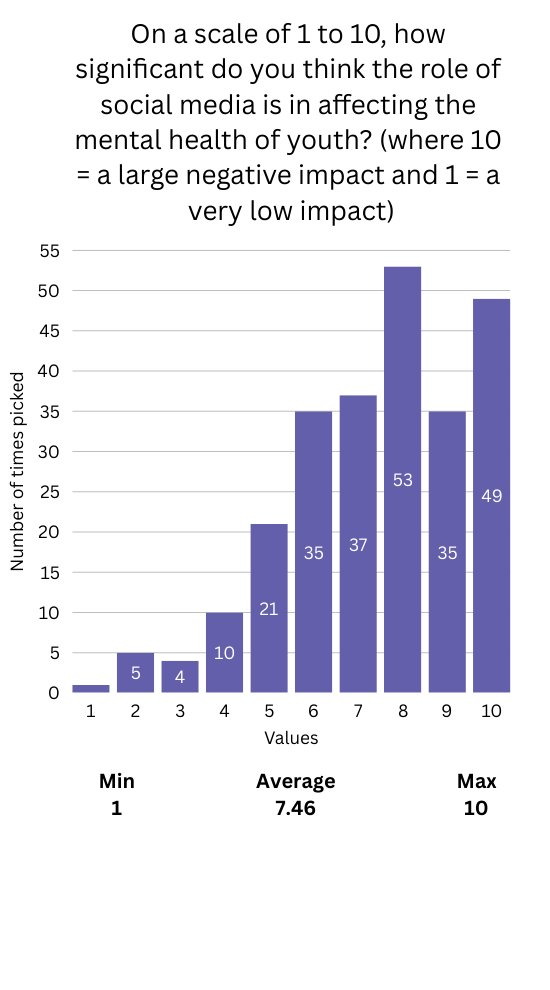
This urgency is reinforced by how severe consumers believe the issue has become. When asked to rate social media’s negative impact on youth mental health, respondents gave an average score of 7.46 out of 10, signaling that this is widely seen as a material societal challenge rather than a marginal concern.
Youth culture does not live exclusively on platforms – it never has. It lives in bedrooms and school playgrounds, in sports clubs and gaming worlds, in music, fashion and family kitchens. Social media has been a powerful amplifier of youth culture, not its sole creator. Removing one channel does not erase the audience. It simply means brands must earn their place in culture again rather than renting it by the click.
For brands, the biggest shift would be psychological rather than tactical. This would accelerate a move away from performance thinking and towards long-term brand building. When direct targeting is restricted, the only way to remain relevant is to become meaningful. Trust, familiarity and values suddenly matter more than optimization. That is not a weakness; it is an opportunity.
Regulation doesn’t kill creativity – it reshapes it
We have seen this pattern before when we look at regulatory initiatives used to classify foods that are considered less healthy based on their nutritional composition. Take HFSS (high fat, salt and sugar) regulations in the U.K. for example. It did not kill food advertising, instead it forced brands to rediscover emotion, humor and storytelling. The same dynamic would likely play out here. Brands that instinctively fight the regulation will look defensive and out of step. Those that welcome it and reframe their role will quietly build long-term equity.
There is also a misconception that creators would be the biggest casualties. In practice, influence does not disappear, it evolves. Younger creators may face limits, but older creators, family creators, educators and community figures become more important. Influence becomes more accountable, less extractive and more rooted in real expertise or shared experience. That may be less viral, but it is often more trusted.
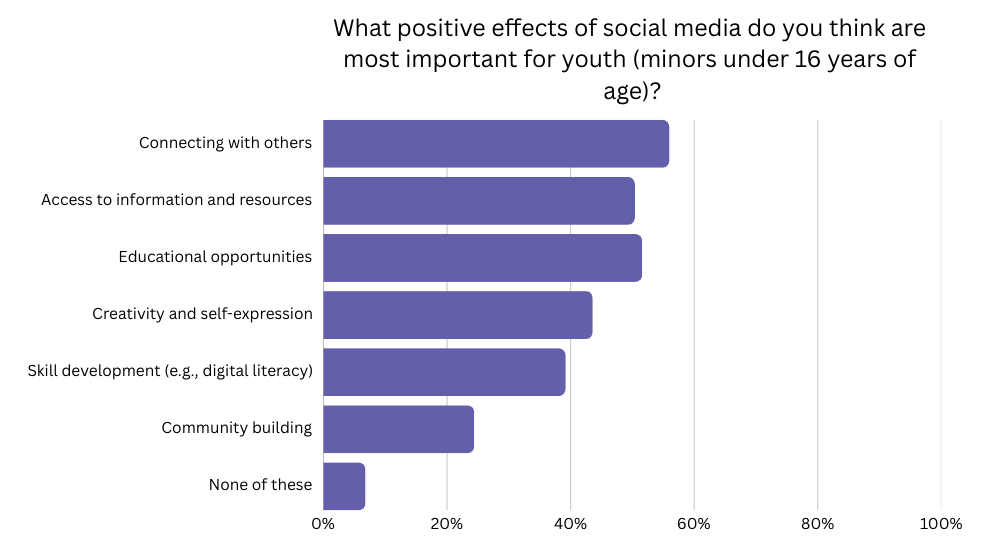
Importantly, this does not mean young audiences lose all value from digital platforms. Over half of respondents (56%) still cite connection with others as a key benefit of social media, while around half highlight access to information (50%) and educational opportunities (52%). The challenge for brands and policymakers is not to erase these positives, but to preserve them while reducing harm.
This shift would also push brands away from talking at teens and towards designing brand worlds that work across generations. The most resilient brands already do this; they create products and stories that parents feel comfortable buying and young people feel proud to engage with.
Lego is a fantastic example of a brand that gets this right. The company builds timeless brick worlds that unite parents and teens in shared creativity, creating products parents trust and youth proudly own. Patagonia offers a different perspective on building engagement through values. Crafting compelling stories around environmental activism and quality gear that lasts, inviting parents and young people alike to rally behind shared values like sustainability rather than fleeting platform trends.
In a world of tighter regulation, values-based targeting replaces age-based targeting. If a brand stands for something clear, its story can travel further than any platform ever could.
We would also likely see a quiet renaissance in channels that never fully disappeared but have been overshadowed by social media’s dominance. Experiential marketing, partnerships with sports and youth programs, gaming environments, retail theater and packaging all become more important. These are spaces where brands show up through experience rather than interruption. It is harder work, but far harder to forget.
Of course, not every brand would feel equally comfortable. Those built almost entirely on fast, trend-driven social commerce would feel the pressure first. If your brand only exists in a scroll, regulation exposes the fragility of that model. Brands with deeper roots in culture, purpose or community would feel less disruption and, in some cases, stand to benefit from reduced noise.
The ban brands didn’t know they needed
There is a wider cultural context here that brands cannot ignore. This debate sits alongside growing concern about mental health, screen time and the responsibilities of platforms. Consumers increasingly expect brands to behave like grown-ups, particularly when young people are involved.
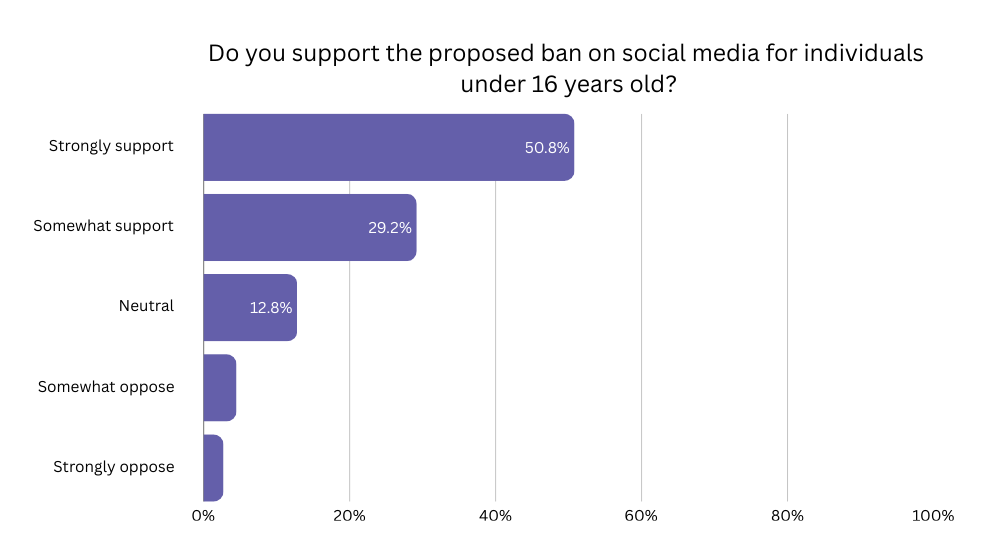
That expectation is reflected in policy sentiment. Nearly 80% of respondents support some form of restriction on under-16 social media use, with 51% strongly supporting a ban and a further 29% somewhat supportive. However, opinion is nuanced: 42% believe legislation should form part of a broader approach, compared with 38% who favor a strict ban. The public mood is not about blunt prohibition, but smarter intervention.
In that environment, being seen to prioritize well-being overreach is not just ethical, it is commercially and strategically smart.
The irony is that a ban designed to protect young people might also protect brands from themselves. It removes the temptation to chase every new format and every fleeting trend. It rewards patience, clarity and consistency; qualities the industry used to value more than it sometimes does today.
Looking ahead, it is entirely possible that in five years’ time this moment will be seen as a turning point. Not the moment youth marketing disappeared, but the moment it became healthier, more creative and more sustainable. Less about borrowing attention and more about earning trust. And perhaps that is no bad thing. After all, if your brand story cannot survive without an algorithm doing the heavy lifting, it may not be the algorithm that needs questioning.
Youth marketing is not ending. It is simply being asked to grow up.