
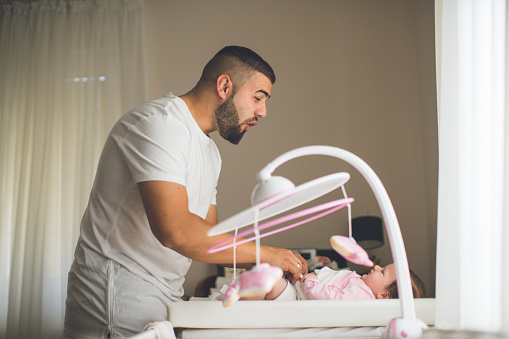
My husband baby wears. He washes bottles and changes diapers. He makes at least 50 percent of the decisions when it comes to what to buy for our infant son – be it onesies, wipes, toys or vitamins.
Since our son was born last year I’ve received dozens of mail and e-mail surveys and he hasn’t been sent a single one. While it’s possible more companies simply have my information than my husband’s (though we were both listed on our baby registries), I think it’s a shame that so many brands are missing out on his perspective.
According to research conducted by Google and Ipsos in 2016, Millennial dads are taking active roles as parents. Their top recommendation to brands looking to market to Millennials: “Don’t assume you’re talking to mom.”
Marketing to dads
Why is it so important for brands to understand Millennial dads? Millennial dads are making more and more of the purchasing decisions within households. Around 40 percent of Millennials are parents today, meaning that more than 32 million members of this generation are called mom or dad, and represent more than $1.3 trillion in buying power, according to a 2017 article by Forbes. The same article also points to a fluidity in Millennial parents’ brand preferences, with a large segment making more purchasing decisions based on price vs. quality. It’s more important than ever to know what factors moms and dads are considering when making purchases.
Based on what I’ve read, my husband isn’t the only dad who isn’t being surveyed. Many brands just aren’t appropriately reaching out to the Millennial dad audience. Studies in the last few years show that these dads don’t feel well represented in advertising and marketing.
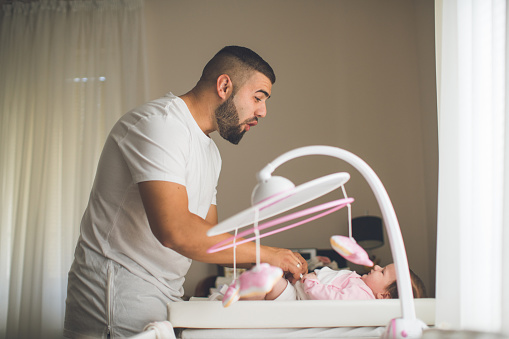
This portrayal really misses the mark.
Modern signs of strength
In my research for this blog I found a few advertising campaigns that seem to be backed by solid dad-research, such as Dove Men+Care’s “There to Care” campaign. Nick Soukas, Dove’s vice president for marketing said in a New York Times article, “Taking care of yourself and those around you is actually a sign of strength today. There are so many different types of guys providing care now.”
So true! I look forward to seeing how brands will embrace quality “dadvertising” in the next few years. But most of all, I hope they turn to quality marketing research to get to know Millennial dads. I promise it’s worth the time to find men like my husband to survey.