
Editor’s note: Ali Newton is the strategy and marketing manager for The Display Centre, a U.K.-based retail equipment company.
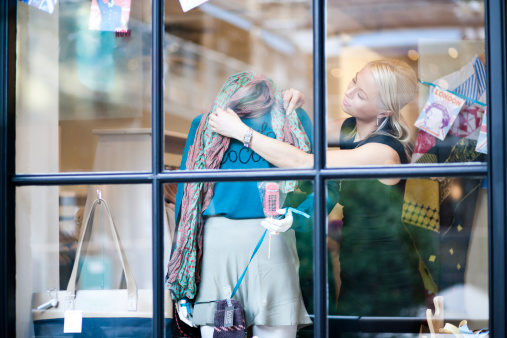
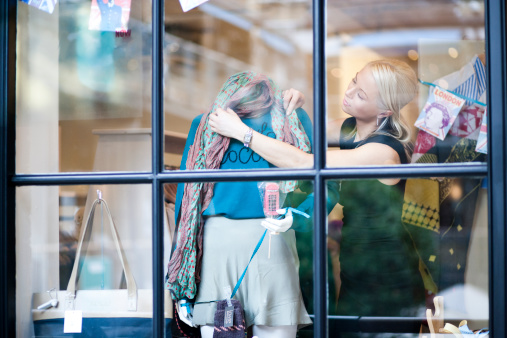
1. Creating window drama to entice customers: Window displays make a huge difference to retail sales because they are one of a fashion retailer’s biggest marketing tools. The average shop window has three to five seconds to catch the attention of passersby, before they will move onto something else. Consumers are drawn to interesting, dynamic window displays. This encourages shoppers to linger.
This is true for online retailers too. There’s a reason that home pages tend to favor using photographs of products on mannequins or live models. The fit and design of a piece of clothing can be better appreciated when it is shown to the best of its potential. Clothing is most dynamic and most attractive when it is being worn.
2. Taking the opportunity to improve the atmosphere of your shop: Experiential retail is a growing market. As consumers spend more money on experiences such as visiting the cinema, they tend to spend less money on retail. Consequently, retailers have begun trying to combat this by creating an immersive retail experience for their customers. Much of this immersion is created and heightened through an interesting shop atmosphere.
An engaging retail experience is reliant on a store’s music, staff, merchandise and shop fittings. Mannequins can make a big contribution to a shop’s atmosphere and help make a real statement. Edgier clothing shops may prefer to use a vintage-style wooden articulated mannequin, whereas a retailer displaying ball gowns may prefer a more classic style, or even a ghost mannequin, allowing attention to be drawn solely to the clothing.
3. Creating the whole look to increase customer add-on purchases: By dressing a form, retailers help customers imagine what the item might look like on them. In addition, these forms allow visual merchandisers to make outfit suggestions for their customers and increase the likelihood of upselling. Often, a particular item of clothing can catch a customer’s eye but the customer won’t be quite sure how to wear it. By offering examples of complementary items and accessories, retailers can encourage customers to purchase the whole look, rather than just the item.
4. Using mannequins to lead customers on a pathway around your store: In a physical store, it is important to lead customers around your store on as long a path as possible. By enticing customers to different areas of a shop, retailers can show more of their products and increase the chances of the customer finding something they like and making a sale. Mannequins can create focal points, particularly when several clusters can be seen as customers enter the store. These focal points are often used to attract customers to key anchors around the shop, such as a big brand stocked in a boutique or popular seasonal items.
This is relevant to online retailers, too. eCommerce Web sites rely heavily on photography and banner images to encourage customers to stay on their Web site and browse through their range. By creating attractive outfits on a ghost mannequin, online retailers can encourage customers to browse through particular product categories without the expense of hiring a model. This can be useful for brands with a limited budget who regularly update their stock and Web site.