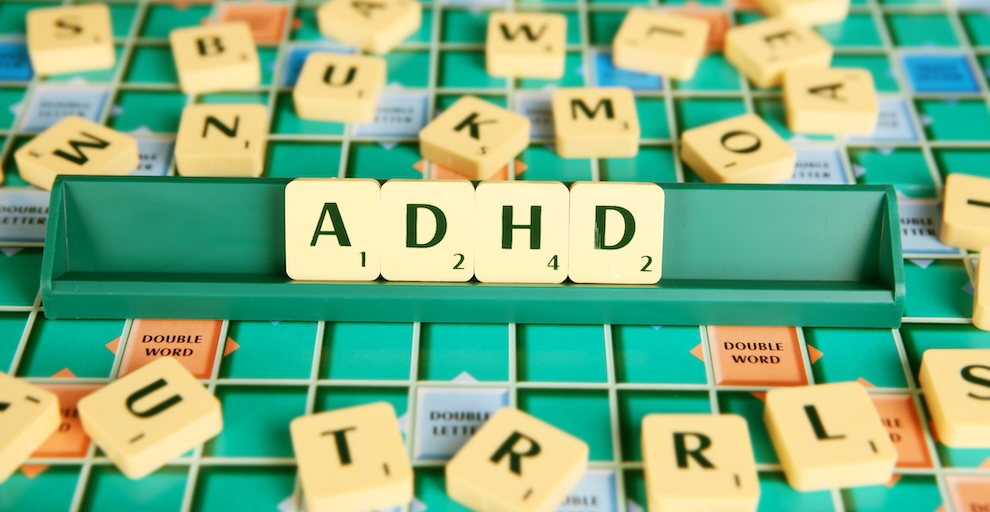
Designing with ADHD in mind is a win for all consumers
Editor’s note: Alex Holmes is the co-founder of Shape Insight. He has over 16 years of experience working with major brands across technology, FMCG, travel and hospitality sectors. A trained design thinker, Holmes creates award-winning methodologies to solve complex challenges. Find Holmes on LinkedIn.
Collectively, the research and marketing sector has overlooked the neurodivergent (ND) community.
This isn’t a bold claim. I conducted a quick scan of relevant insights media sources (ESOMAR, Archive of Market and Research, Marketing Week and Quirk’s Media) about this community, and found each included between three and five pieces of content.
This lack of interest is surprising, particularly in the U.S. where neurodiversity, specifically ADHD, is rising quickly.
It is estimated that between 15 and 20% of the global population is neurodivergent. Drilling down into ADHD, a recent survey by BBH USA found that 10% of adults identify with having ADHD. To contextualize these figures, BBH USA also found out that in the U.S. only:
- 9% identify with LGBTQ+.
- 7% are daily users of X.
- 5% are vegan or vegetarian.
If 1 in 10 adults identify with ADHD, brands are already serving this audience … they’re just not designing for them. And when brands fail to design intentionally, they unintentionally exclude.
Those who identify with having ADHD make up a large audience that brands should recognize as powerful consumers. BBH USA and Shape Insight conducted a mixed methodology approach specifically tailored to this audience, which looked to understand the ND community at large before zeroing in on ADHD.
Our approach aimed to:
- Help brands better understand and support those with ADHD – recognizing them as the powerful consumers they are.
- Disprove the many misconceptions held about this audience.
- Further empower the agencies/third sector that support them.
Best practice for ADHD is best practice for everyone
There was a wealth of insight coming out of this project – some more relevant to those working in insight, others in marketing or product design.
However, irrespective of the end client, there was a red thread that tied everything together: Best practice for ADHD is best practice for everyone.
In other words, we would treat these insights as springboards for improvements for those who are neurotypical.
Galvanizing our belief that this was a strong direction to go in, we’ve seen in other similar workstreams that reducing friction, rewarding consistency and providing reassurance aren't niche accommodations – they're the foundations of what makes any brand feel safe to return to, and ultimately builds loyalty.
So, let’s explore six key insights and critically examine the opportunities they could offer your brand.
The ultimate (but unexpected) brand loyalists
Insight 1: ADHD consumers are not unpredictable spenders. Once in love with a brand, they remain loyal. This is linked with their aversion to risk (and the potential disruption to their routines a new change can lead to). They also seek comfort and reassurance from brands they love.
Brand opportunity: Much has been spoken about declining loyalty to brands, specifically among younger cohorts. Perhaps this desire to switch is better explained by a brand's failure to provide comfort and reassurance to existing customers. For instance, 44% of Gen Z shoppers are convinced that product quality is getting worse, and the same proportion of consumers think customer service is going downhill.
Fold in the idea that shrinkflation leads many to think that quality ingredients are being swapped out for cheaper ones, or worse still, that the size of a beloved chocolate bar is getting smaller!
Brands should spend more time and effort reminding consumers of the quality of the products they already have instead of relentlessly focusing on innovation or product refreshes.
Convenience is the ultimate currency
Insight 2: Despite best efforts, many with ADHD struggle to keep track of time. Therefore, time becomes a scarce commodity.
Brand opportunity: Flip this idea on its head. This isn’t about losing time; this is about making things as efficient as possible. Look at your brand, product or service. Are there ways you can streamline the customer journey (whether in physical stores or online)? If you have a loyalty program, are there any ways you can allow people to feel like they’re progressing through the tiers so that it doesn’t feel like a waste of their time? Strip away the pain points and enhance the consumer experience. Perhaps there are ways for the shopping process to be automated via predictive ordering or automatic replenishment.
Use of classic scarcity marketing techniques leads to deep anxiety
Insight 3: Those with ADHD dislike the pressure that comes from marketing tricks that play on time or scarcity. In fact, this can lead to intense anxiety. They much prefer to be empowered to shop at their own pace and on their own terms.
Brand opportunity: Scarcity tactics have existed since ancient marketplaces, but in 2026 we should expect more inclusive approaches. Therefore, brands should reconsider marketing techniques that for some could trigger deep feelings of insecurity and anxiety, and for many others quietly erode trust. If we go back to the core idea of building consumer trust, removing these pressure tactics is a crucial first step.
Embrace color, pattern and detail to speak their visual language
Insight 4: While many brands and services lean into beige and minimalism as a way of communicating and selling their products – an attempt to appeal to the mainstream – these tactics can put off those with ADHD, as pattern, color and detail are how they navigate the world.
Brand opportunity: The idea of differentiation or distinctness appears to have been lost. The “sea of sameness” (or, in the automotive space, the “wind tunnel” effect) is in full force. If your brand truly wants to jump to its own beat and grab consumers' attention, consider how to apply color to your touchpoints. Ponder how a pattern can talk about your brand without having to lay your logo on every asset you create. Is there a way to use detail to speak to your brand essence?
Utilize ADHD creators to translate your proposition to better meet their needs
Insight 5: ADHD creators have a significant following. Turn to them to translate your proposition in a way that better connects with those who have ADHD.
Brand opportunity (ADHD translators): If you struggle to further develop your brand’s touchpoints, why not call on the help of specific ADHD creators to think about how to reposition your product? This links nicely to the thinking of Edward de Bono and his six thinking hats (IDEO frame) – a way to get corporate leaders to think about their products and services from different perspectives/contexts in order to further refine them.
They’re the ultimate user testers
Insight 6: Those with ADHD tend to be super critical as they research hard, judge fast and leave little room for error.
Brand opportunity: By ensuring your brand touchpoints meet the needs and behaviors of those with ADHD, this ultimately creates better touchpoints for all.
It’s time to embrace those with ADHD for everyone’s benefit
Looking ahead, it’s time for your brand to embrace those who identify with having ADHD. This not only ensures that your product or service better meets the needs of 10% of the U.S. population, but it’s also a surefire way to ensure it speaks to the entire population. Realistically, who wouldn’t want that.
Methodology note
The study was conducted in 2026 from January to March. The approach began with building a closed ND community. This was used as a steppingstone to further refine the approach and lines of questioning for 10 x ethnographic interviews (mix of online and face-to-face), plus a quantitative survey with n=500 people with ADHD and a nationally representative sample of n=1,500 to further validate findings. Final recommendations were also shared with Understood.org to sense check before publishing.