The value of participating in college traditions
Editor’s note: Alonzo Bailey is research manager, cultural insights and Lauren Goldberg is senior analyst, cultural insights at Collage Group. This is an edited version of an article titled “From Tailgates to TikTok: Unlocking Brand Lifetime Value with College Students and Fans.”
Every fall, America’s college campuses become cultural epicenters. What might look like a simple game day or reunion is, in fact, a deeply rooted economy of pride, belonging and identity. From fight songs echoing across stadiums to TikTok videos capturing tailgate antics, these rituals connect generations and power billion-dollar ecosystems of emotion and commerce.
For brands, this isn’t just a seasonal spectacle. It’s a year-round opportunity to participate in one of America’s most powerful cultural systems. According to Collage Group, 156 million Americans identify as collegians (students or alumni), forming a community where cultural engagement and brand loyalty intertwine.
From advertisers to game day participants
College game days extend far beyond the field. They spill into parking lots, dorm lounges and living rooms across the country, evolving into cultural rituals that travel wherever alumni and fans go. The University of Maryland’s annual “Maryland Day,” for example, attracts more than 80,000 attendees, while the University of Michigan’s 2024 football season generated $227 million in visitor spending.
The emotional stakes are equally profound. At Virginia Tech, 66,000 fans jumping to “Enter Sandman” registered on local seismographs – a literal measure of collective energy. For brands like ESPN and Home Depot, these are not sponsorship moments but opportunities to become woven into the cultural fabric of game day pride.
Takeaway: College game days function as living carnivals of belonging. For brands, showing up authentically in these spaces transforms them from advertisers into cultural participants.
HBCU homecomings: Where culture and community meet
If college game days are carnivals, HBCU homecomings are family reunions on a national scale. Every fall, campuses like Howard, Florida A&M and North Carolina A&T – home to the “Greatest homecoming on earth” (#GHOE) – turn into vibrant hubs of culture and community. In 2024, North Carolina A&T drew over 131,000 attendees and generated $44 million in local economic impact.
But numbers tell only part of the story. HBCU homecomings celebrate heritage, elevate Black excellence and connect students to alumni and professionals across industries. They are critical moments of inspiration and mentorship for Black students pursuing careers where they remain underrepresented, such as medicine, media and engineering.
Fashion, music and food all take center stage. As Essence author Bridgette Bartlett Royall described it, these celebrations embody “unequivocal style.” Successful brands meet this moment not through sponsorship alone but through cultural amplification. The McDonald’s national campaign honoring Shaw University’s marching band achieved 85% “memory” scores among Black Americans, while Toyota’s HBCU NY Classic connected legacy with opportunity, strengthening brand trust among Black audiences.
Takeaway: For brands, HBCU homecomings demand reverence, humility and creativity. Those who authentically amplify culture become trusted allies rather than passive observers.
Sorority rush, dorm life and tailgates as symbols of belonging
College culture thrives in the everyday rituals that define belonging. Sorority rush, for example, is a performance of identity signaling – from outfit choices to the snacks served at bid parties. Products displayed in these spaces become symbols of inclusion and aspiration, influencing brand affinity well beyond campus.
Dorm life reflects the same phenomenon. Students curate their rooms as expressions of individuality and community, choosing snacks, posters and décor that communicate who they are and what they value. These choices often become lifelong habits.
Tailgates, too, are cultural microcosms where fans transform parking lots into temporary villages. Jersey Mike’s “Tailgate Tour” tapped into this dynamic by offering food, charging stations and social content, converting game day excitement into enduring customer loyalty.
Takeaway: Whether in dorms, at sorority houses or in stadium parking lots, college rituals are acts of self-expression. Brands that integrate seamlessly into these moments earn not just visibility but emotional relevance.
How college traditions lead to intergenerational rituals
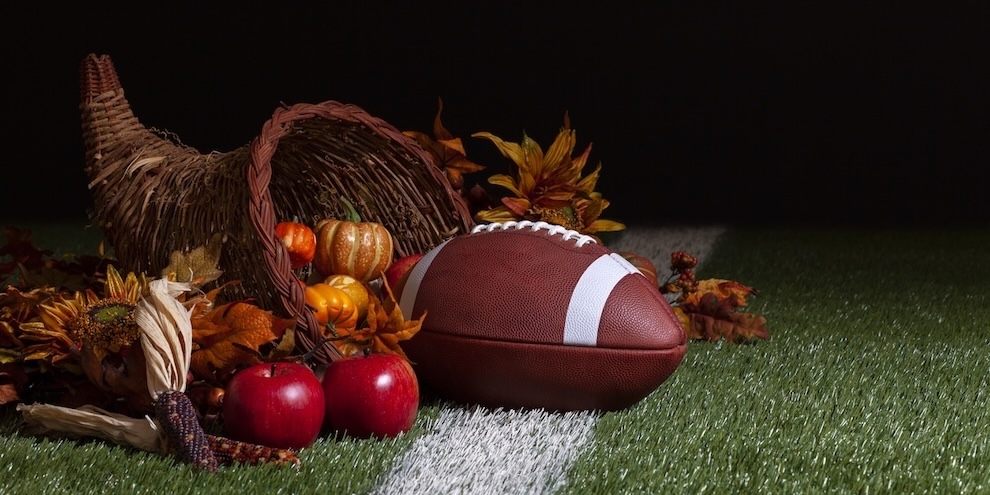
College sports run parallel to America’s holiday traditions. Labor Day signals the start of football season, while Thanksgiving brings rivalry games that unite families across generations. Bowl season turns the winter holidays into spectacles of shared pride.
For multicultural families, these events are more than sports – they are intergenerational rituals. Collage Group data show that 67% of Black parents and 72% of Hispanic parents use holidays and special occasions to pass down traditions. Football becomes the backdrop for that transmission, blending school spirit with family identity.
When brands engage these moments with humor, nostalgia and respect, they can become part of the folklore. Pop-Tarts’ edible mascot stunt went viral at its namesake bowl game, proving that lighthearted creativity can resonate deeply when anchored in shared tradition.
Takeaway: Rivalries and holidays turn sports into sacred time. Brands that align with these emotional peaks extend their relevance long after the final whistle.
The brand playbook: Emphasizing cultural participation, not promotion
College football, sorority rush and homecoming aren’t extracurricular activities. They are central rituals of American identity that merge pride, culture and commerce. By participating authentically in these moments, brands can transform short-term fan engagement into decades of consumer trust.
To succeed in college culture, brands must move beyond transactional marketing. These are not advertising slots; they are entry points into generational identity systems. In college culture, authenticity is currency. The brands that win don’t just appear – they contribute, support and celebrate.
For insights professionals and marketers, the essential question becomes: How is your brand showing up in the rituals that define the college experience?