The cultural currency of nostalgia
Editor’s note: Tom Ellis is CEO at Brand Genetics, and Liz Thompson is head of Brand Genetics North Americas
Nostalgia is dominating the marketing industry. From the Oasis reunion to “Stranger Things,” from “Make America Great Again” to the return of Smirnoff Ice, culture is in full throwback mode. What’s striking isn’t just the presence of nostalgia, but its scale. Gen Z and Millennials are embracing eras they never lived through, turning secondhand memories into cultural currency.
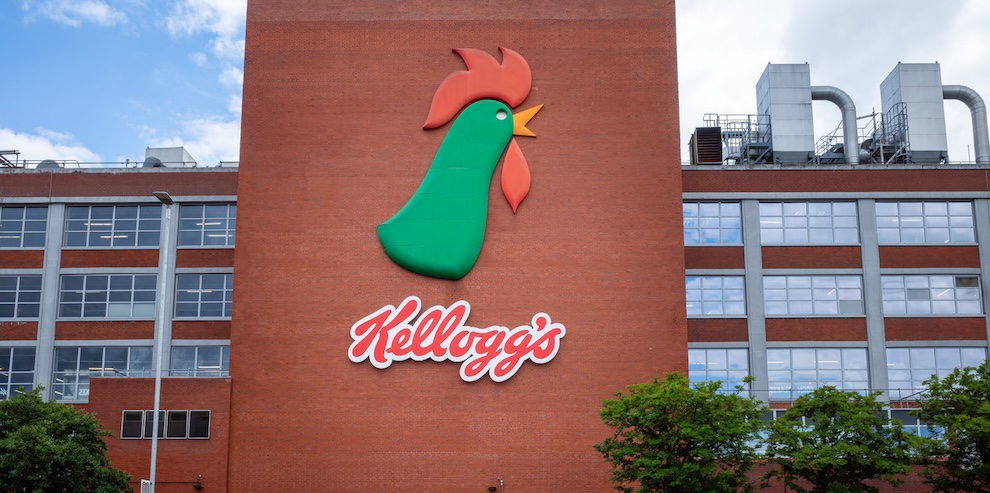
For the world's most recognized brands, nostalgia has become more than a nod to the past; it’s a strategic tool for emotional relevance. Hellman’s 2025 Super Bowl ad, “When Sally Met Hellman’s,” riffed on the 1990s classic “When Harry Met Sally.” Kellogg’s revived its iconic rooster, and Pepsi’s 2023 rebrand leaned heavily into its 1987-1997 design, tapping into 1990s nostalgia among younger drinkers.
Nostalgia and consumers: The psychology behind the trend
Defined as a sentimental longing for the past, nostalgia offers a powerful emotional hook. It builds a sense of self-continuity, connecting past and present, and provides comfort during uncertain times. In today’s climate of political unrest, economic instability and rising loneliness, nostalgia acts as a psychological anchor.
Restoring a sense of security and belonging, nostalgia makes brands feel familiar and trustworthy. This is why top brands like Coca Cola, Cadbury and McDonald’s are succeeding while other brands still haven’t grasped the concept. Research from Kantar shows that 92% of people find nostalgic ads more relatable, yet only 3% of ads use nostalgia.
Emotional resonance drives engagement. The brands that evoke nostalgia are selling more than just products; they offer comfort, connection and continuity during periods of unrest. These feelings translate into loyalty and deeper consumer relationships, going beyond the idea of companies providing for simple needs and wants.
Why now? Nostalgia fueled by modern tech
The current “polycrisis” (a convergence of global stressors) has made the present feel unstable. In response, consumers are turning to the past for reassurance. Digital platforms make this easier than ever as entire eras of content are available at the touch of a button. Gen Z is discovering “Friends,” “Pearl Jam” and flip phones, embracing borrowed nostalgia from their older peers who grew up in the 1990s.
TikTok trends, vintage fashion and retro tech are all part of this revival. Sensory cues such as taste and smell can also play a key role. For food and beverage brands, these cues are especially potent, triggering emotional memories and immersing consumers
in a rich, nostalgic experience. For example, Pizza Hut launched an AR Pac-Man game on its boxes, blending 1980s nostalgia with modern tech. The result? Strong online engagement and an 8% increase in same-store sales.
The behavioral science of nostalgia
To understand how nostalgia drives consumer behavior, we can break it down into three core elements: drivers, enablers and abilities.
Drivers (emotional motivations)
Nostalgia is deeply social. It evokes shared memories, fulfilling the human need for connection. It also reinforces identity, helping people feel grounded in who they are. In stressful times, nostalgia offers a safe emotional retreat, making brands that evoke it feel like trusted companions.
Enablers (contextual facilitators)
The digital age has made nostalgia more accessible. Streaming platforms, social media and online archives allow younger generations to explore past decades with ease. Real-world cues, like familiar packaging or flavors, enhance this effect. Brands can leverage these cues to evoke strong emotional responses and create memorable experiences.
Abilities (what nostalgia enables)
Nostalgia makes buyers more open to change, more social and more willing to spend. Psychologically, the same brain regions that recall the past also imagine the future, so nostalgia fosters optimism. This makes consumers more receptive to new products or behaviors.
How brands should utilize nostalgia in messaging
To use nostalgia effectively, marketers should anchor their messaging to what is truly remembered, blending the old and new (“newstalgia”), to trigger multisensory memory flashes. Make it engaging for the current generation of buyers by creating shareable and social content. Take advantage of the fact that using nostalgia and scarcity can justify a premium and play with emotion by linking to comfort‑seeking moments. Nostalgia can be a commercial shortcut to greater relevance, enhanced loyalty and a price premium – but only if it is authentic, refreshed and social.
It's time to move forward with nostalgia
When used correctly, nostalgia grants the secret ability to make a brand unforgettable. Remember when nostalgia was just a feeling? Now it’s the future of brand storytelling.
If marketers play it right – authentic, refreshed and social – they won’t just drive relevance and loyalty, they’ll drive sales. In fact, they might soon be nostalgic for the days before nostalgia made their campaigns wildly successful!
So go ahead, dust off the archives, remix the classics and give your audience something worth remembering … again.